Documented visual directory

Greek Gods and Goddesses

Browse 29 Greek divine figures from cosmic origins to Olympus. Each profile pairs a Greek name with its closest Roman equivalent, then separates relationships drawn in the atlas from the wider and sometimes conflicting ancient traditions.

How the pantheon fits together

Names, powers, generations, and family lines.

Greek mythology is easier to understand when a list becomes a sequence. Primordial beings give form to the cosmos; Titans create an earlier divine order; Olympians inherit and reorganize power; other gods rule essential spaces that no list of twelve can contain. The guide below gives each layer enough context before the individual profile directory.

01 · Cosmic origins

Primordial gods and the shape of the world

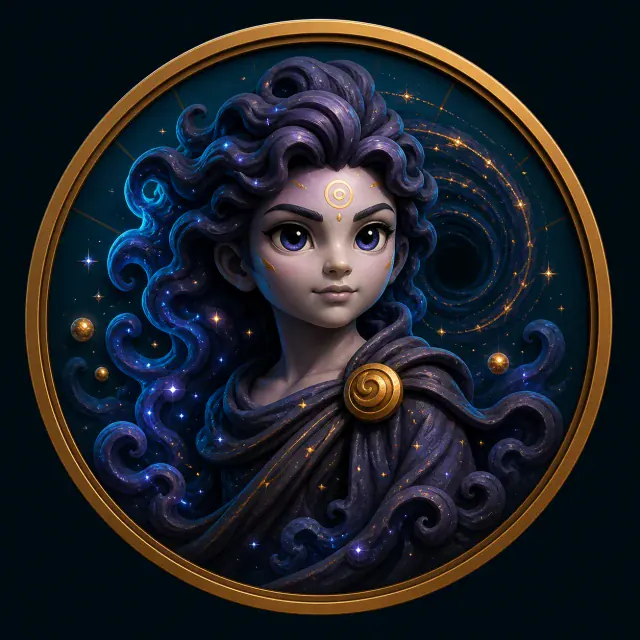
The earliest Greek divine figures are not a court of human-shaped rulers. Chaos is a gap or yawning origin; Gaia is Earth; Nyx is Night; Erebus is deep Darkness; Tartarus is both abyss and active primordial power. Uranus and Pontus make sky and sea genealogical, allowing poets to explain the ordered cosmos through birth, union, conflict, and separation.

A primordial family tree therefore works differently from an Olympian pedigree. Some beings emerge without two parents, and a place can also act as a person. MythBranch keeps those tensions visible instead of turning every origin into a modern nuclear family. Start with Chaos and Gaia, then follow Uranus into the Titan generation to see how cosmogony becomes succession.

02 · The first divine order

Titans before the reign of Zeus

The twelve standard Titans in Hesiodic genealogy are Oceanus, Coeus, Crius, Hyperion, Iapetus, Cronus, Theia, Rhea, Themis, Mnemosyne, Phoebe, and Tethys. They are children of Gaia and Uranus, but they do not form a uniform army of villains. Their identities include world river, heavenly light, memory, lawful order, parenthood, and royal succession.

Cronus's overthrow of Uranus and Zeus's overthrow of Cronus create the mythic spine of the familiar family tree. Yet several Titans remain integrated into the Olympian world: Themis advises Zeus, Mnemosyne becomes mother of the Muses, and Oceanus can stand outside the central revolt. Use the generation as a family category, not a moral species.

03 · The Olympian order

The Twelve Olympians and their family connections

This directory uses a common roster of Zeus, Hera, Poseidon, Demeter, Athena, Apollo, Artemis, Ares, Aphrodite, Hephaestus, Hermes, and Dionysus. Another established list includes Hestia instead of Dionysus. Hades is a brother of Zeus and part of the same ruling generation, but he governs the underworld and is usually not counted among the twelve residents of Olympus.

Domains overlap rather than behaving like modern departments. Apollo heals and sends plague. Artemis protects young life and brings sudden death. Athena joins craft to strategy; Ares embodies battle's immediate force. Aphrodite's parentage changes between Hesiod and Homer. The individual profiles connect those complexities to ancient sources and select works in which each god is a central character.

04 · Beyond a list of twelve

Underworld gods, household gods, and wider Greek divinity

Greek religion was never limited to twelve famous names. Hestia's hearth stands at the center of household and civic ritual; Hades and Persephone rule below; river gods, nymphs, personified powers, local protectors, and heroic recipients of cult fill the landscape. A god can be essential without occupying a permanent seat in a modern Olympian chart.

Roman names provide a useful cross-cultural index—Zeus and Jupiter, Hera and Juno, Poseidon and Neptune—but they are closest equivalents, not exact translations. Roman gods developed their own festivals, priesthoods, civic roles, and stories. Every profile displays the familiar Roman name while keeping the Greek figure's source tradition primary.
29 linked profiles

Browse every god currently mapped

Cards are grouped in atlas order. Each profile documents family relationships, ancient evidence, selected works in which the figure has a principal role, and direct source links.

Primordial · Chaos

Chaos

The first void · Abyss

The yawning origin from which the earliest cosmic beings emerged.

Chaos Family Tree →
Primordial · Terra

Gaia

Earth · Fruit and soil

The living Earth and mother of the sky, Titans, Giants, and many monsters.

Gaia Family Tree →
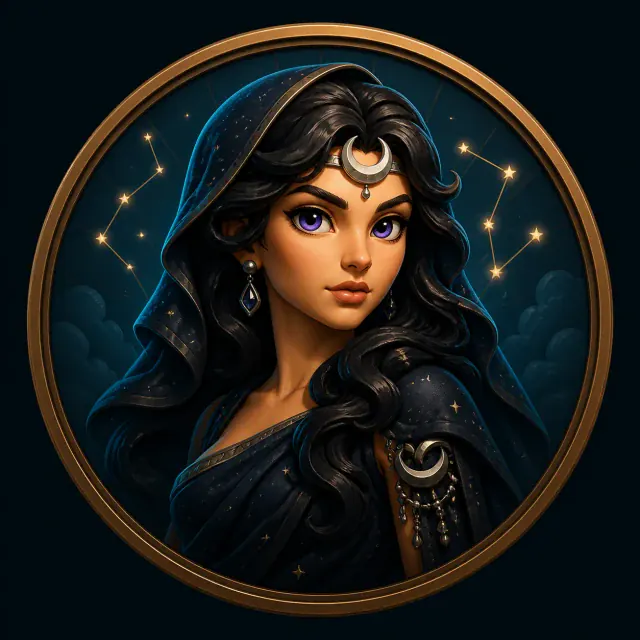
Primordial · Nox

Nyx

Night · Dark veil

The formidable personification of night, older than the Olympian order.

Nyx Family Tree →
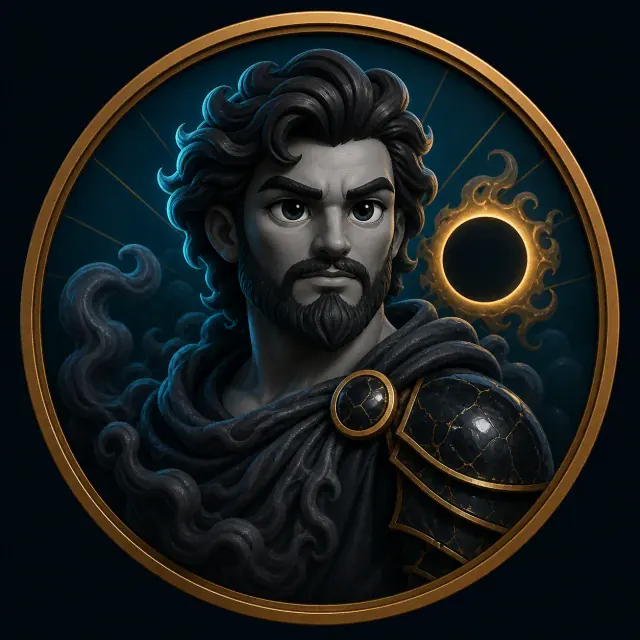
Primordial · Erebus

Erebus

Darkness · Shadow

The deep darkness associated with the space beneath the world.

Erebus Family Tree →
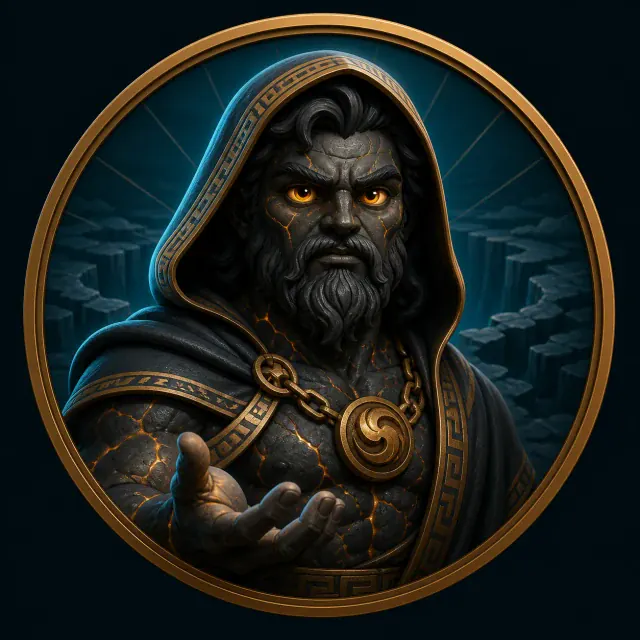
Primordial · Tartarus

Tartarus

The abyss · Pit

Both a primordial being and the deepest region of the cosmos.

Tartarus Family Tree →
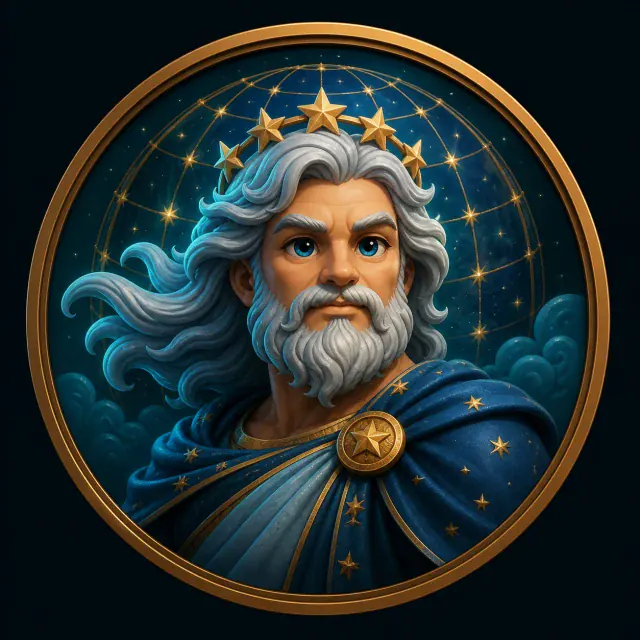
Primordial · Caelus

Uranus

Sky · Star vault

The starry sky born from Gaia and father of the first Titan generation.

Uranus Family Tree →
Primordial · Pontus

Pontus

Sea · Wave

The primordial sea, distinct from the later Olympian Poseidon.

Pontus Family Tree →
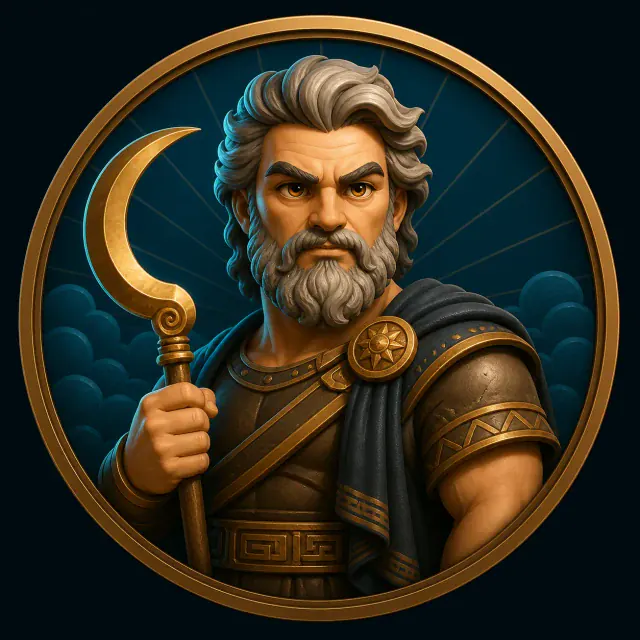
Titan · Saturn

Cronus

Titan kingship · Sickle

Youngest Titan and ruler before Zeus overthrew the old order.

Cronus Family Tree →
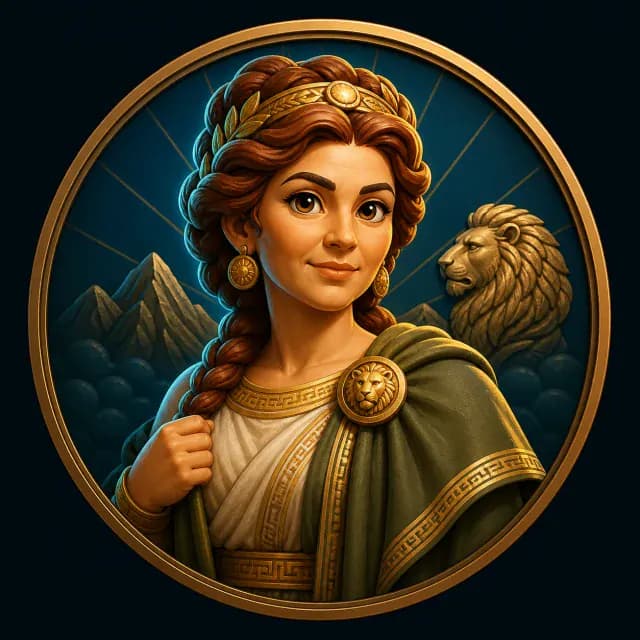
Titan · Ops

Rhea

Motherhood · Lion

Titan mother of the first Olympian siblings and protector of infant Zeus.

Rhea Family Tree →
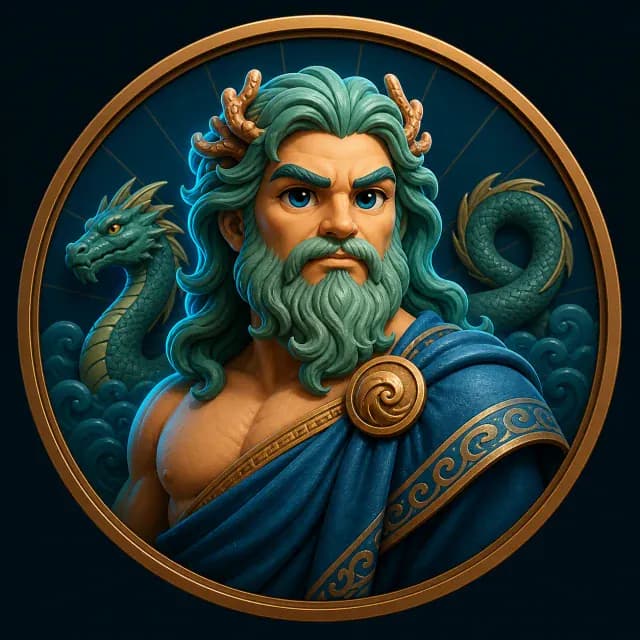
Titan · Oceanus

Oceanus

World river · Serpent

The cosmic river believed to encircle the inhabited world.

Oceanus Family Tree →
Titan · Hyperion

Hyperion

Heavenly light · Sun disk

Titan associated with heavenly light and father of Helios, Selene, and Eos.

Hyperion Family Tree →
Titan · Polus

Coeus

Inquiry · Axis

Titan linked in later interpretation with intellect and the celestial axis.

Coeus Family Tree →
Titan · Justitia

Themis

Divine law · Scales

Titaness of divine order, custom, and the lawful structure of the cosmos.

Themis Family Tree →
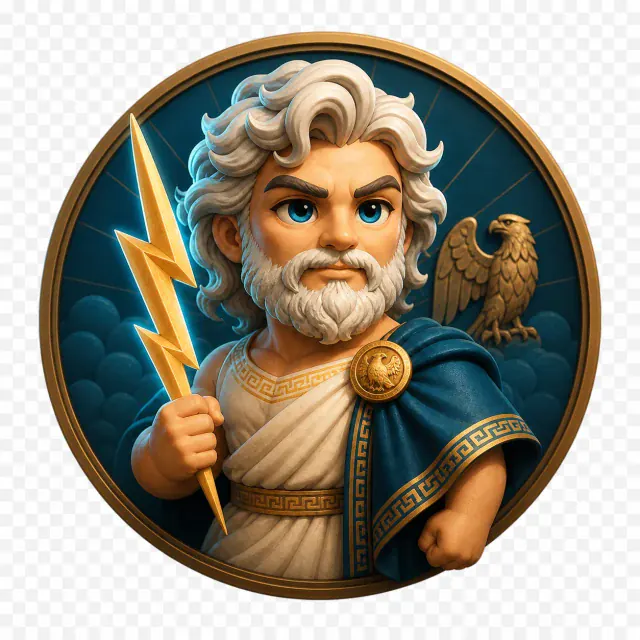
Olympian · Jupiter

Zeus

Sky and thunder · Thunderbolt

King of the Olympian gods, son of Cronus and Rhea.

Zeus Family Tree →
Olympian · Juno

Hera

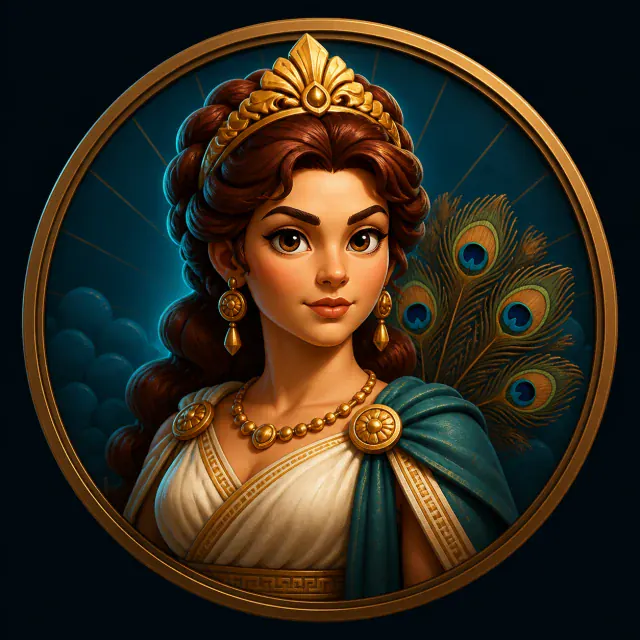
Marriage and queenship · Peacock

Queen of the gods and guardian of marriage and royal legitimacy.

Hera Family Tree →
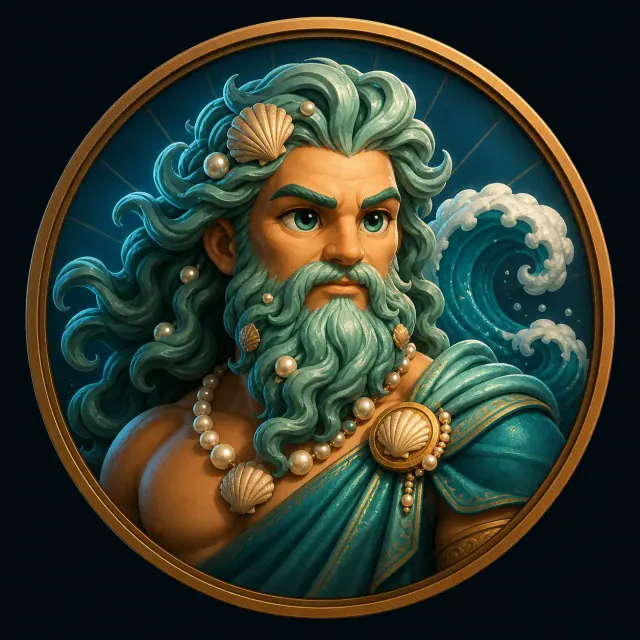
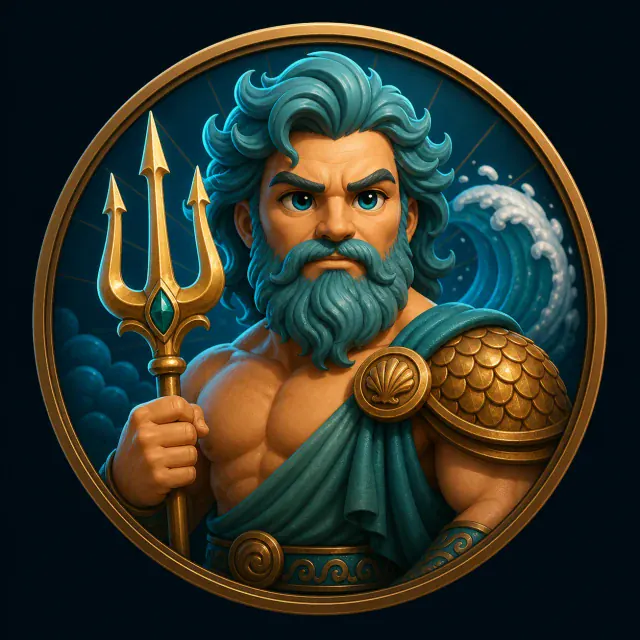
Olympian · Neptune

Poseidon

Sea and earthquakes · Trident

Brother of Zeus and ruler of the sea, horses, and earthquakes.

Poseidon Family Tree →
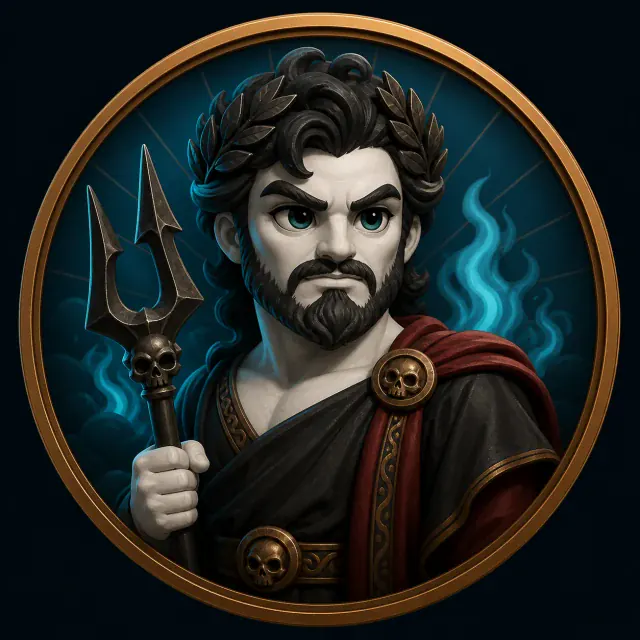
Deity · Pluto

Hades

Underworld · Bident

Brother of Zeus and sovereign of the dead; usually not counted among the Twelve Olympians.

Hades Family Tree →
Olympian · Ceres

Demeter

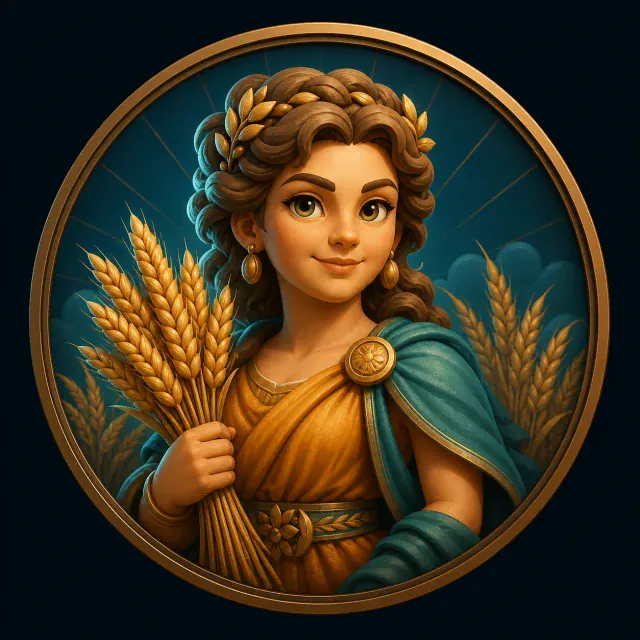
Harvest · Wheat

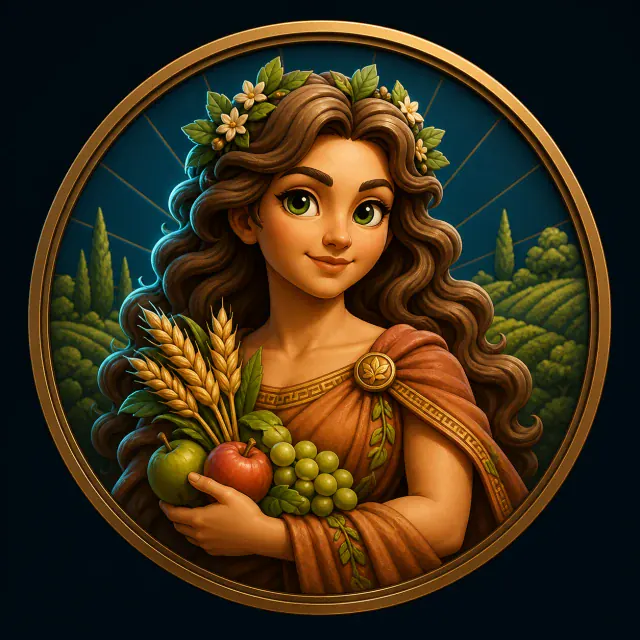
Goddess of grain, agriculture, and the seasonal cycle.

Demeter Family Tree →
Deity · Vesta

Hestia

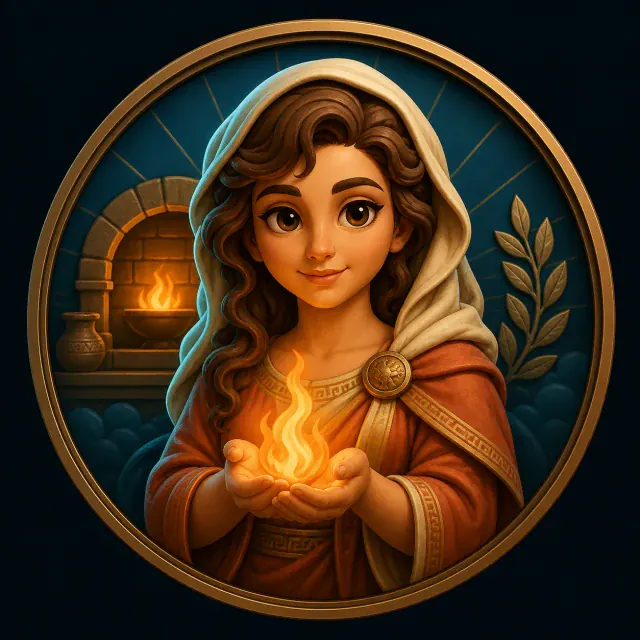
Hearth and home · Flame

Goddess of the hearth, included among the Twelve in traditions that omit Dionysus.

Hestia Family Tree →
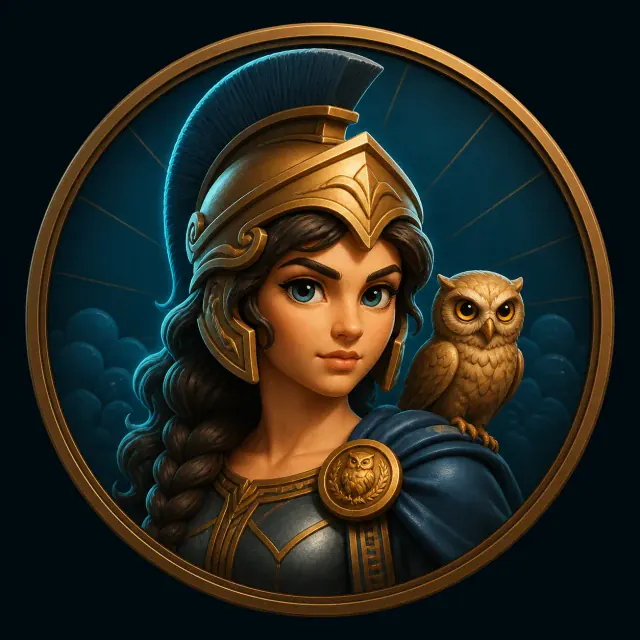
Olympian · Minerva

Athena

Wisdom and strategy · Owl

Goddess of wisdom, crafts, and strategic warfare, born from Zeus.

Athena Family Tree →
Olympian · Apollo

Apollo

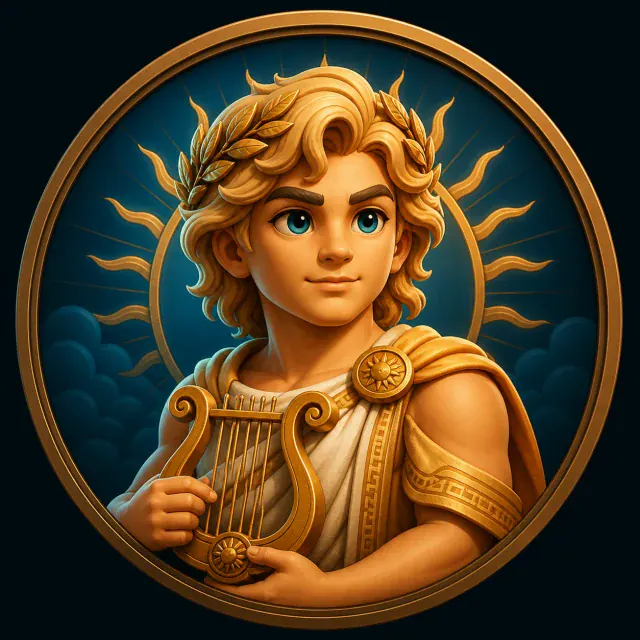
Prophecy and music · Lyre

God of prophecy, music, healing, archery, and ordered light.

Apollo Family Tree →
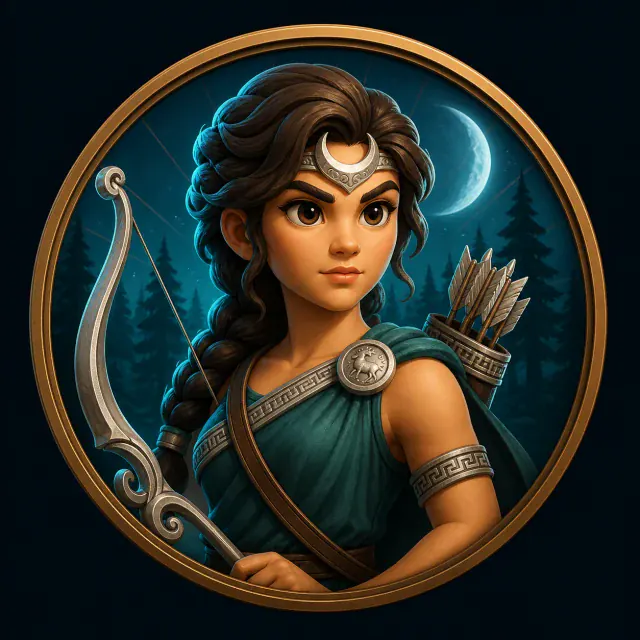
Olympian · Diana

Artemis

Hunt and wilderness · Bow

Goddess of the hunt, wild animals, and the protection of young life.

Artemis Family Tree →
Olympian · Mars

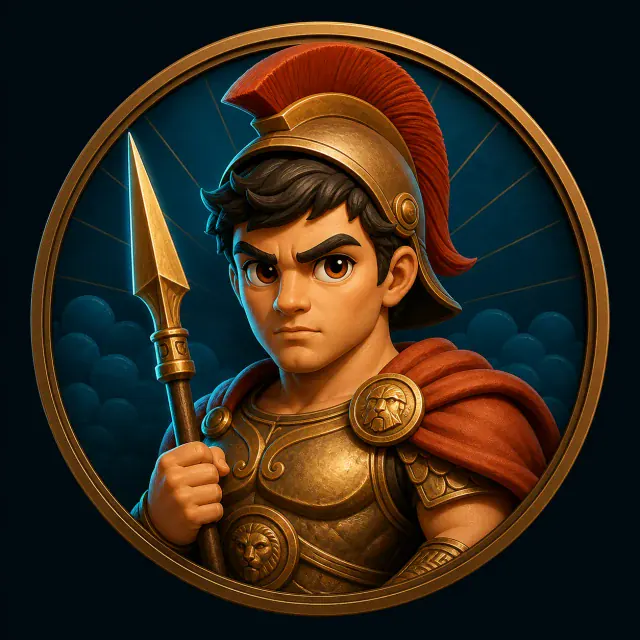
Ares

War · Spear

God of the violent and immediate force of battle.

Ares Family Tree →
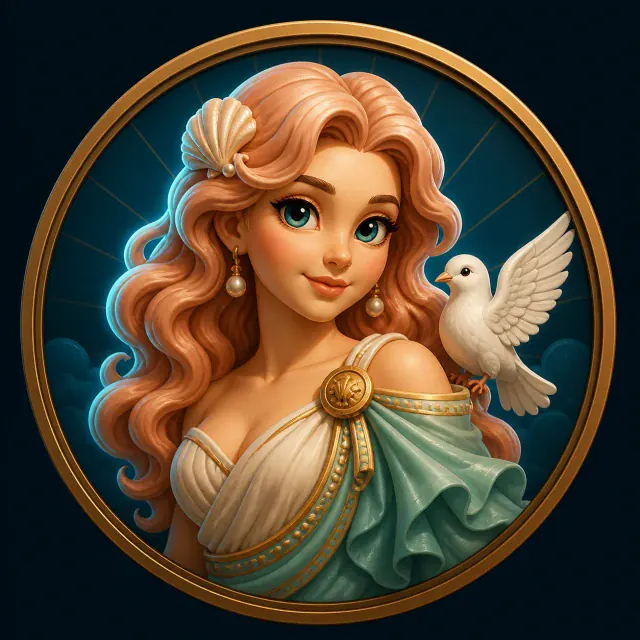
Olympian · Venus

Aphrodite

Love and beauty · Dove

Goddess of desire and beauty, with two major ancient birth traditions.

Aphrodite Family Tree →
Olympian · Vulcan

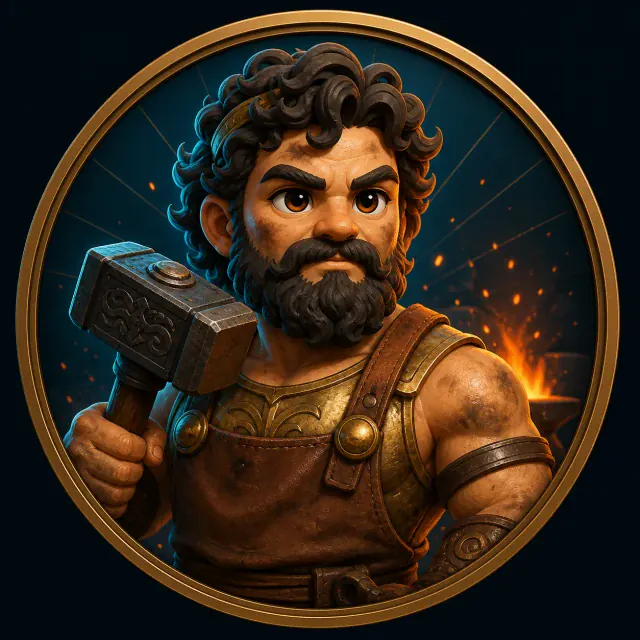
Hephaestus

Fire and craft · Hammer

Divine smith who forged weapons, armor, and marvelous automata for the gods.

Hephaestus Family Tree →
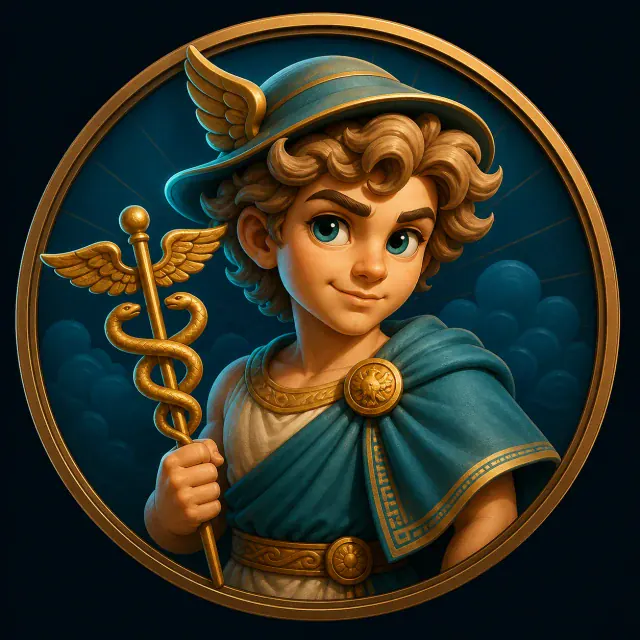
Olympian · Mercury

Hermes

Travel and messages · Caduceus

Messenger who crosses boundaries between Olympus, earth, and the Underworld.

Hermes Family Tree →
Olympian · Bacchus

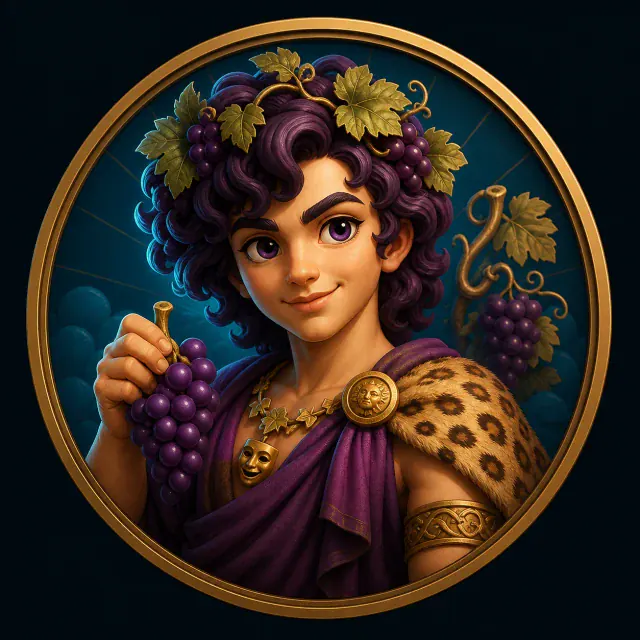
Dionysus

Wine and theatre · Grapevine

God of wine, ecstatic ritual, transformation, and theatre.

Dionysus Family Tree →
Deity · Proserpina

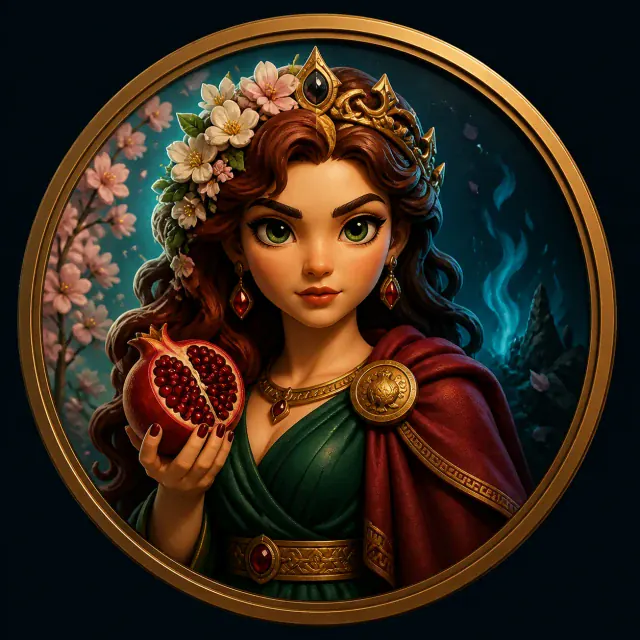
Persephone

Spring and Underworld · Pomegranate

Daughter of Demeter and queen beside Hades in the Underworld.

Persephone Family Tree →

8 heroic-age profiles

Heroes and the families that shape their stories

Heroic genealogies connect mortal households to divine ancestry, city identity, war, and return. Odysseus and Telemachus now form a directly linked Ithacan branch, while encounter lines remain distinct from blood relationships.

Hero · Hercules

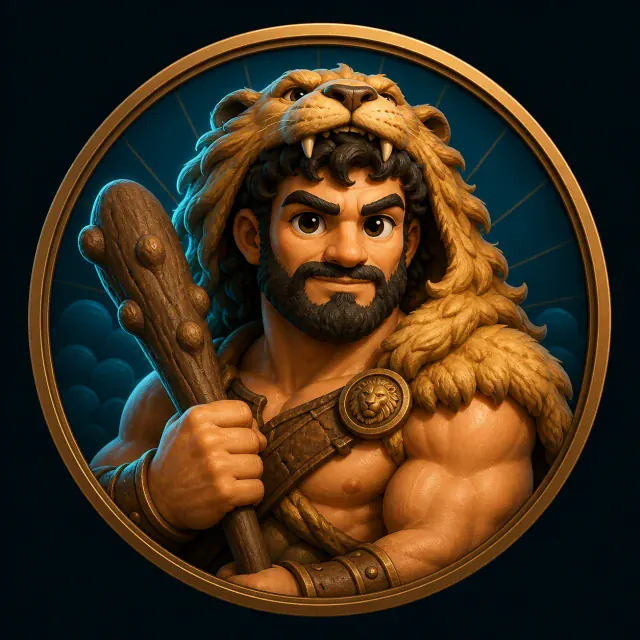
Heracles

Strength and labors · Lion skin

Son of Zeus whose Twelve Labors transformed suffering into immortality.

Heracles Family Tree →
Hero · Perseus

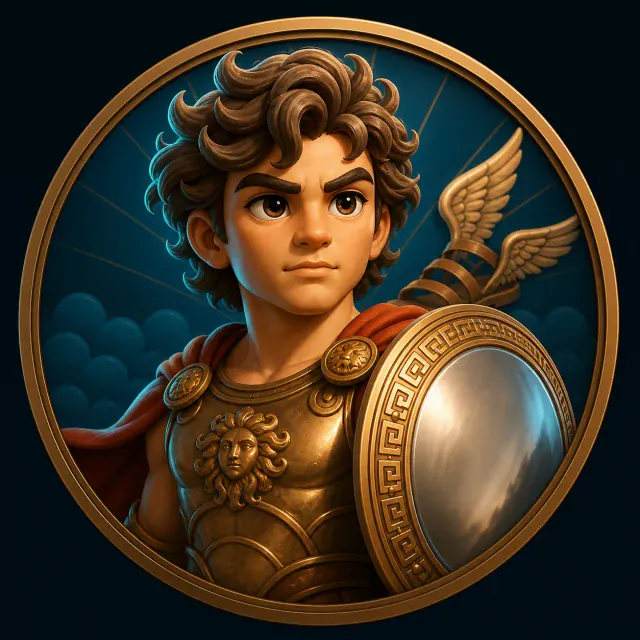
Perseus

Monster slayer · Reflective shield

Son of Zeus who beheaded Medusa and rescued Andromeda.

Perseus Family Tree →
Hero · Theseus

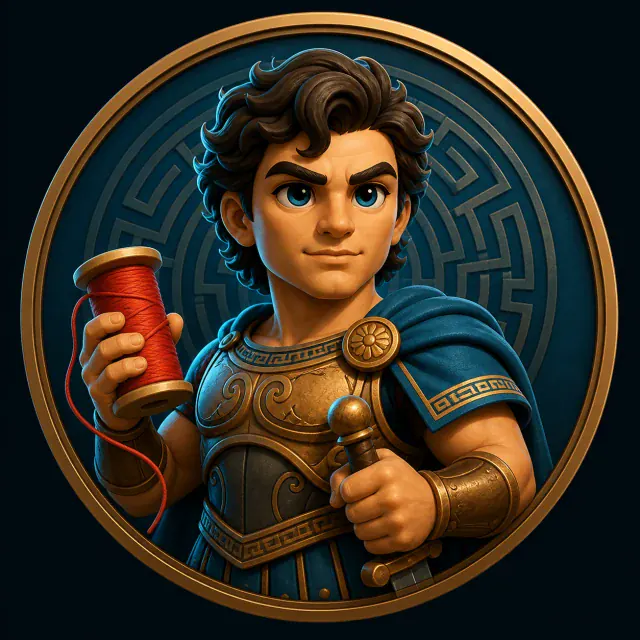
Theseus

Athenian kingship · Thread

Hero of Athens who entered the Labyrinth and defeated the Minotaur.

Theseus Family Tree →
Hero · Achilles

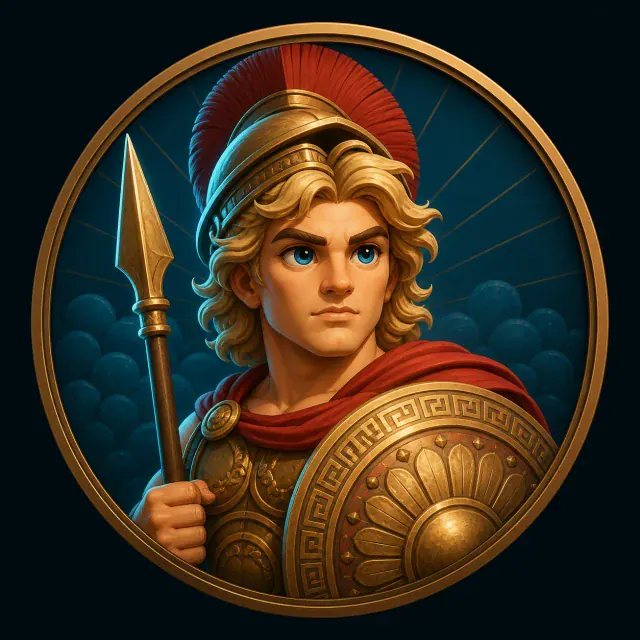
Achilles

Warrior excellence · Shield

The greatest Greek warrior in the Iliad, defined by glory, grief, and mortality.

Achilles Family Tree →
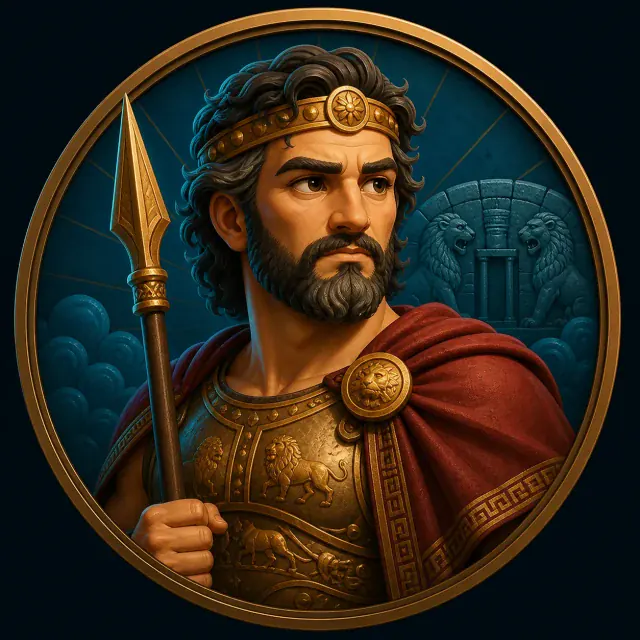
Hero · Agamemnon

Agamemnon

Kingship and command · Royal sceptre

King of Mycenae and commander at Troy whose victorious return becomes a tragedy of power, sacrifice, and revenge.

Agamemnon Family Tree →
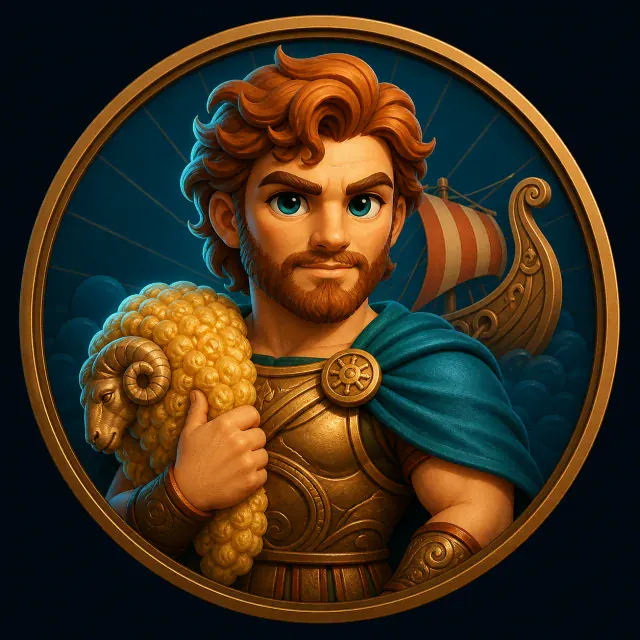
Hero · Jason

Jason

The Golden Fleece · Argo

Leader of the Argonauts on the quest for the Golden Fleece.

Jason Family Tree →

5 monster profiles

Monsters, guardians, and mythic encounters

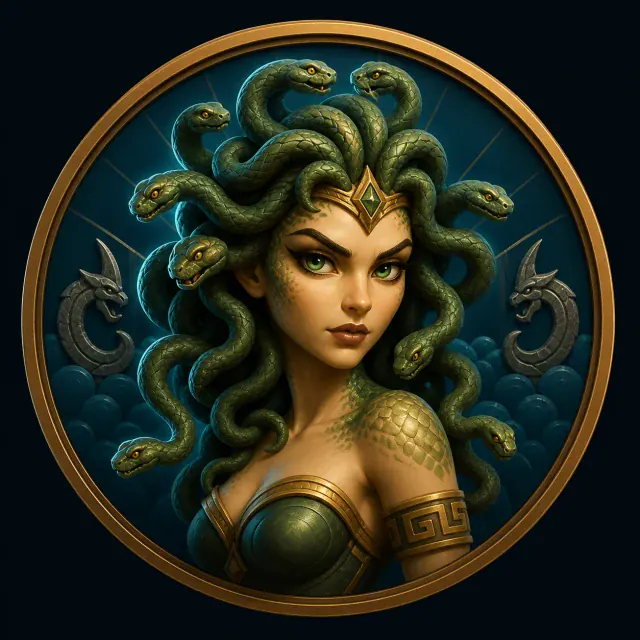
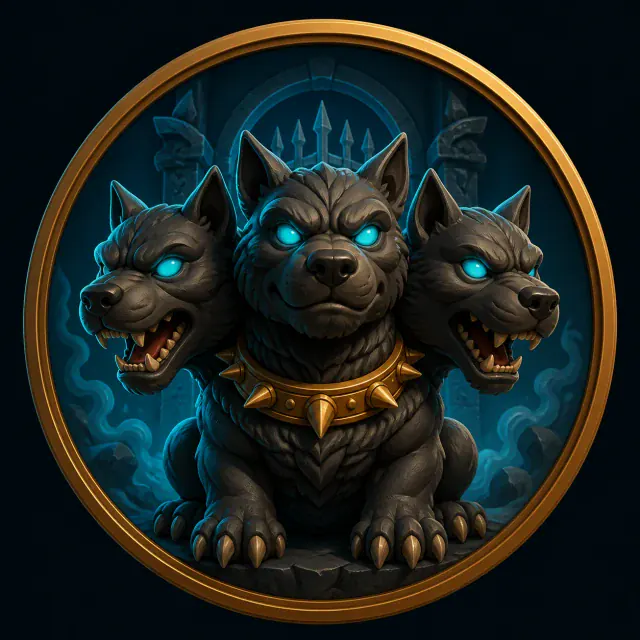
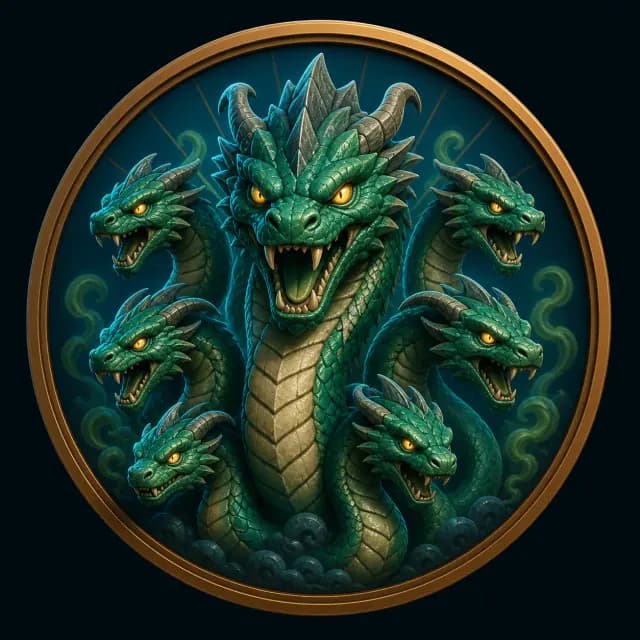
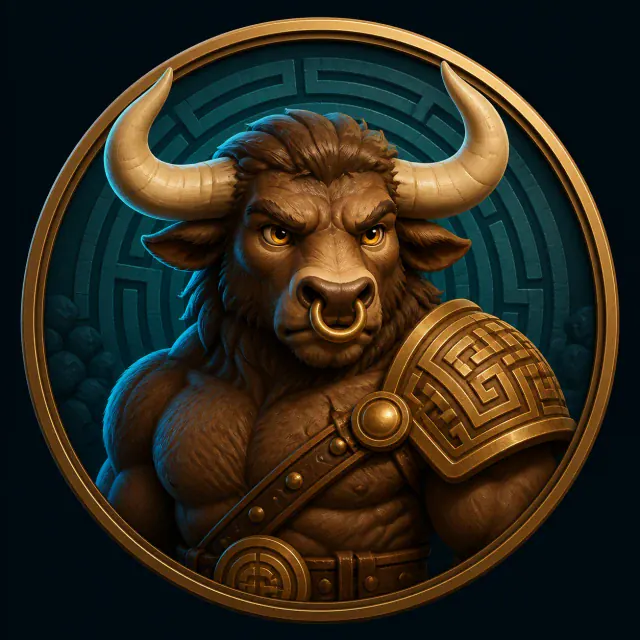
These figures are not interchangeable obstacles. Each belongs to a particular place and story: Medusa to the Gorgon tradition, the Hydra and Cerberus to the Labors of Heracles, the Minotaur to the Cretan Labyrinth, and Polyphemus to Odysseus's voyage. Encounter lines record narrative conflict without inventing a family relationship.

Monster · Medusa

Medusa

Petrifying gaze · Snakes

The mortal Gorgon whose gaze turned viewers to stone.

Medusa Family Tree →
Monster · Cerberus

Cerberus

Underworld gate · Three heads

The many-headed hound guarding the entrance to Hades.

Cerberus Family Tree →
Monster · Hydra

Lernaean Hydra

Regenerating venom · Many heads

Serpentine monster defeated during the second Labor of Heracles.

Lernaean Hydra Family Tree →
Monster · Minotaur

Minotaur

The Labyrinth · Bull horns

Bull-headed inhabitant of the Cretan Labyrinth defeated by Theseus.

Minotaur Family Tree →
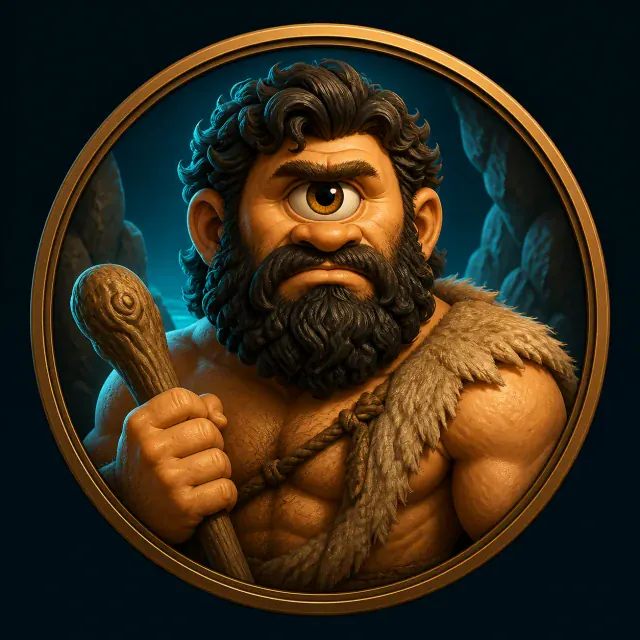
Monster · Polyphemus

Polyphemus

One-eyed giant · Single eye

An individual Cyclops outwitted by Odysseus, distinct from Hesiod's three Elder Cyclopes.

Polyphemus Family Tree →

Directory FAQ

How to compare Greek gods

How many Greek gods were there?

Ancient Greek traditions recognized far more than twelve gods: major Olympians, Primordials, Titans, river gods, nymphs, personified powers, local deities, and other immortal beings.

Who are the most important Greek gods?

Importance depends on place, period, and ritual. The Twelve Olympians are the best-known group, but Demeter at Eleusis, Hestia at the hearth, Hades and Persephone below, and many local gods could be equally consequential.

Are Roman gods the same as Greek gods?

Roman culture identified many gods with Greek counterparts, but Jupiter, Juno, Mars, Venus, and others retained distinct Roman civic and ritual histories.

Is there one correct Greek gods family tree?

No. Ancient poets, cities, cults, and mythographers preserve alternate births and relationships. A useful chart must name its sources and make omissions visible.

Back to the Greek Mythology Family Tree