The divine order before Zeus
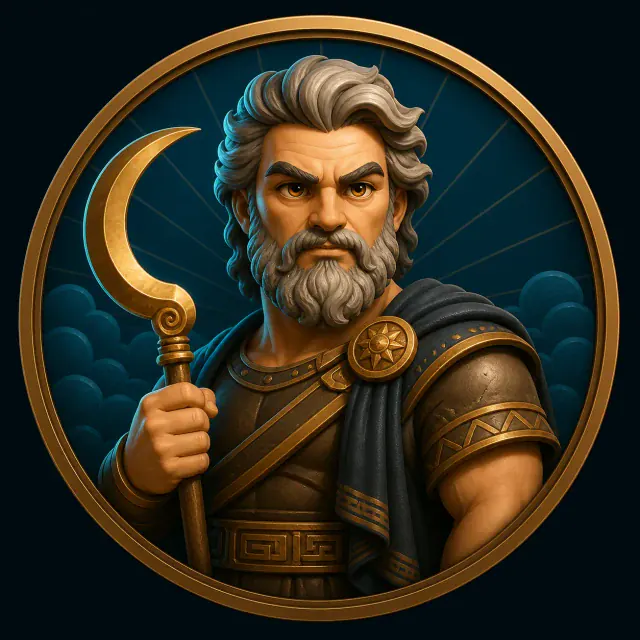
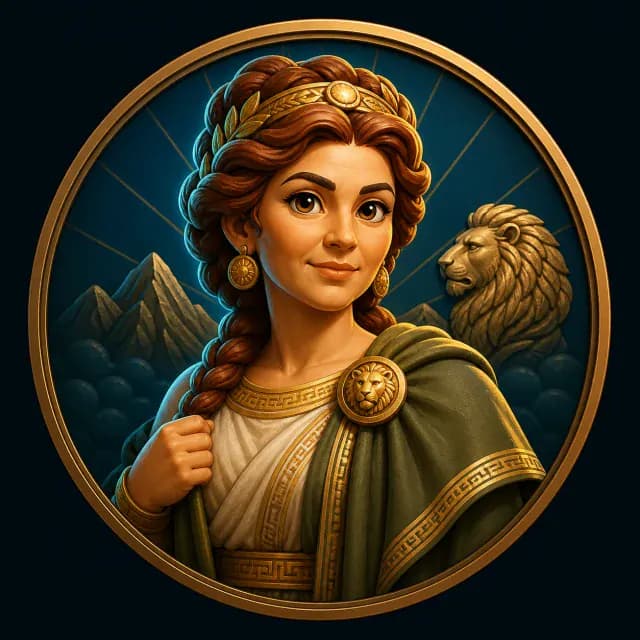
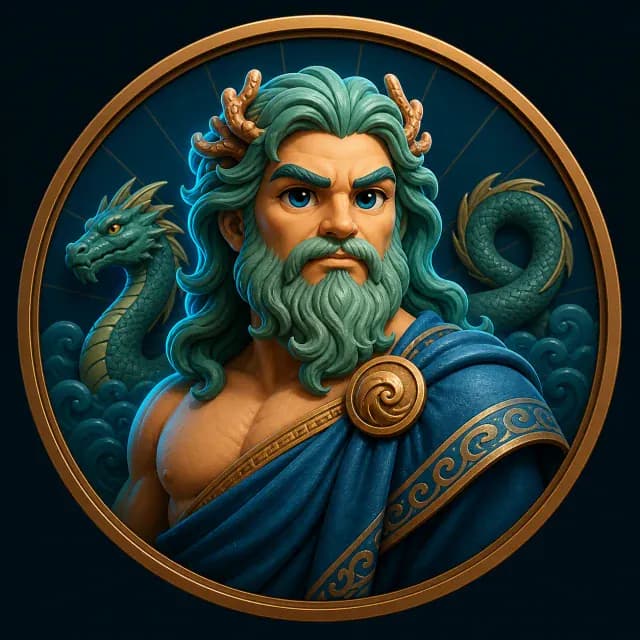
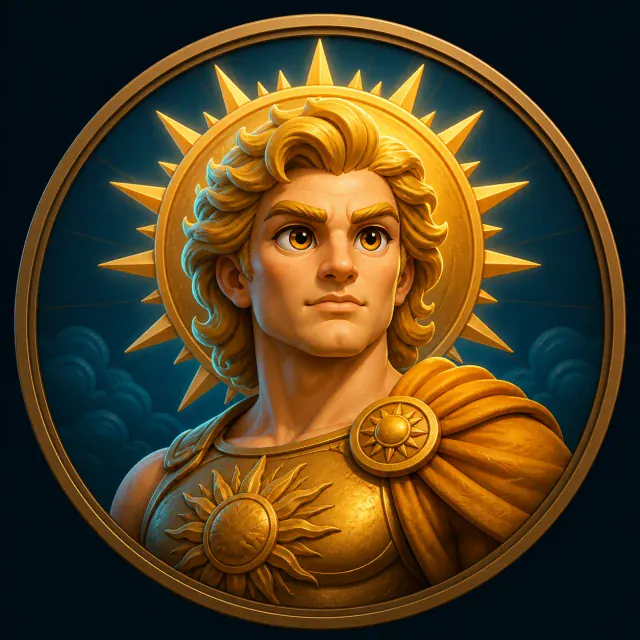
The Titans are the children of Gaia and Uranus who stand between the primordial cosmos and the Olympian order. In Hesiod's most influential genealogy, the six male Titans are Oceanus, Coeus, Crius, Hyperion, Iapetus, and Cronus; the six female Titans are Theia, Rhea, Themis, Mnemosyne, Phoebe, and Tethys. They are not twelve copies of one role. Oceanus encircles the world, Hyperion belongs to a family of heavenly lights, Themis embodies divine order, and Mnemosyne personifies memory.
Cronus becomes ruler after overthrowing Uranus, then swallows his own children to prevent another succession. Rhea saves Zeus, and the struggle later called the Titanomachy ends with a new Olympian settlement. The story is both genealogy and political thought: each generation inherits power, fears displacement, and creates the conditions for its own replacement.
The twelve standard Titans
The familiar group of twelve comes primarily from Hesiodic genealogy. MythBranch currently gives individual profiles to Cronus, Rhea, Oceanus, Hyperion, Coeus, Themis, and Mnemosyne. Crius, Iapetus, Theia, Phoebe, and Tethys remain named here so the directory does not mistake the seven visual profiles for a claim that only seven Titans existed.
Titans are not all imprisoned enemies
Later retellings often imagine every Titan as a defeated monster locked in Tartarus. Ancient accounts are more selective. Oceanus can remain outside the central revolt, Themis and Mnemosyne become closely integrated with Zeus's order, and the children of Titans—including Helios, Selene, Atlas, Prometheus, and Leto—occupy very different positions. 'Titan' names a generation and lineage, not a uniform moral faction.
Reading the Titan family tree
Use the chart to follow Gaia and Uranus into Cronus and Rhea, then into Zeus and his siblings. Union lines and parent lines have different meanings. The diagram prioritizes the succession spine, while the profiles and source notes identify omissions and variants rather than disguising them as certainty.