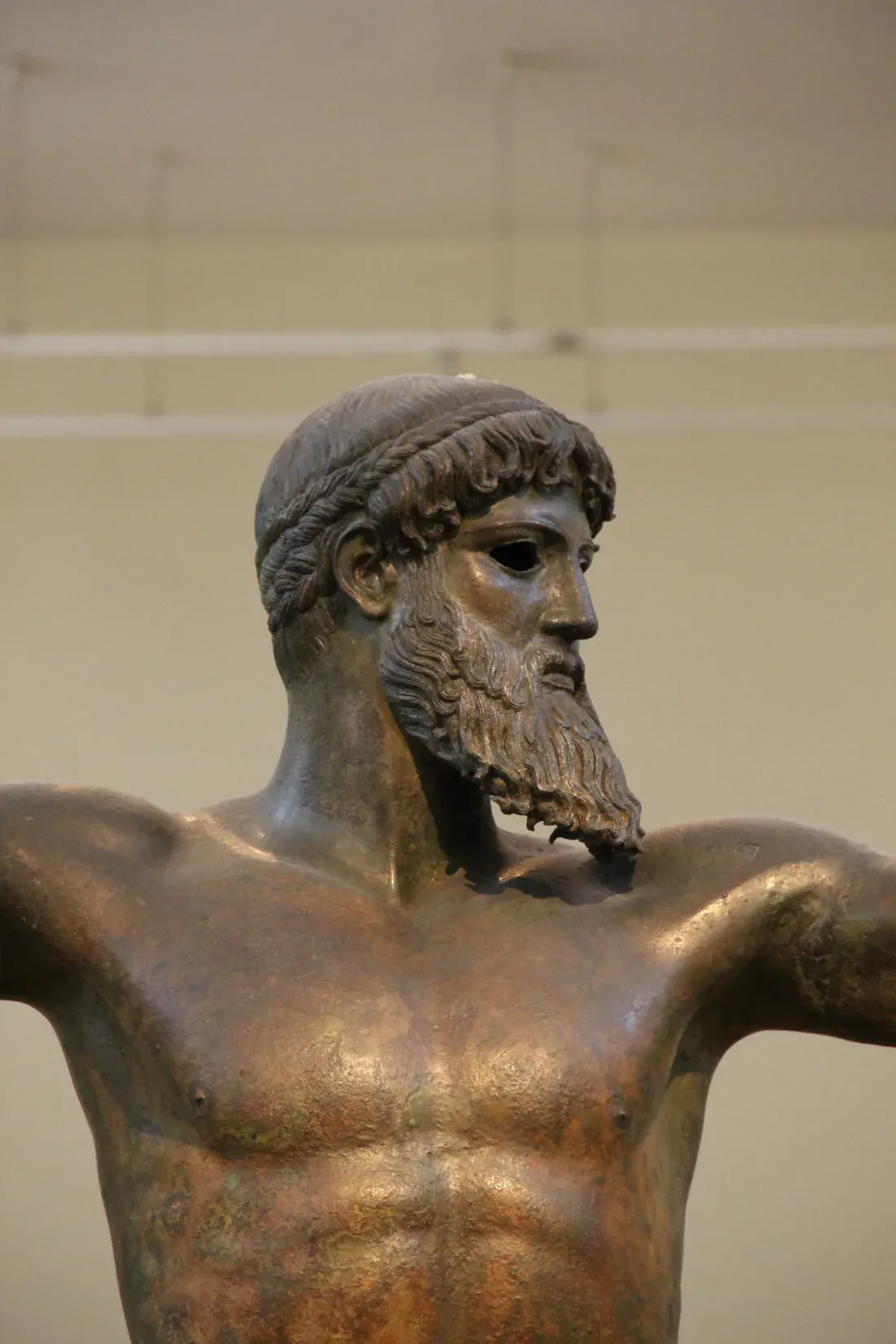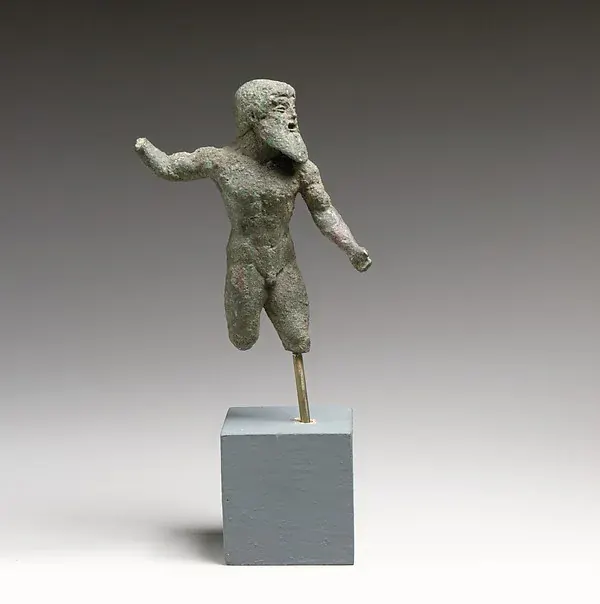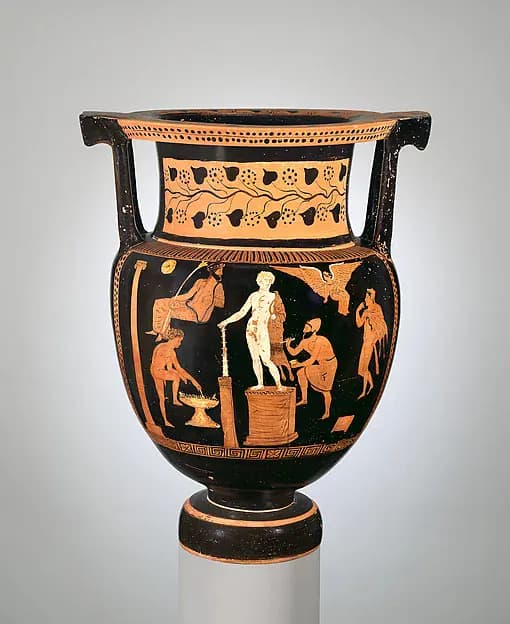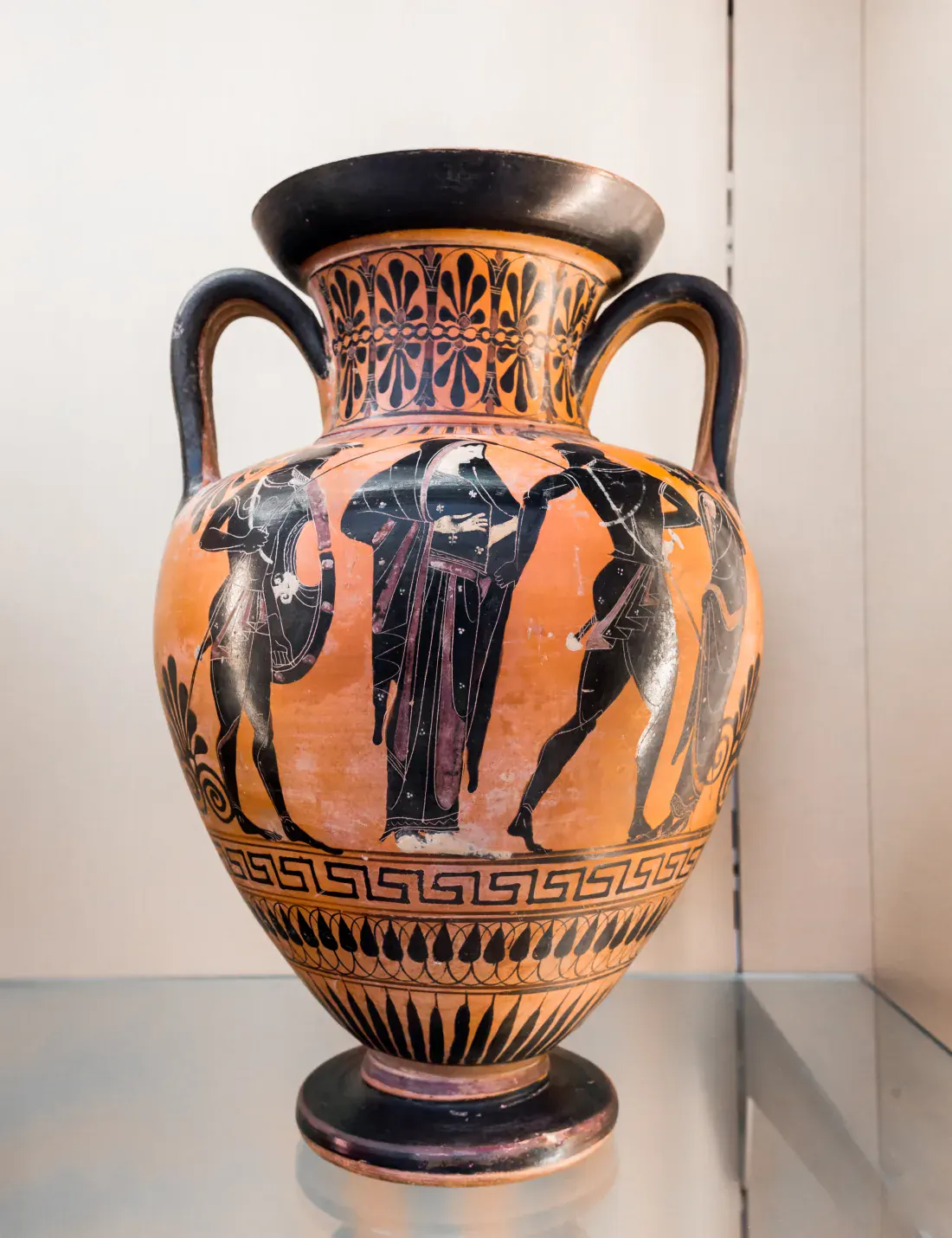
OLYMPIAN · 03
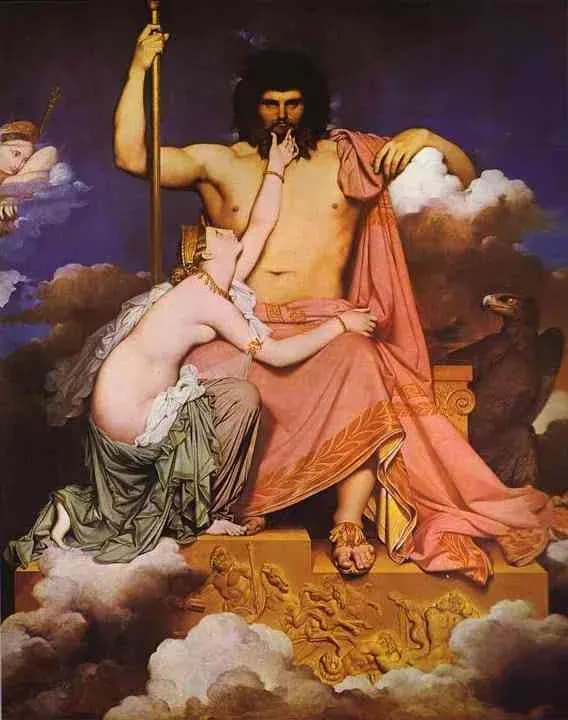
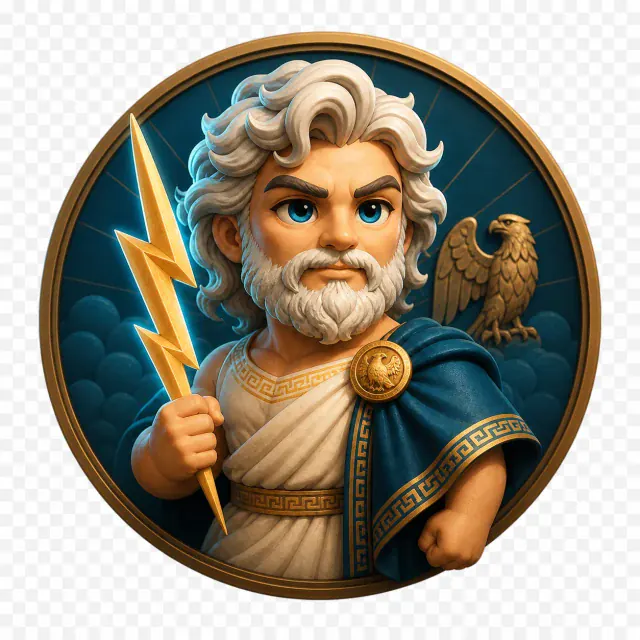
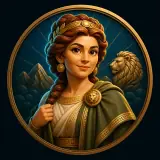
Illustrated portrait of Zeus holding a thunderbolt

Portrait from the MythBranch atlas
Interpretive illustration, not an ancient likeness

Greek deity research profile · cited sources

Zeus

Jupiter · Sky, thunder & kingship

Zeus is the Olympian sky-god and king whose authority joins overwhelming weather power with counsel, justice, oaths, hospitality, and the distribution of divine honors. He is the youngest child of Cronus and Rhea, yet he becomes leader of the generation that defeats the Titans and establishes the present cosmic order.

Cult, epithets, and political authority

Sky, kingship, oaths, and civic order.

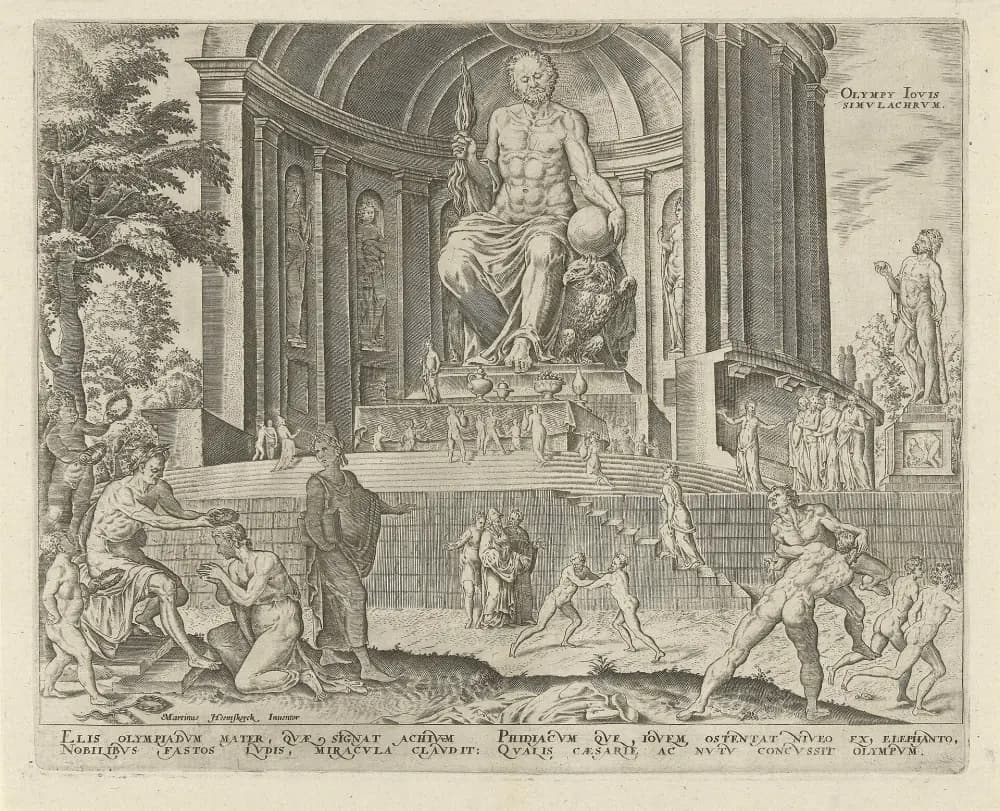
Ancient worship never reduced Zeus to a single personality. Communities addressed him through local epithets—as guardian of strangers, oaths, households, assemblies, rain, political unity, and pan-Hellenic competition at Olympia. Roman Jupiter is the closest state-level equivalent, but Greek and Roman institutions developed separately and should not be treated as interchangeable in every context.

Greek myth has no single canonical edition. This profile privileges the earliest surviving Greek evidence, identifies later systematization, and keeps Roman reception distinct. Hesiod supplies the great succession narrative; Homeric epic dramatizes a ruler balancing fate, petitions, family conflict, and competing divine interests.

01Olympios02Xenios03Horkios04Keraunios05Basileus

From hidden child to cosmic ruler

Selected narratives involving Zeus.

The sequence covers survival, alliance, resistance, settlement, justice, and succession.

01

Birth and succession

Hidden from Cronus

Cronus swallows each child born to Rhea because he has learned that one of them will overthrow him. Rhea, advised by Gaia and Uranus, hides the newborn Zeus in Crete and gives Cronus a stone wrapped like an infant. Once grown, Zeus restores his swallowed siblings and begins the transfer of power from Titans to Olympians.
Hesiod: Theogony ↗Pseudo-Apollodorus: Library ↗
02

War between generations

The Titanomachy

Zeus frees the Cyclopes and Hundred-Handers, gaining both the thunderbolt and decisive allies. After a ten-year struggle, the younger gods defeat the Titans and confine the hostile generation in Tartarus under guard. The victory is therefore won through alliance, release, and distribution of honors—not by solitary force alone.

Hesiod: Theogony ↗Pseudo-Apollodorus: Library ↗
03

Securing Olympus

Typhoeus: the last cosmic challenge

After the Titans fall, the storm-monster Typhoeus challenges the new ruler with fire, noise, and monstrous plurality. Zeus answers with thunder and lightning, scorches the earth, and defeats the challenger. Later authors expand the battle differently, but all treat it as a final test of Olympian stability.

Hesiod: Theogony ↗Pseudo-Apollodorus: Library ↗
04

Settlement after victory

The division of the cosmos

In Homeric tradition, Zeus, Poseidon, and Hades receive sky, sea, and underworld by lot, while earth and Olympus remain shared. Zeus nevertheless holds senior political authority among the gods, a position that Poseidon can contest in speech even when he ultimately accepts it.

Homeric tradition: Iliad ↗Pseudo-Apollodorus: Library ↗
05

Heroic age

Justice, hospitality, and the epic world

The Iliad and Odyssey show Zeus receiving petitions, protecting strangers and suppliants, punishing oath-breakers, and coordinating divine action. Humans still make consequential choices: the Odyssey opens by insisting that mortals often blame the gods for suffering they create through their own recklessness.

Homeric tradition: Iliad ↗Homeric tradition: Odyssey ↗Hesiod: Works and Days ↗John Marks · Center for Hellenic Studies, Harvard University: Zeus in the Odyssey ↗

The branch around Zeus

Power is a family structure.

This section reports relationships actually drawn in the current atlas. Ancient genealogies contain additional partners and children, and sources do not always agree.

Genealogy note

Hera is both Zeus's sister and principal wife in major Greek traditions. The atlas line styles distinguish parentage from union so that these two relationship types are never conflated.
Open the interactive branch ↗

Stage · screen · bookshelf

Every age remade Zeus.
This is a reception history, not a list of “accurate” adaptations. Each work is labeled by evidence type and read for the version of authority it creates.
  1. c. 430 BCEOlympiacult image
  2. 1744Semelemusic drama
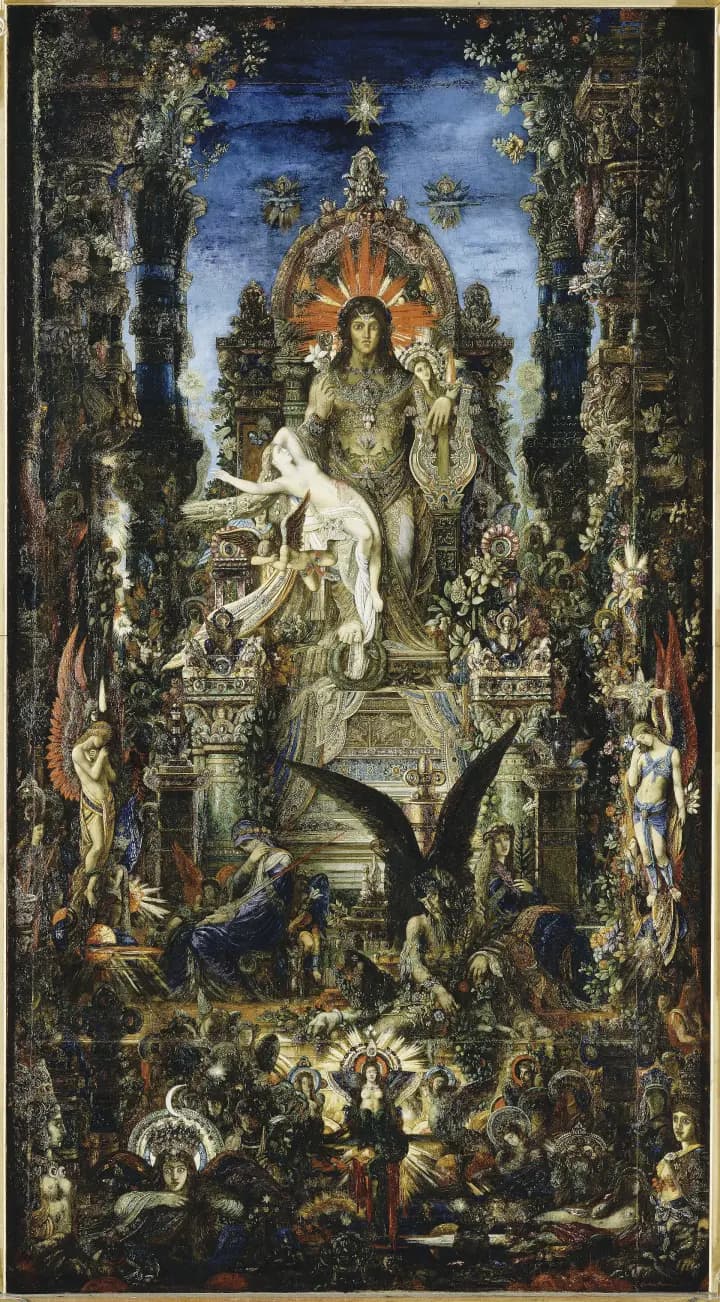
  3. 1895Moreausymbolist painting
  4. 1981Clashscreen spectacle
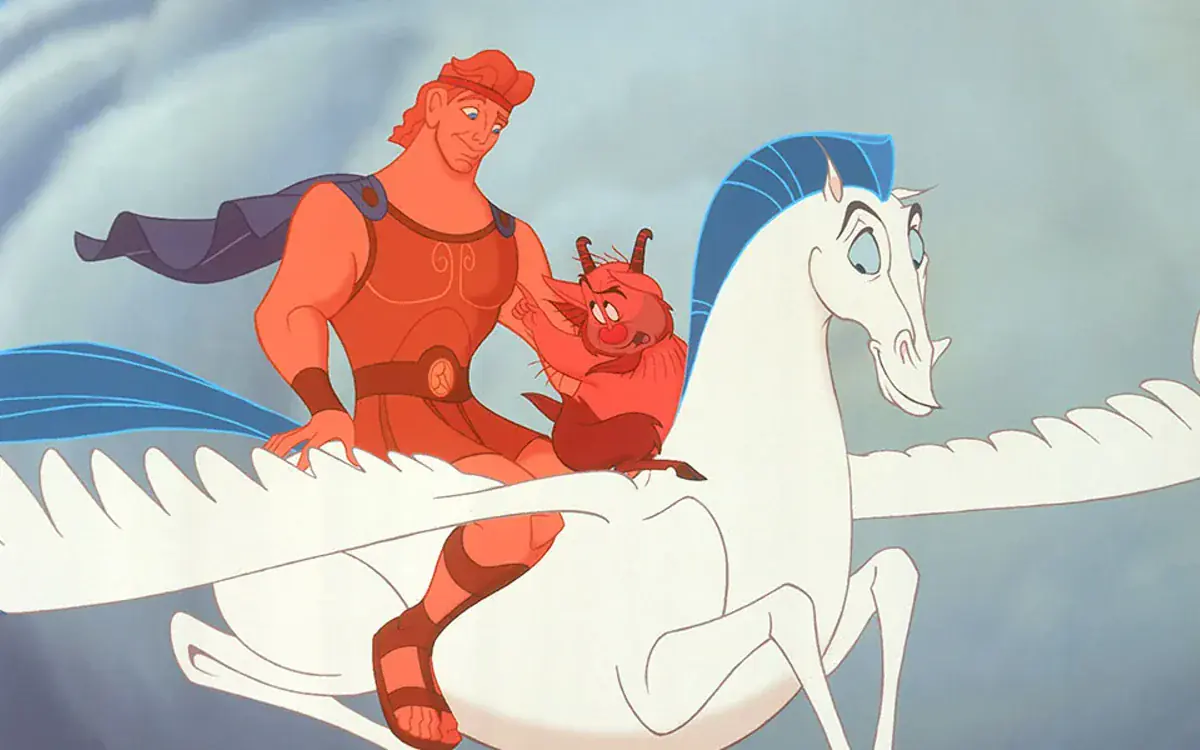
  5. 1997Herculesanimation
  6. 2024KAOStelevision satire
01

Curated shelf

Stage & opera

04 works
02

Curated shelf

Film & television

03 works
03

Curated shelf

Books & scholarship

04 works

Modern stage and screen thumbnails are official publicity or editorial images shown at small scale for identification and criticism; copyright remains with the named rights holders. Public-domain context images are explicitly labeled so they cannot be mistaken for production stills or publication covers.

Sources and documentation

Primary texts, scholarship, and catalogue records.

Dates follow conventional scholarly ranges. Cover thumbnails identify modern editions; they do not represent the date or original material form of an ancient text. Links lead to Perseus, Harvard's Center for Hellenic Studies, university archives, and museum catalogues.

Ancient source

6
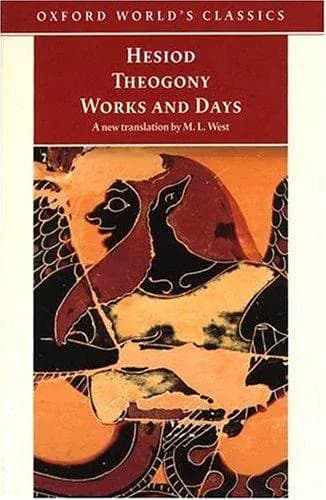
  1. Cover of Hesiod's Theogony and Works and Days translated by M. L. WestOxford World's Classics edition
    Theogony↗

    Hesiod · c. 700 BCE

    The foundational surviving Greek account of divine generations, Zeus's rise, the Titanomachy, and the defeat of Typhoeus.
    Edition shownM. L. West translation · Oxford World's Classics, 1999
  2. Cover of Hesiod's Theogony and Works and Days translated by M. L. WestOxford World's Classics edition
    Works and Days↗

    Hesiod · c. 700 BCE

    An early account of Zeus as guarantor of justice, right judgment, sacrifice, and the moral order of work.
    Edition shownM. L. West translation · Oxford World's Classics, 1999
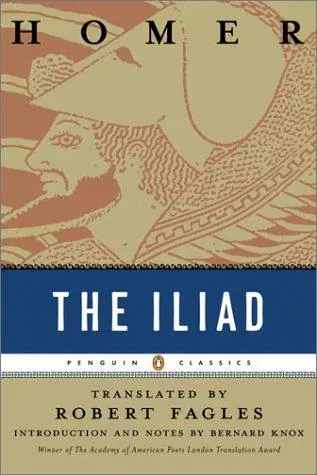
  3. Cover of Robert Fagles's Penguin Classics translation of the IliadPenguin Classics edition
    Iliad↗

    Homeric tradition · late 8th–early 7th century BCE

    The chief early epic witness to Zeus negotiating fate, honor, family conflict, and divine intervention during the Trojan War.
    Edition shownRobert Fagles translation · Penguin Classics, 1998
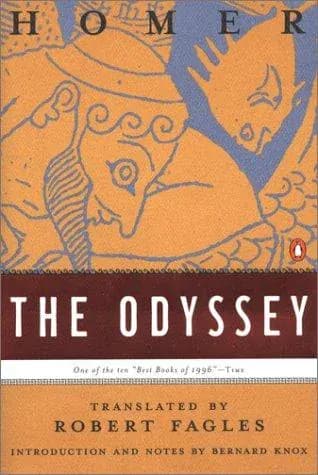
  4. Cover of Robert Fagles's Penguin Classics translation of the OdysseyPenguin Classics edition
    Odyssey↗

    Homeric tradition · late 8th–early 7th century BCE

    Presents Zeus as a judge of hospitality, oath-breaking, human responsibility, and the conditions of Odysseus's return.
    Edition shownRobert Fagles translation · Penguin Classics, 1997
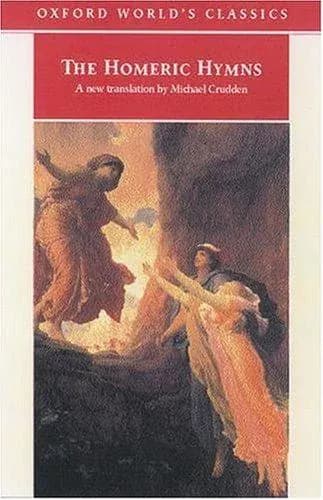
  5. Cover of Michael Crudden's Oxford World's Classics translation of the Homeric HymnsOxford World's Classics edition
    Homeric Hymns↗

    Anonymous Greek poets · 7th–5th centuries BCE, with later additions

    Cult-oriented poems that preserve Zeus's role in the births, honors, and settlements of other Olympian gods.
    Edition shownMichael Crudden translation · Oxford World's Classics, 2002
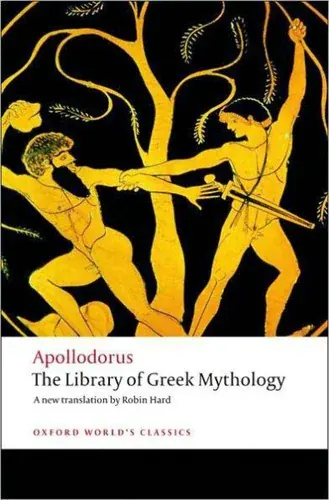
  6. Cover of Robin Hard's Oxford World's Classics translation of the Library of Greek MythologyOxford World's Classics edition
    Library↗

    Pseudo-Apollodorus · 1st–2nd century CE

    A late Greek mythographic handbook useful for comparing organized genealogies and variants with earlier poetry.
    Edition shownRobin Hard translation · Oxford World's Classics, 2008

Academic study

1
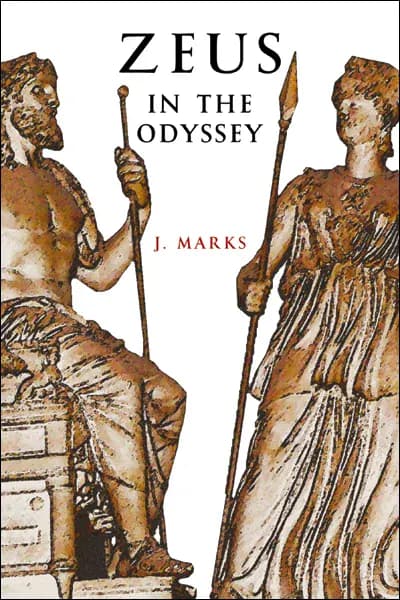
  1. Cover of J. Marks's Zeus in the OdysseyCenter for Hellenic Studies cover
    Zeus in the Odyssey↗

    John Marks · Center for Hellenic Studies, Harvard University · Academic study

    A source-focused study of Zeus's justice, will, and narrative authority in Homeric epic.
    Edition shownJ. Marks · Hellenic Studies 31, 2008

Museum research

1
  1. Cover of Greek Art from Prehistoric to Classical from The Metropolitan Museum of ArtThe Metropolitan Museum of Art publication
    Greek Art from Prehistoric to Classical↗

    The Metropolitan Museum of Art · Museum scholarly resource

    A museum-authored introduction connecting Greek visual culture, archaeology, ritual, and mythic subjects.
    Edition shownMichael Norris · The Metropolitan Museum of Art, 2000

Family questions

Questions about Zeus's family.

Who are Zeus's parents?

Zeus is a son of the Titans Cronus and Rhea.

How are Zeus, Poseidon, and Hades related?

They are brothers, children of Cronus and Rhea, who rule sky, sea, and the underworld in a major ancient division of divine domains.

Is Jupiter exactly the same as Zeus?

Jupiter is Zeus's closest Roman equivalent, but the Greek and Roman gods belonged to different civic, ritual, and literary traditions.