The ruling generation after the Titans
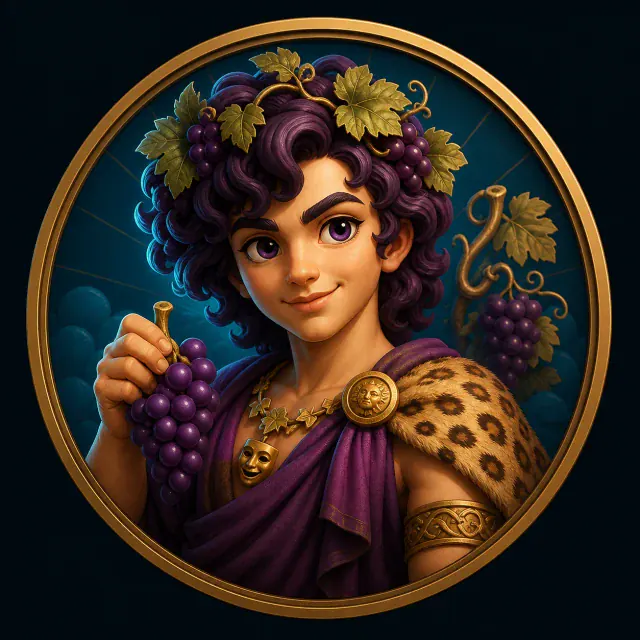
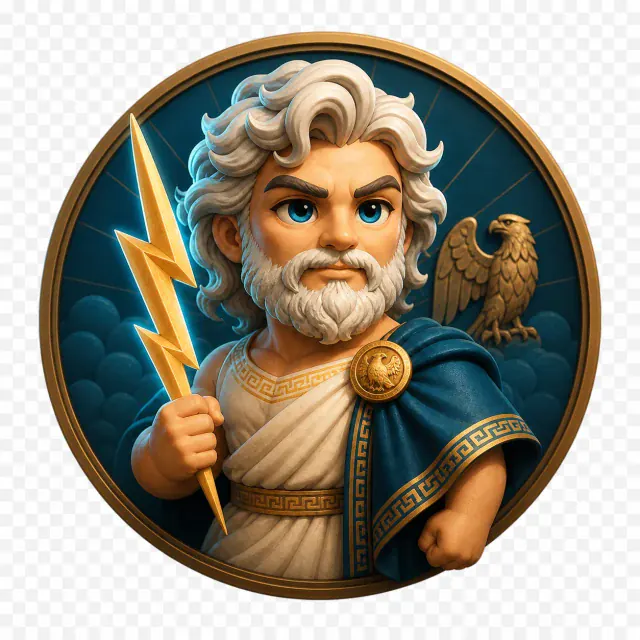
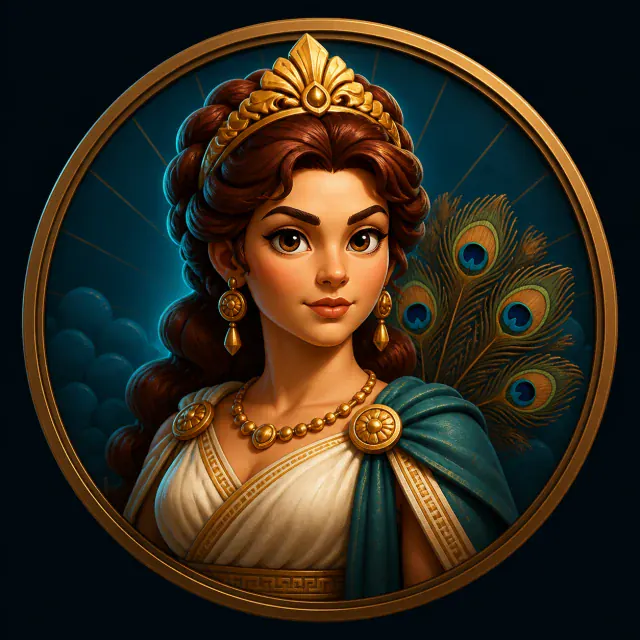
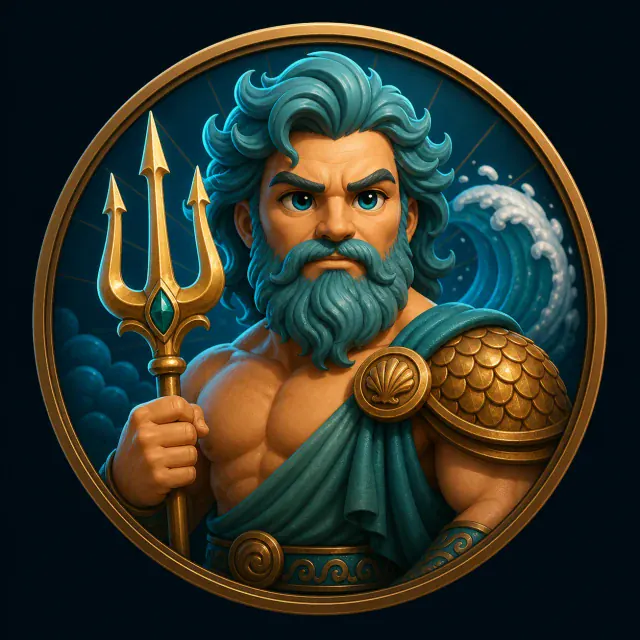
The Twelve Olympians are the best-known group in Greek mythology, but the phrase describes a flexible divine council rather than one universally fixed attendance sheet. MythBranch uses the common Dionysus version: Zeus, Hera, Poseidon, Demeter, Athena, Apollo, Artemis, Ares, Aphrodite, Hephaestus, Hermes, and Dionysus. Another major list includes Hestia instead of Dionysus. Hades belongs to the same first sibling generation as Zeus but rules the underworld and is usually not counted among the Twelve who dwell on Olympus.
Their family tree begins well before Olympus. Gaia and Uranus produce the Titan generation; Cronus and Rhea produce Zeus, Hera, Poseidon, Hades, Demeter, and Hestia. Zeus's victory establishes a new order, and the next generation adds children such as Athena, Apollo, Artemis, Ares, Hermes, and Dionysus. Aphrodite resists a single placement because Hesiod makes her arise from sea foam while Homer calls her a daughter of Zeus and Dione.
Who are the Twelve Olympian gods?
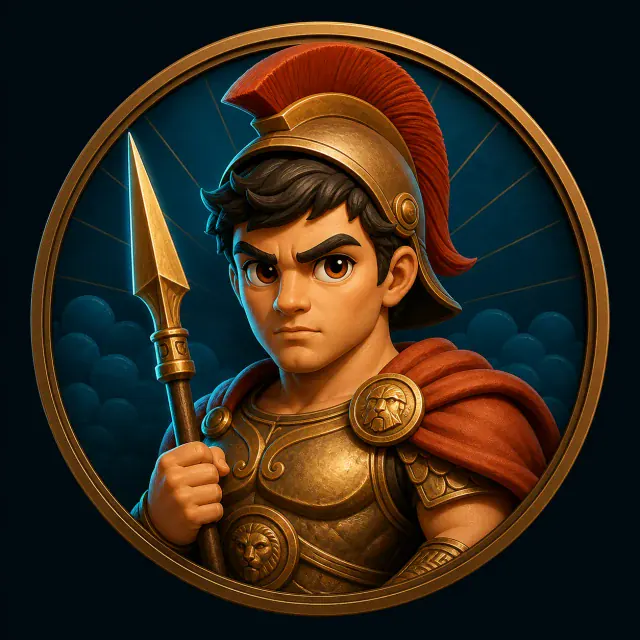
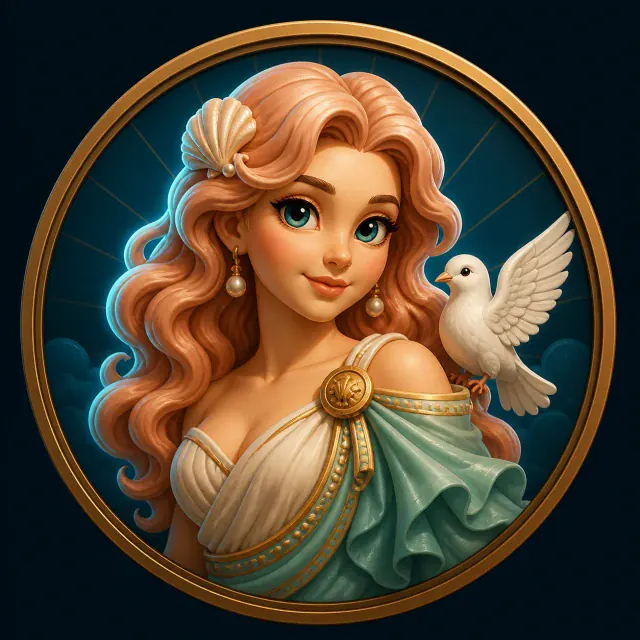
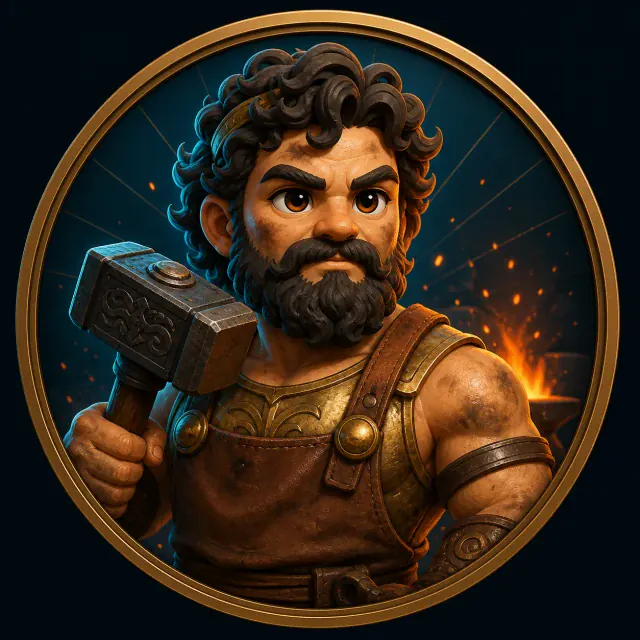
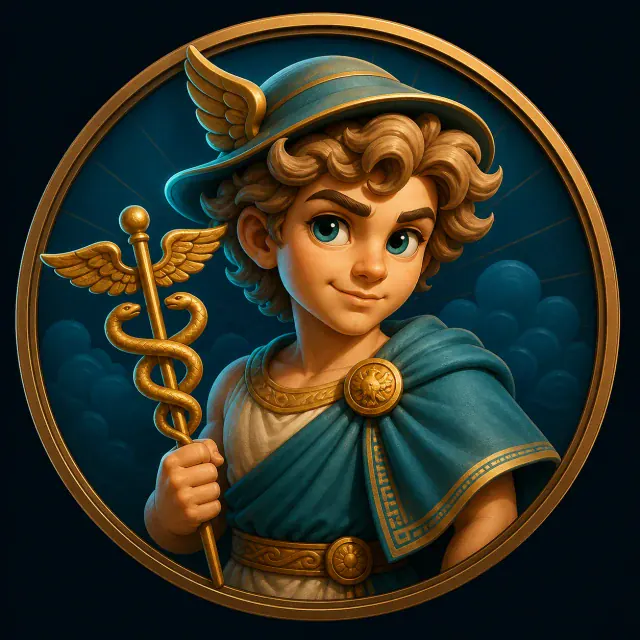
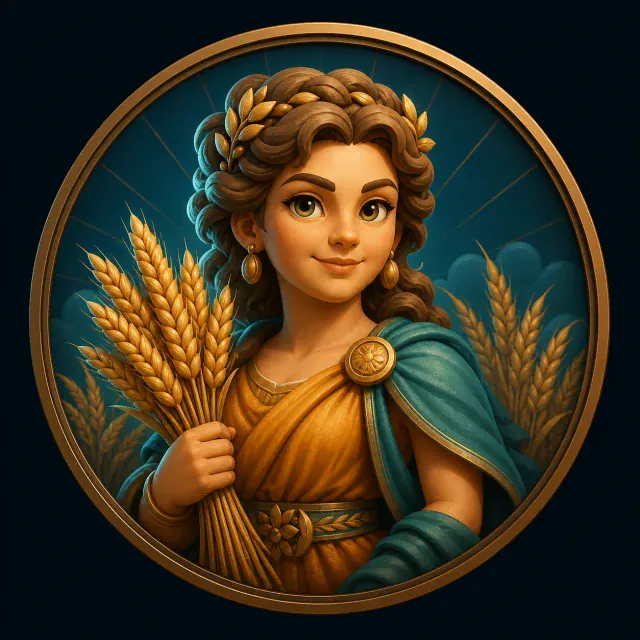
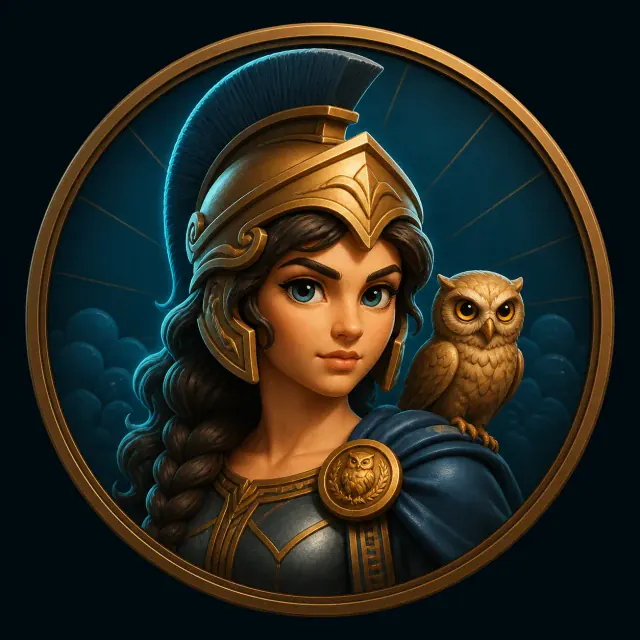
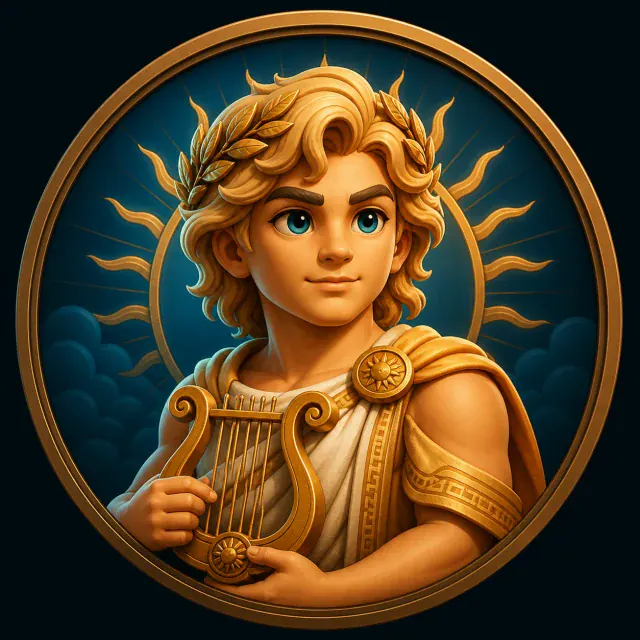
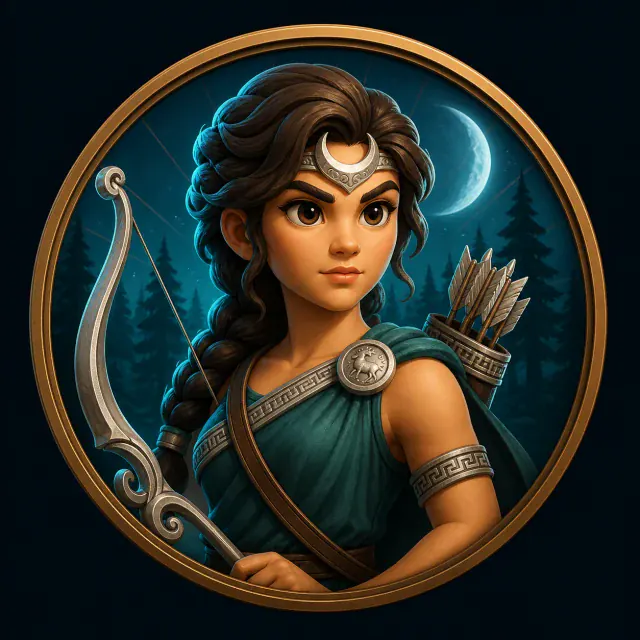
Zeus governs sky, thunder, hospitality, oaths, and kingship. Hera protects marriage and queenship. Poseidon rules sea, earthquakes, and horses. Demeter sustains grain and agriculture. Athena joins strategy, craft, and civic protection; Apollo prophecy, music, healing, and archery; Artemis hunting, wild life, and transitions; Ares the immediate violence of war; Aphrodite desire and attraction; Hephaestus fire and skilled making; Hermes messages, roads, exchange, and boundary crossing; Dionysus wine, theatre, ecstasy, and transformation.
These descriptions are introductory rather than exclusive definitions. Divine functions overlap: Apollo can heal and send plague; Artemis protects young life and brings sudden death; Athena's intelligence operates in warfare and weaving; Zeus governs institutions as well as weather. The family tree connects these functions to narrative and genealogical evidence.
Why does the list change?
Ancient communities did not rely on a single central authority to certify a canonical twelve. Literary catalogues, cult groupings, local calendars, and later handbooks could emphasize different gods. Hestia and Dionysus are the most familiar variation, but the principle is broader: 'the Twelve' expresses completeness and divine order even when the exact names differ.
The popular story that Hestia politely surrendered a throne to Dionysus solves the variation as if Olympus had permanent assigned seats. It is not necessary. It is more accurate to say that multiple lists survived and that Hestia remained an Olympian goddess even when not counted in one roster.
Olympian parents, siblings, and children
Zeus, Hera, Poseidon, Hades, Demeter, and Hestia are siblings, children of Cronus and Rhea. Hera is both Zeus's sister and principal wife in major traditions. Their atlas branch includes Ares; Hera also has a separate parent line to Hephaestus, reflecting the tradition that she bore the smith god without Zeus. Zeus's other drawn children include Athena, Apollo, Artemis, Hermes, Dionysus, Heracles, and Perseus, although their mothers and many additional descendants lie beyond this focused chart.
Aphrodite's two major births show why source labels matter. A clean diagram can imply certainty where poetry preserves alternatives. MythBranch therefore leaves her parent line open in the visual tool and explains both traditions on her profile rather than choosing one silently.
How to use the interactive Olympian family tree
Select a portrait or name to isolate nearby relationships. A solid lineage path indicates parent to child; a separate union style marks partners; encounter paths identify story connections that are not ancestry. Open a deity page for the evidence behind each branch, then return to the atlas with that figure selected. The chart is designed for navigation and comparison, not as a replacement for ancient texts.
Start with Zeus to see the largest Olympian branch, then compare Hera, Poseidon, Hades, Demeter, and Hestia as siblings. Move down one generation to see how different mothers, local traditions, and disputed births complicate the idea of a single royal household. This sequence keeps chronology, genealogy, and cult identity distinct while still making the whole network legible.