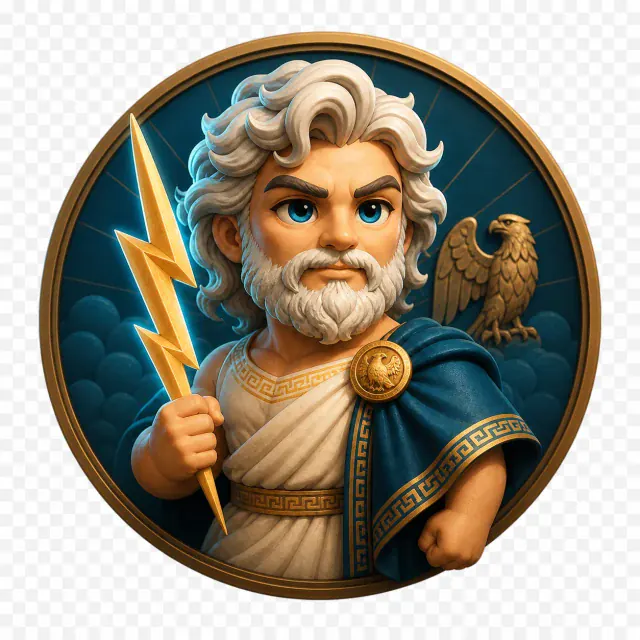
 ZeusJupiter
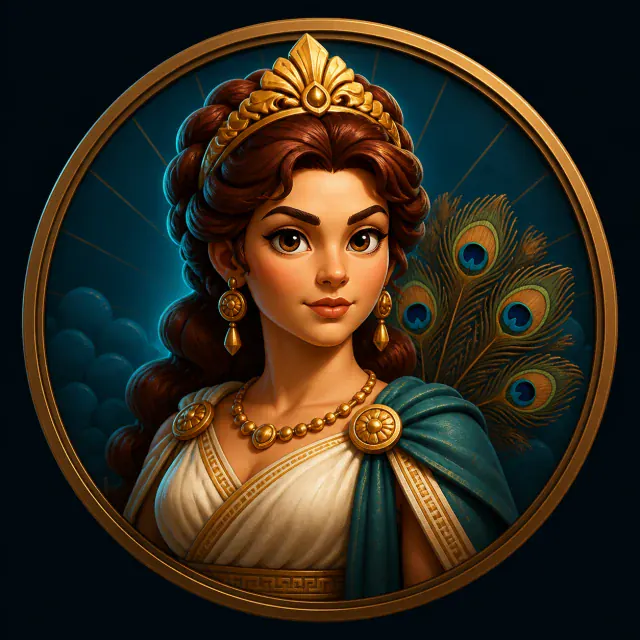 HeraJuno
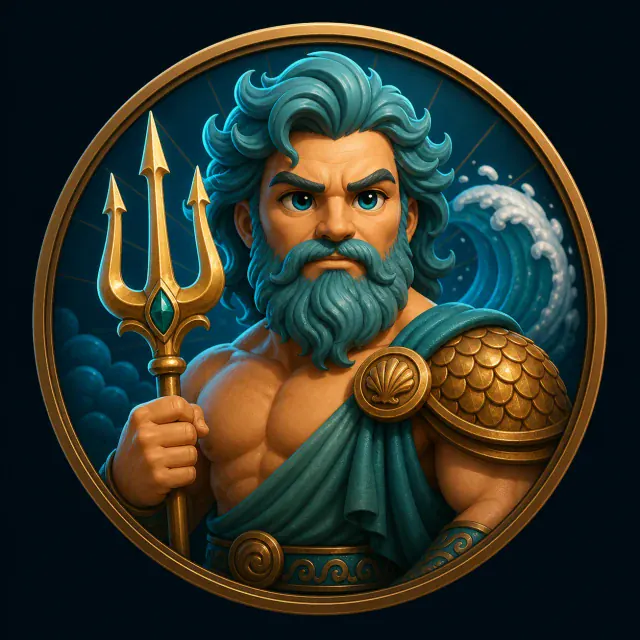 PoseidonNeptune
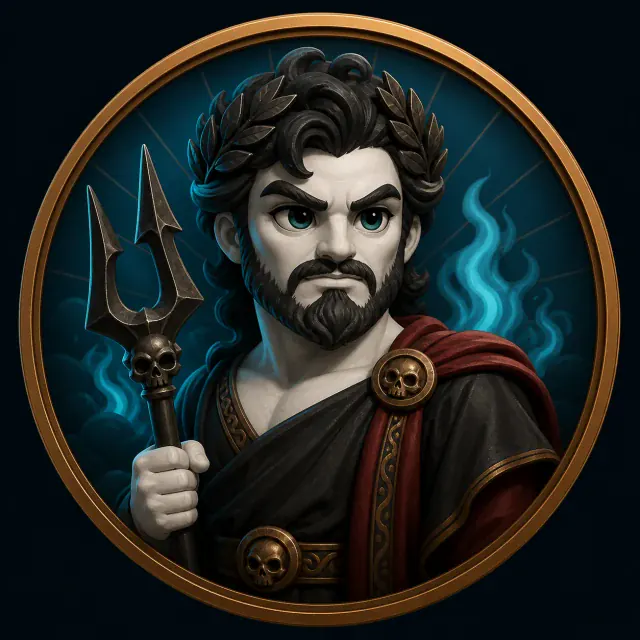 HadesPluto
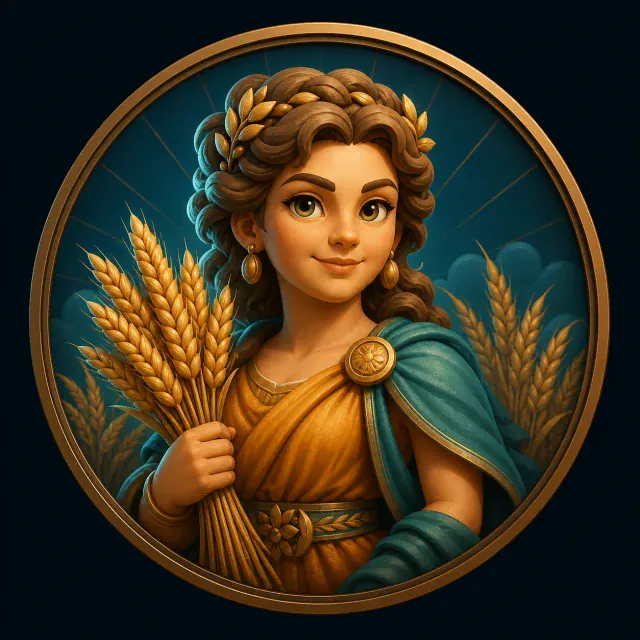 DemeterCeres
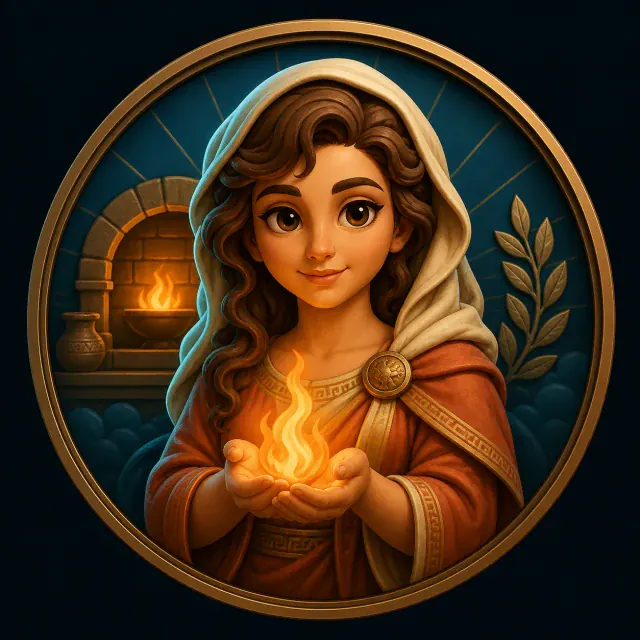 HestiaVesta
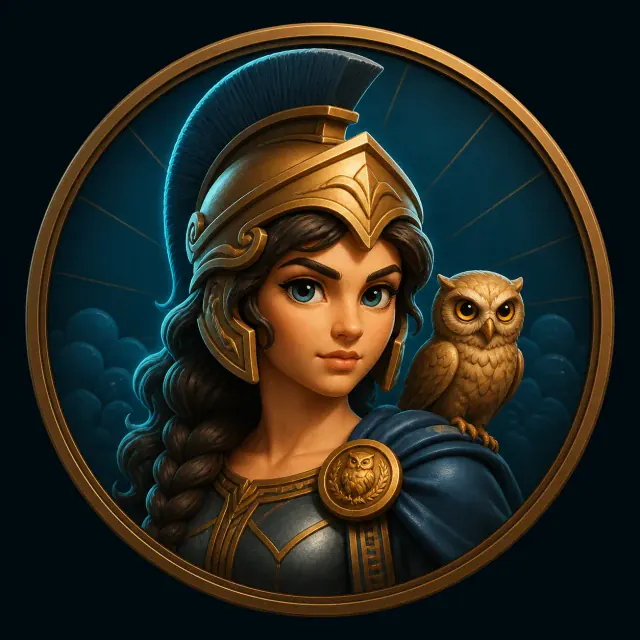 AthenaMinerva
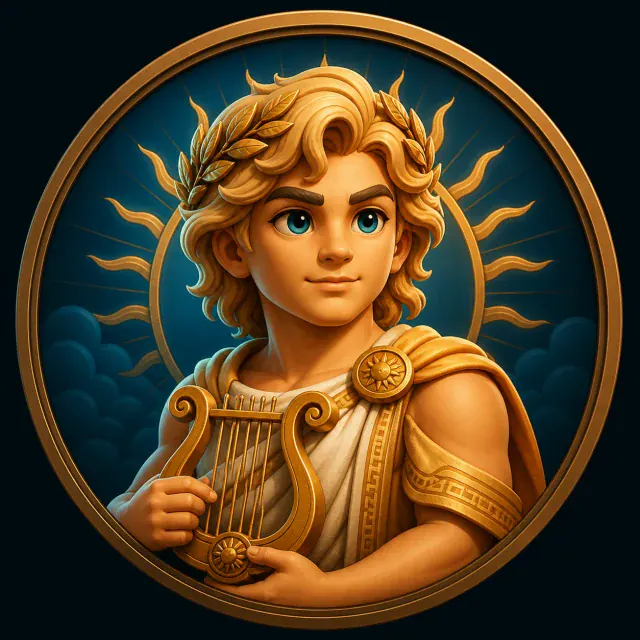 ApolloApollo
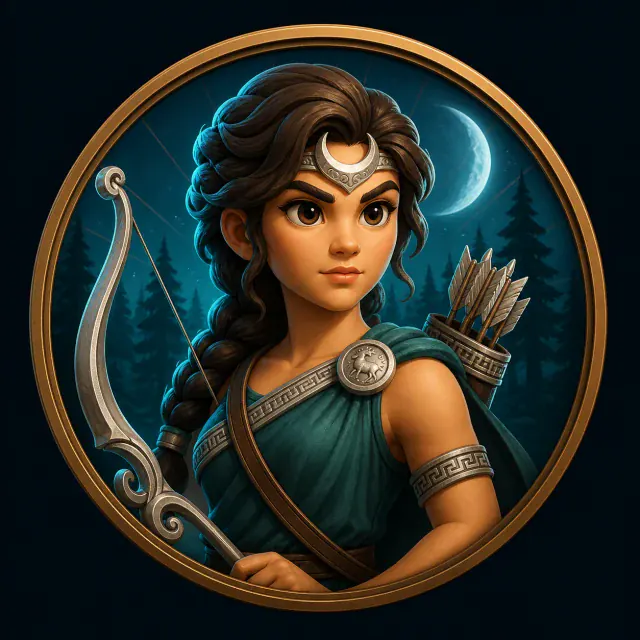 ArtemisDiana
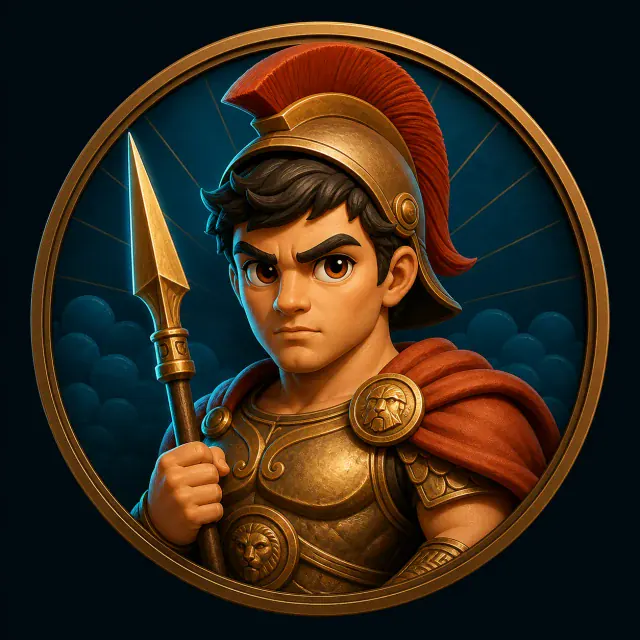 AresMars
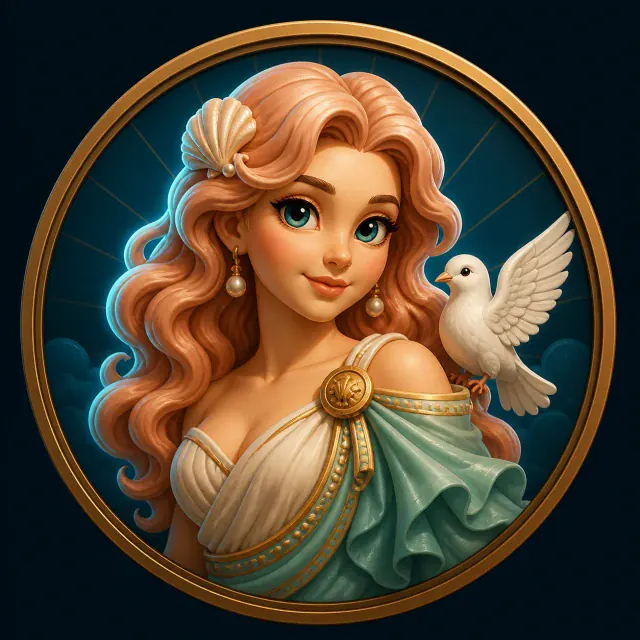 AphroditeVenus
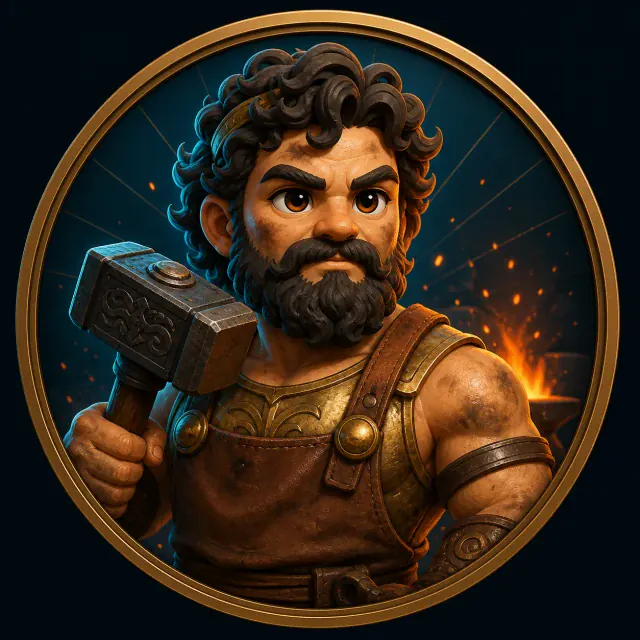 HephaestusVulcan
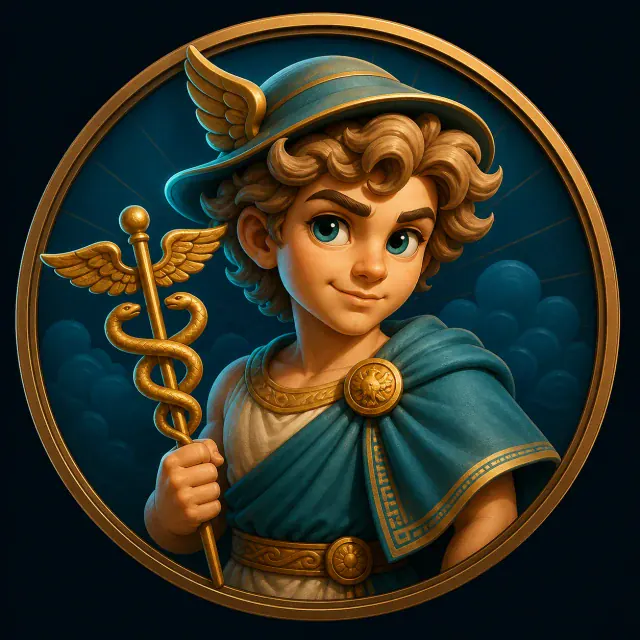 HermesMercury
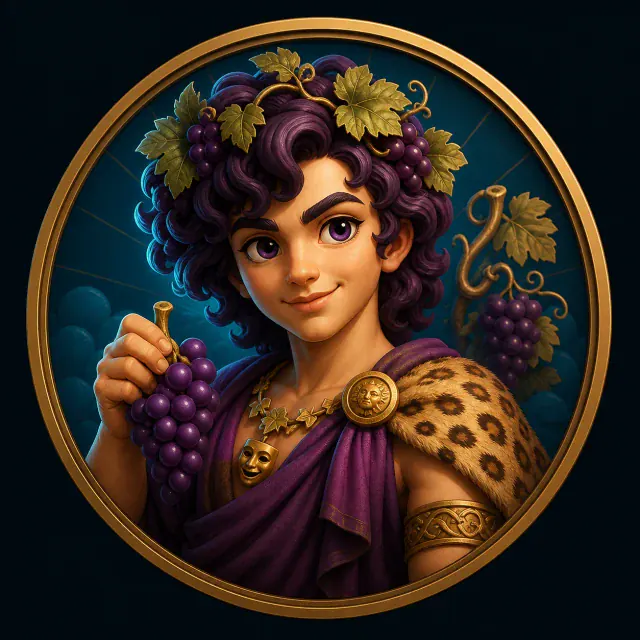 DionysusBacchus
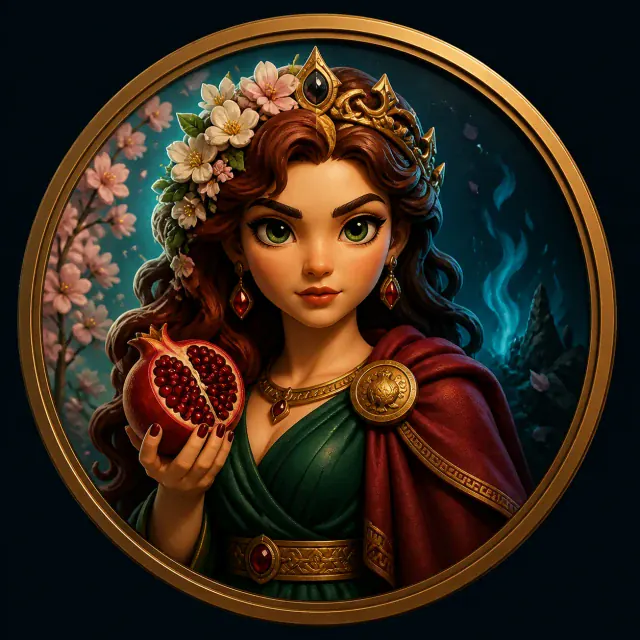 PersephoneProserpina
16 Divine Types · New
What's your divine type?
Twelve choices, sixteen gods and two hidden cards. Get your card, its internet name and your match percentage, then rig a friend's deck.
Draw your cardHOLD LEFT MOUSE + DRAG TO PAN · SCROLL TO ZOOM · SELECT TO TRACE
Play · No sign-up
Two games built on the same sources as the atlas. Draw a tarot-style card or answer ten story dilemmas, then send the result to the friend who should take it next.
Turn today's card One card a day · keep your streakTwelve choices, sixteen gods and two hidden cards. Get your card, its internet name and your match percentage, then rig a friend's deck.
Draw your cardTen famous messes from the myths, each choice backed by a source. Your answers point to the branch of the family tree you belong on.
Start the questNEW · SCHOLARLY KNOWLEDGE LAYER
The illustrated atlas remains a readable selection. The research layer registers missing figures, separates Greek and Roman entities, preserves incompatible genealogies, and links each published assertion to ancient texts or scholarly corpora.
THE MYTHIC INDEX · FIELD GUIDE 01
Greek gods. Roman cross-references. Source-tested lineages.
The atlas arranges divine generations from the earliest cosmic beings to the Titans, Olympians, and heroes. Extended documentation appears below the interactive chart.
The Greek god family tree begins before Zeus. In Hesiod’s Theogony, Chaos appears first; Gaia, Tartarus, and Eros follow near the beginning of the ordered cosmos. Gaia brings forth Uranus, and their union produces the Titans. Earth and Sky become parents, while memory and divine law appear as Mnemosyne and Themis.
Cronus and Rhea become parents of Hestia, Demeter, Hera, Hades, Poseidon, and Zeus. Cronus swallows each child to prevent being overthrown, but Rhea conceals Zeus. Once grown, Zeus releases his siblings and leads the younger gods against the Titans. Their victory establishes a new order built on the same divine lineage.
A clear Greek mythology family tree needs distinct lines: descent records ancestry, emergence marks a cosmogonic sequence, union identifies partners, and encounter marks a story without inventing kinship. Select a figure to trace a branch, then open its profile for family and variant traditions. Aphrodite’s two birth stories and the changing place of Hestia or Dionysus among the Twelve show why no chart can erase every ancient disagreement.
Browse the illustrated index of Greek gods and goddesses ↗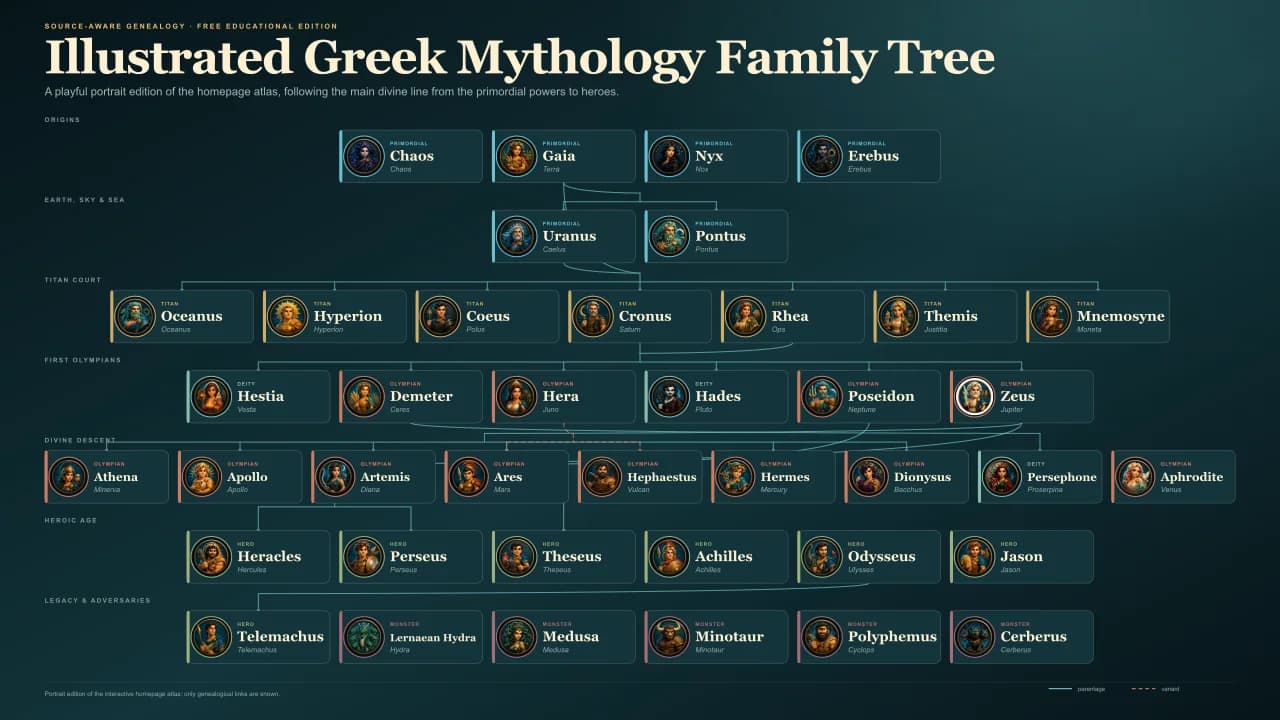
Chaos and Gaia anchor the earliest generation; Gaia and Uranus produce the Titans; Cronus and Rhea produce Zeus, Hera, Poseidon, Hades, Demeter, and Hestia; Zeus and his siblings then lead the Olympian order. The chart uses portraits to make this central line easier to scan, while the interactive atlas and evidence ledger preserve alternate traditions.
The category of Twelve Olympians concerns membership in the Olympian order and cannot be derived from kinship alone. Lists commonly exchange Hestia and Dionysus; Hades is Zeus’s sibling but normally remains outside the group.
King of the gods; sky, thunder, and divine authority.
Queen of Olympus; marriage, queenship, and legitimacy.
Ruler of the sea; earthquakes, horses, and storms.
Goddess of grain, agriculture, and the seasonal cycle.
Goddess of wisdom, crafts, and strategic warfare.
God of prophecy, music, healing, and archery.
Goddess of the hunt, wilderness, and young life.
God of the violent and immediate force of battle.
Goddess of desire and beauty, with variant birth stories.
Divine smith of fire, craft, armor, and automata.
Messenger and boundary-crosser; travel, trade, and cunning.
God of wine, theatre, ecstatic ritual, and transformation.
The Twelve are not one set of siblings. Zeus, Hera, Poseidon, and Demeter are children of Cronus and Rhea; several younger Olympians are children of Zeus; Aphrodite’s parentage varies. The chart keeps generation, category, and relationship separate.
Roman counterparts are cultural identifications, not simple translations. MythBranch places the closest conventional Roman equivalent beneath each Greek name without treating the two traditions as identical.
Open the dedicated 12 Olympian gods family tree ↗The Primordial gods personify the earliest Greek cosmos. Chaos is a yawning gap rather than modern disorder; Gaia is Earth, Nyx is Night, and Erebus is Darkness. Gaia produces Uranus and Pontus, then joins with Uranus to produce the twelve Titans, Cyclopes, and Hundred-Handers.
The Titans are an older divine generation, not a separate species. Oceanus is linked with the world’s waters; Hyperion fathers Helios, Selene, and Eos; Mnemosyne becomes mother of the Muses; Themis represents divine order. Cronus and Rhea occupy the central succession because their children become the first Olympian siblings.
The overthrow of Uranus by Cronus and of Cronus by Zeus forms a repeating succession myth, yet older powers remain active. Mythic spine emphasizes this central chain, while Full atlas retains its surrounding figures and encounters.
These family links also explain why later Olympian myths remain connected to older cosmic powers: divine authority changes hands, but ancestry continues across each revolution, preserving Gaia, the Titans, and their descendants within one continuous mythological history together.
Because the ancient sources differ, the tree presents a selected central lineage. The era pages document additional relationships and variant genealogies.
Scan the illustrated mythological field for context, or isolate a clearer lineage by choosing the view that matches your question:
Filter by era or figure type, and search by Greek name, Roman cross-reference, or domain. Selecting a label traces the connected branch; selecting a portrait opens the full profile. The legend separates lineage, emergence, union, and encounter.
Drag to pan, scroll or use the controls to zoom, and reset at any time. The printable edition preview describes the classroom chart now in production.
These answers explain the distinctions that are easiest to miss when a complicated mythological tradition is compressed into one visual chart.