Origins before an Olympian kingdom
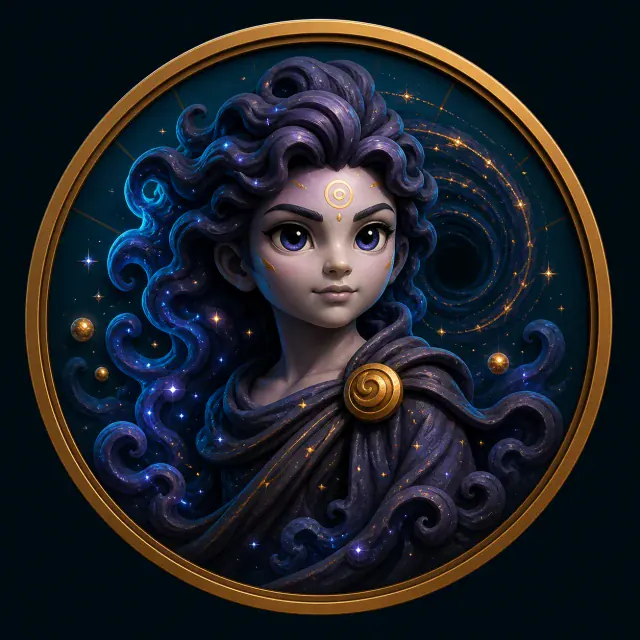
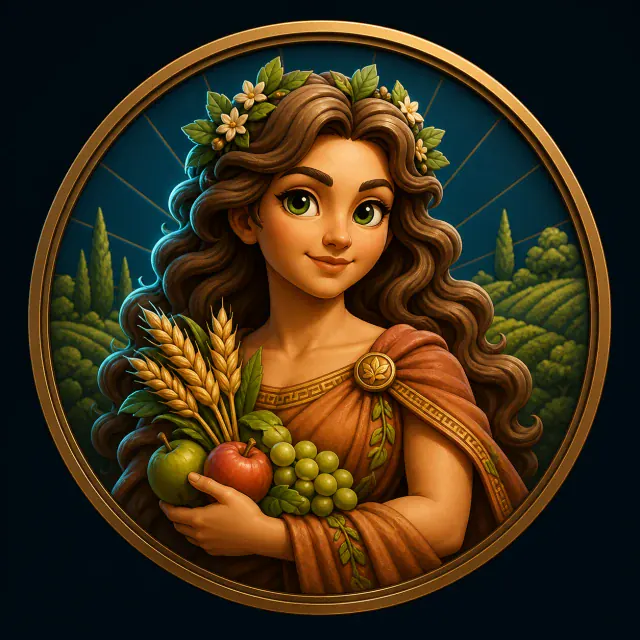
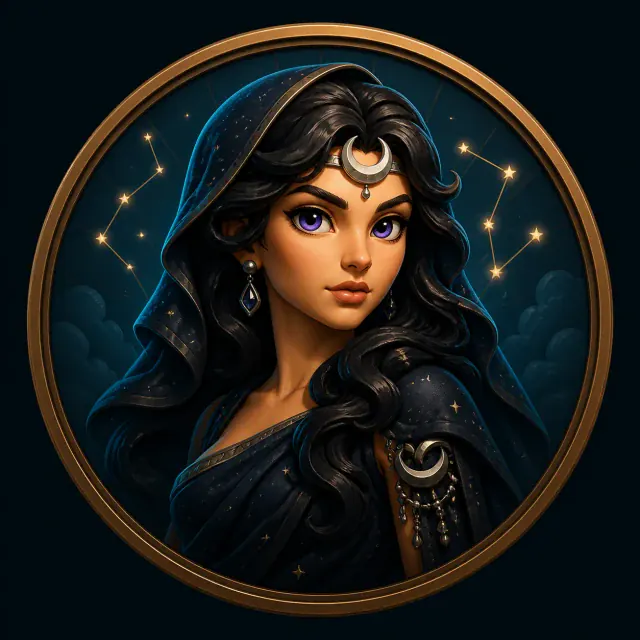
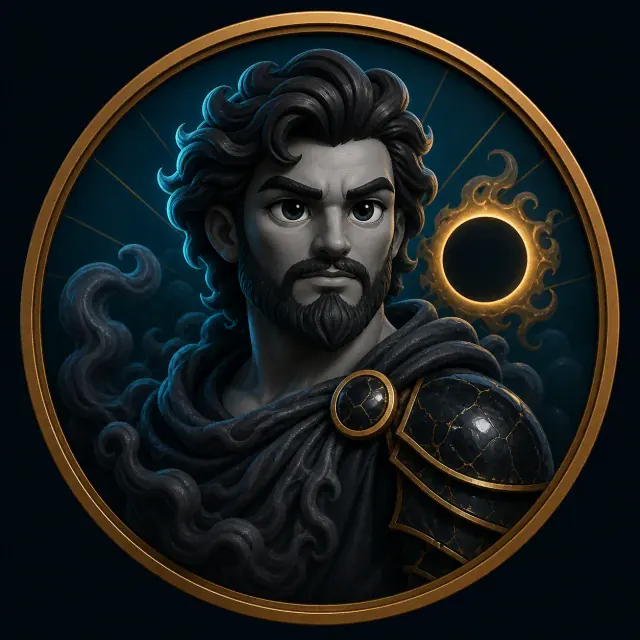
The primordial gods occupy the earliest layer of the Greek mythology family tree. They differ from a dynastic royal family: Chaos, Gaia, Tartarus, Eros, Nyx, Erebus, Uranus, Pontus, and related powers may function as beings, places, conditions, or cosmic processes. Genealogical language allows Greek poetry to describe the formation of an ordered world from gaps, earth, darkness, night, sky, and sea.
MythBranch follows relationships from Chaos through Gaia and Uranus into the Titan generation. The interactive chart selects the principal succession line for legibility; this guide records figures and variants that cannot be represented in a compact diagram.
From emergence to family
Hesiod's Theogony begins with Chaos, then Gaia, Tartarus, and Eros. Some beings arise without an ordinary pair of parents; others emerge through union or independent generation. That is why a missing parent line on a primordial profile does not mean the figure lacks importance. The poem is turning relationships among parts of the cosmos into a genealogy, not recording a human dynasty.
Gaia, Uranus, and the first succession
Gaia brings forth Uranus, the starry sky, and their union produces Titans and other powerful children. Uranus suppresses his offspring, Gaia plans resistance, and Cronus separates sky from earth. This violent opening creates space for a world while also establishing the succession pattern later repeated when Zeus confronts Cronus.
How to read the primordial family tree
Lineage arrows show the parent relationships selected for this atlas. They should not turn Night, Earth, Sea, or the Abyss into ordinary people with fixed modern biographies. Compare the diagram with ancient texts and keep alternate cosmogonies visible; Greek mythology has no single master creation chart.