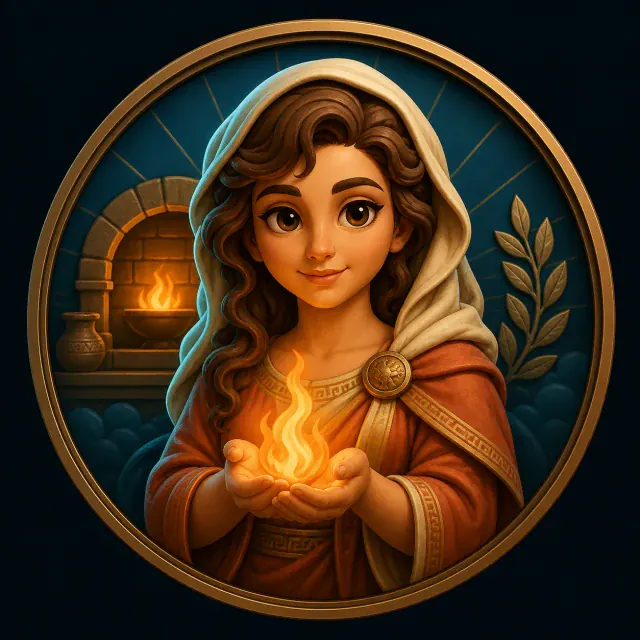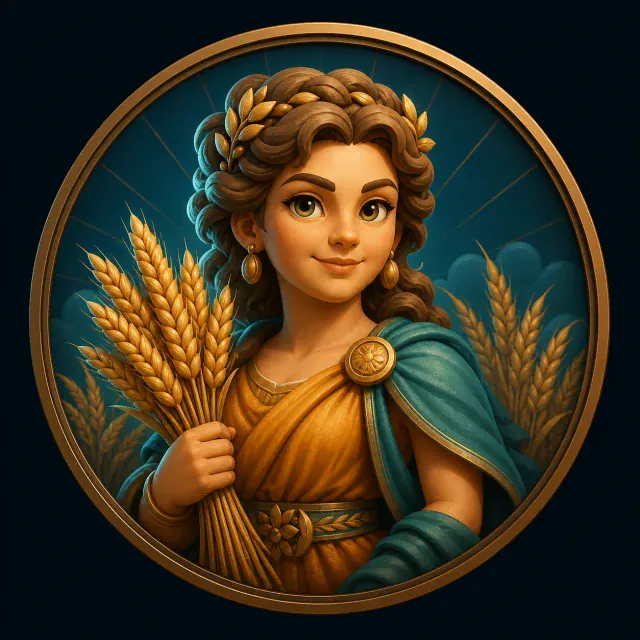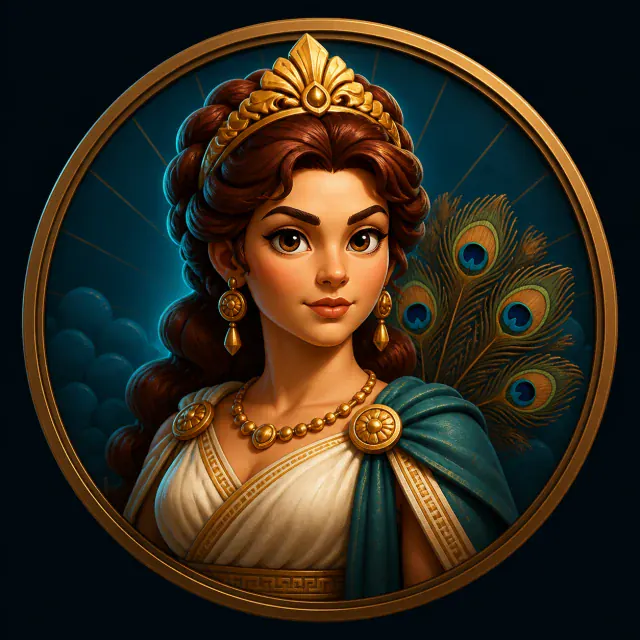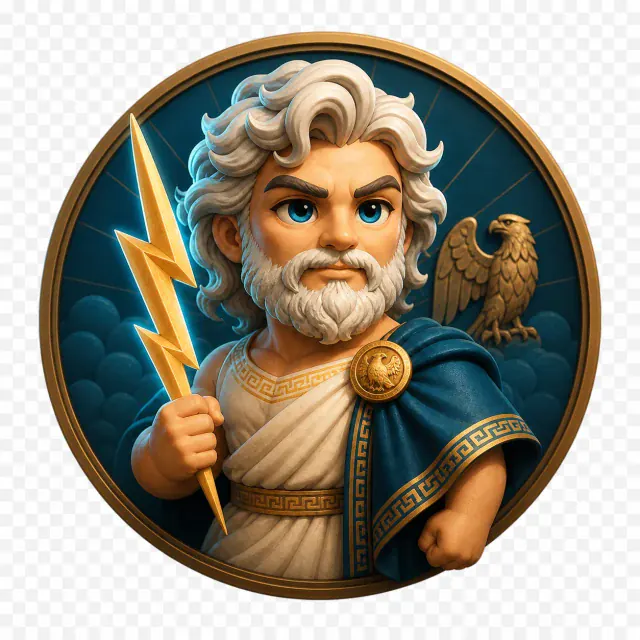
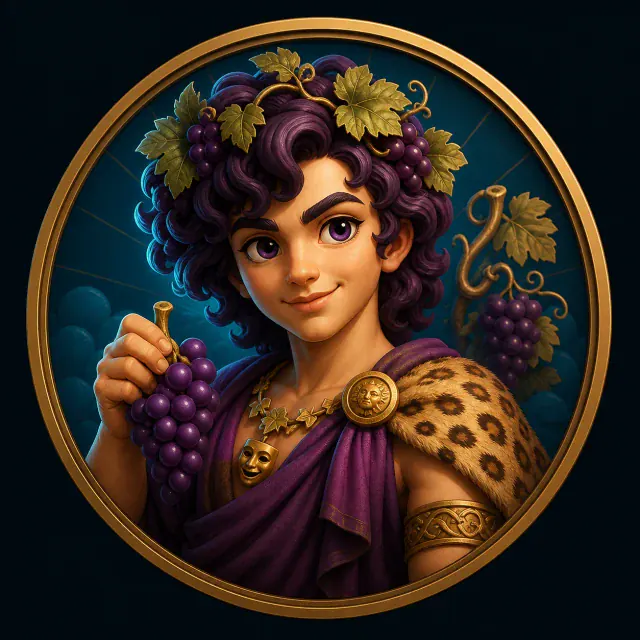
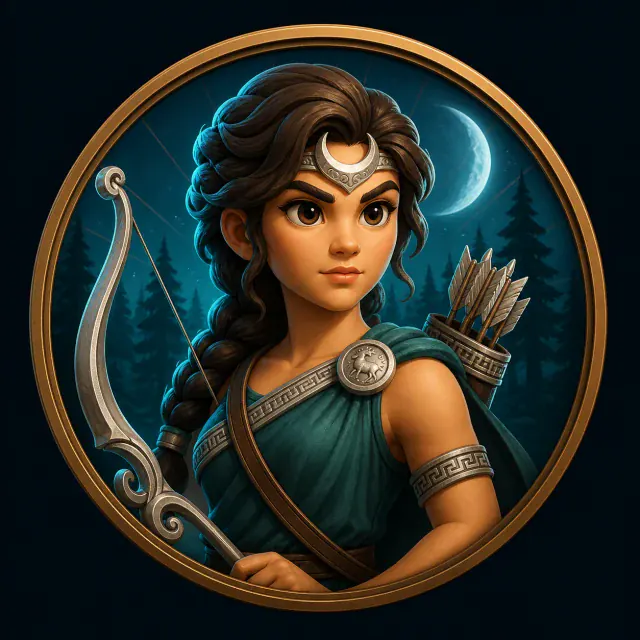
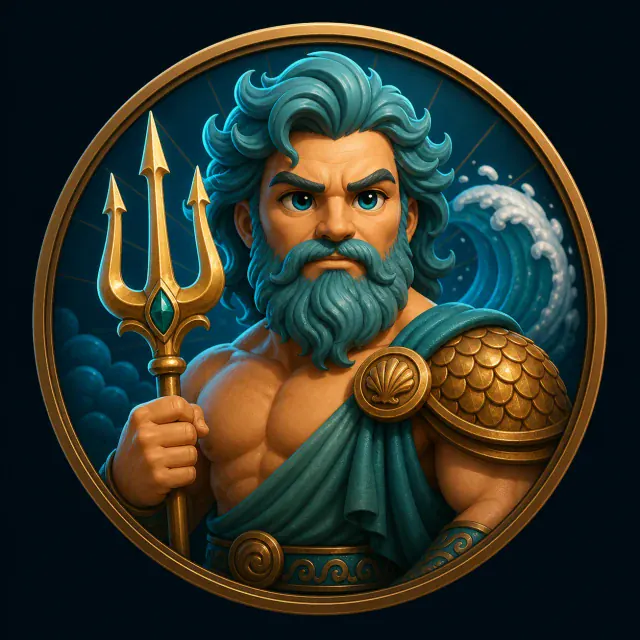
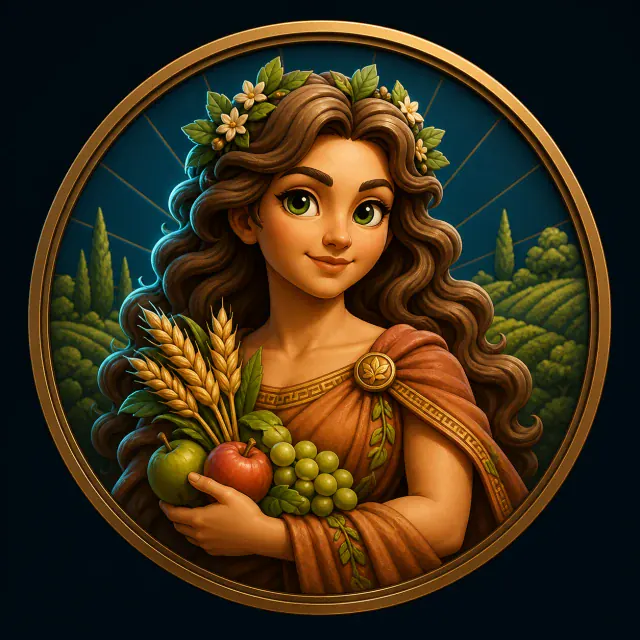
A GREEK GOD PERSONALITY TEST

What's your divine type?The 16 Divine Types

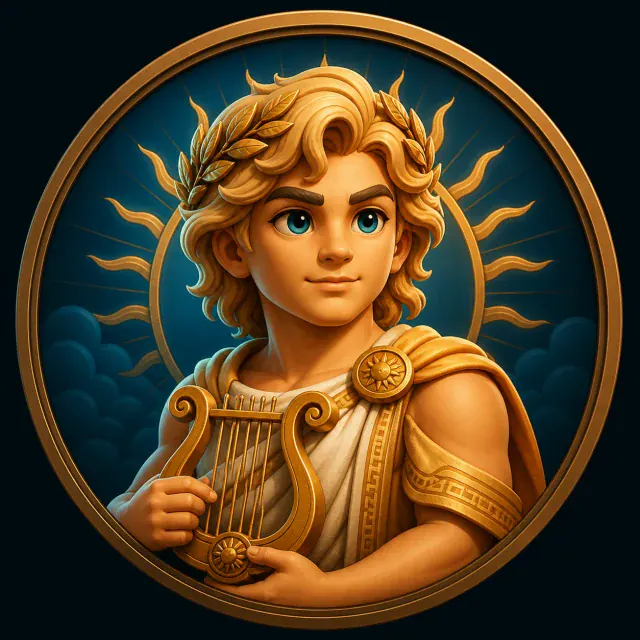
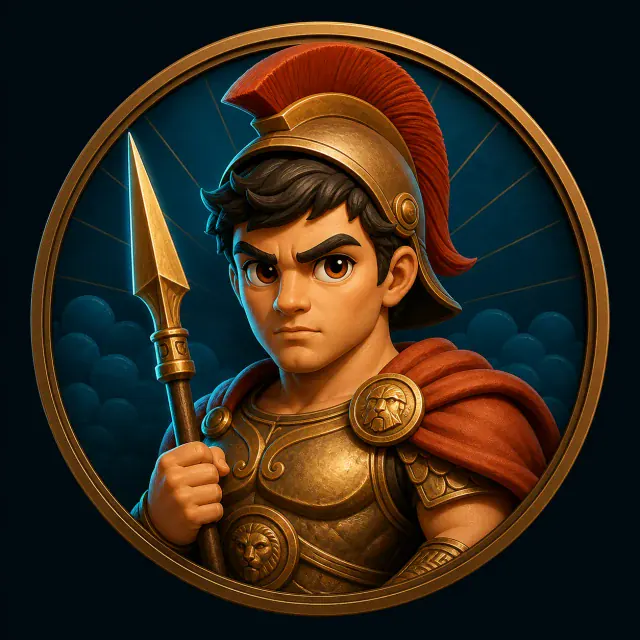
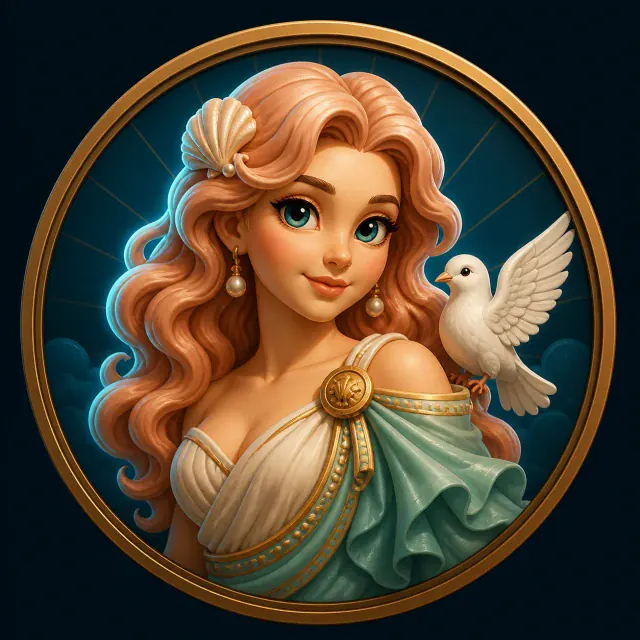
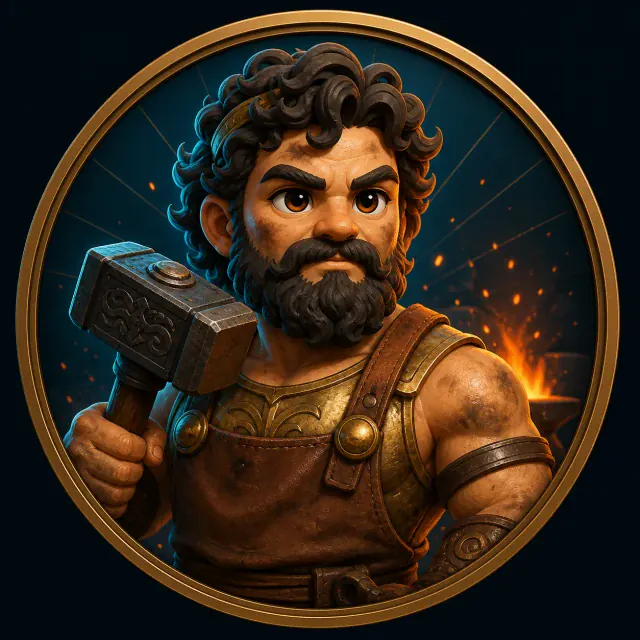
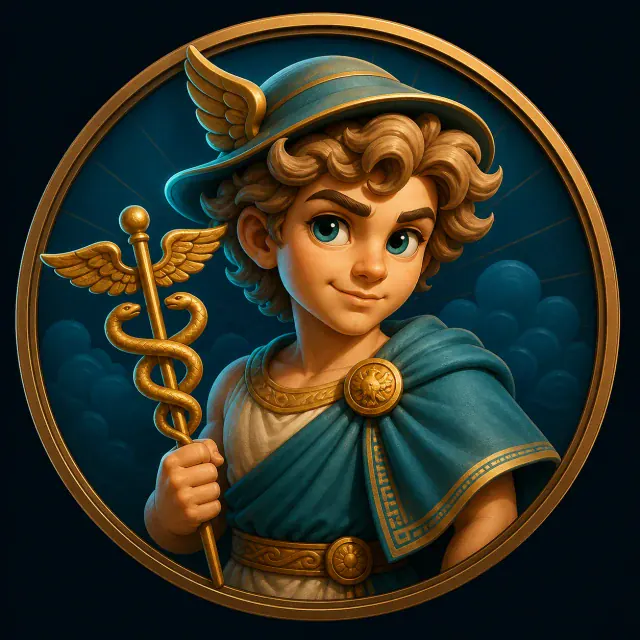
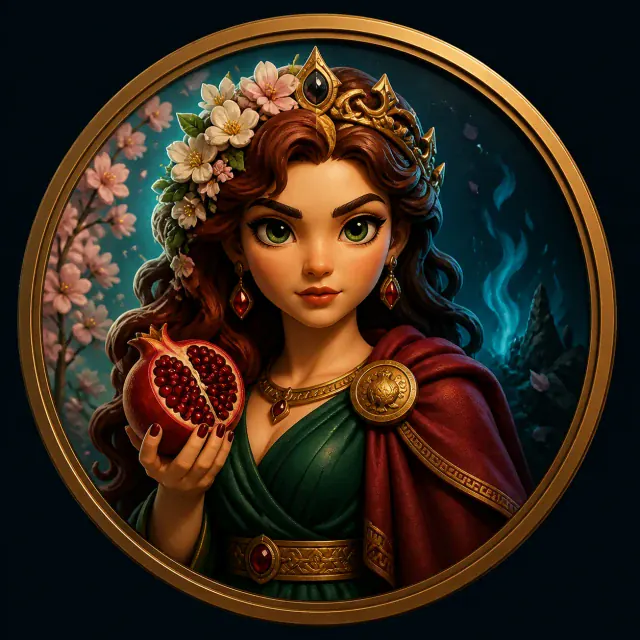
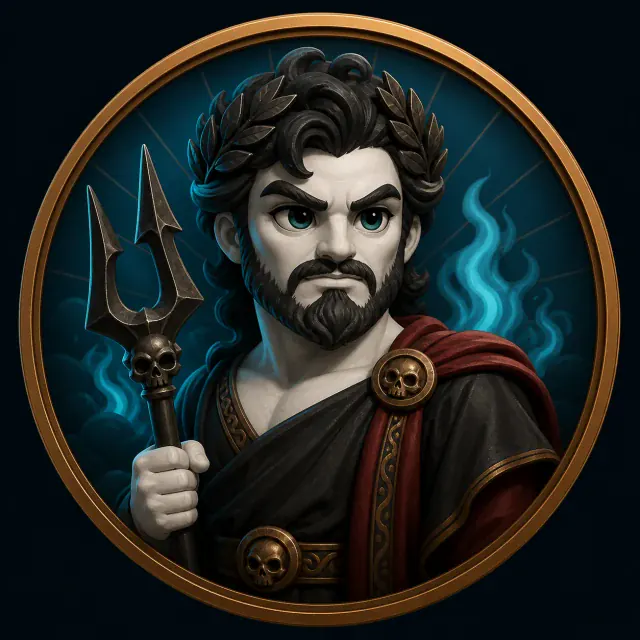
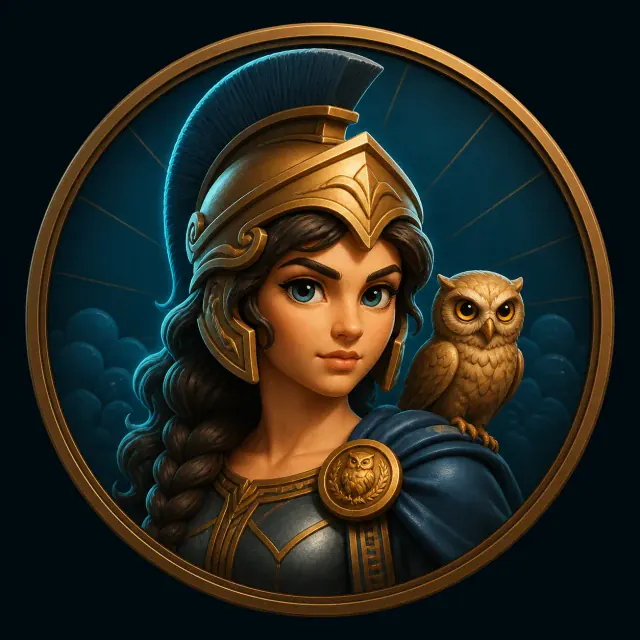
Four Greek ideas, sixteen gods, one card. Twelve choices drawn from Homer, the Homeric Hymns and Euripides decide where your power lives, how you win, where you stand and who it is for. Turn your card over, see its reversed side, then send a sealed challenge to a friend.

  • 12 choices · about 3 minutes
  • Real epithets, linked sources
  • Friend challenge · group pantheon
  • 2 hidden cards · can you find one?

TODAY'S CARD

One card a day. The same card for everyone.

Turn it over for today's quest. It is a prompt, not a prophecy. Come back tomorrow to keep your streak; sixteen days turns over the whole deck.

TWELVE DRAWS

The ancients had the drama. You make the call.

Every choice opens with a scene and its line numbers, so you can read the original. There are no wrong answers and no hero moves to perform: pick what you would actually do.

TWELVE DRAWS · SIXTEEN GODS

Shuffle the pantheon. Draw your card.

Each draw opens with a real scene from Homer, the Homeric Hymns or Euripides, then drops the same dilemma into your week. Pick the move you would actually make.

Draws
12 choices
Deck
16 divine types
Your collection
0 / 16 cards
About three minutes. Entertainment and reflection, not a psychological assessment.

FOUR GREEK IDEAS · FOUR LETTERS

Each letter is a real Greek opposition.

The code reads in a fixed order: realm, method, ground, purpose. CMHX is chthonic, mētis, hearth and xenia: Hephaestus at his hidden forge, building something for a friend.

Letter 1 · Realm

Where does your power live?

OOlympianOlympios · Of Olympus

In the open. Your power works when it is visible: declared, performed, seen and judged.

CChthonicChthonios · Of the earth below

Below the surface. Your power is rooted, interior and private, and it shows itself when it counts.

Greeks honoured some powers on raised altars by day and others at low hearths, in pits or at night. Scholars still debate how sharp that line was, so this axis is a working model.

Iliad 15.187–193 · the three lots ↗

Walter Burkert, Greek Religion (1985), on Olympian and chthonic cult; Scott Scullion, “Olympian and Chthonian” (1994), on how blurred the line could be.
Letter 2 · Method

How do you win?

MMētisMētis · Cunning intelligence

The clever route: strategy, craft, disguise and the angle nobody planned for.

BBiēBiē · Force

The direct route: plain speech, full effort and standing your ground. No tricks needed.

Homer sets the two side by side: Nestor tells his son that a woodcutter, a helmsman and a charioteer all win by mētis rather than biē.

Iliad 23.313–318 · Nestor's advice ↗

Marcel Detienne and Jean-Pierre Vernant, Cunning Intelligence in Greek Culture and Society (1974; English 1978).

Letter 3 · Ground

Where do you stand?

HHearthHestia · The fixed centre

You hold the centre: home base, routine, the promise kept and the place people come back to.

RRoadHermes · The threshold

You cross thresholds: new places and new roles, carrying messages and people between worlds.

One short Homeric hymn calls on Hestia and Hermes together. Vernant read the pair as the Greek model of centre and movement.

Hymn 29 · To Hestia and Hermes ↗

Jean-Pierre Vernant, “Hestia–Hermes: the religious expression of space and movement among the Greeks” (1963), in Myth and Thought among the Greeks.

Letter 4 · Purpose

Who is it for?

KKleosKleos · Renown

For the name: your work, your standing and your rightful share should be seen and remembered.

XXeniaXenia · Guest-friendship

For the bond: you measure power by who it shelters, hosts, protects and repays.

Kleos and xenia are both central Homeric values. Setting them against each other is a MythBranch editorial choice, not an ancient pairing.

Iliad 9.410–416 · Odyssey 6.207–208 ↗

Gregory Nagy, The Best of the Achaeans (1979), on kleos; Moses Finley, The World of Odysseus (1954), on guest-friendship.

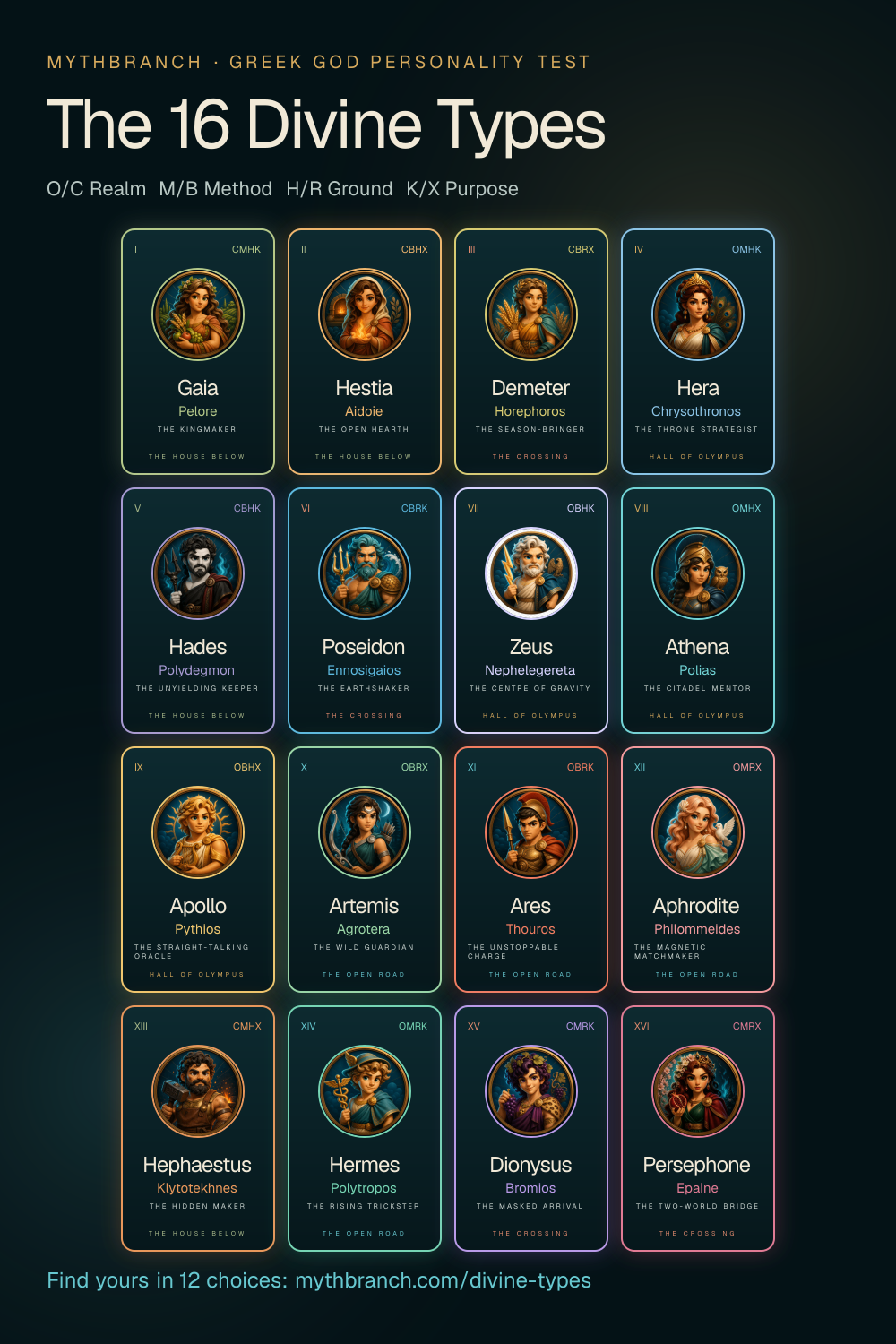
THE DECK · IN FAMILY-TREE ORDER

Sixteen cards, four suits, one family.

The cards run from Gaia, through the six children of Cronus and Rhea in Hesiod's birth order, to the children of Zeus and Persephone. Each suit pairs a realm with a ground.

Your collection

LOCAL TO THIS BROWSER

Your own card, every friend's card from a challenge or a pantheon, and each card page you open turn a card face up. Nothing leaves this browser.

0 / 16 cards turned over

Turn over all four cards of your suit for a gold frame on your share images. Friends' results fill your deck.

Hidden cards 0 / 2 found

  • One card hides behind a name.

  • One card hides in a pattern.

RIG A FRIEND'S CARD

Pick their god. Send a rigged deck.

Choose the card you think a friend deserves. They draw as normal, then a plot twist tells them which card you tried to pin on them and whether the deck agreed. The draw itself is never fixed.

MBTI CROSSOVER

Already know your four letters?

A fan crosswalk from the sixteen MBTI types to the sixteen gods, for fun. The test above measures four Greek ideas, not MBTI, so your drawn card can differ.

136 PAIRINGS

Which gods get along?

The compatibility chart crosses every card with every other: shared letters, the split that starts the arguments and, for the famous pairs, the myth.

Poster of all sixteen divine type cards in family-tree order

THE WHOLE DECK ON ONE POSTER

All sixteen cards, sized for Pinterest.

A tall chart of the full deck in family-tree order. Pin it, print it for a classroom wall, or send it to the friend who still has not taken the test.

FOR THE GROUP CHAT

Build your group's pantheon.

Name the group and send the link. Each friend who takes the test claims a seat and passes the updated link on. The pantheon takes the majority letter on each axis to find the god your group adds up to, and names the pole nobody holds. Teaching? Use the classroom version.

0 of 8 seats filled. Two or more make a council.

HOW THE CARD IS DRAWN

Simple rules, so you can check them.

The scoring is plain enough to do by hand, so any result can be argued with, which is half the fun.

  1. 01

    Three choices per letter

    Each of the four axes gets three choices. Two of the four options in every choice lean one way and two lean the other.

  2. 02

    Majority sets the letter

    Two or three votes for a pole gives you its letter. There are no ties and no hidden weights.

  3. 03

    Clarity and close calls

    A three-to-zero axis is unanimous. Every two-to-one axis names the card you were one choice away from.

  4. 04

    Pairings from the myths

    Allies, antitypes and duo titles come from documented relationships, with later Roman or Hellenistic material labelled as such.

BEFORE YOU ASK THE ORACLE

Questions, answered plainly.

Prefer the values-based version? Find Your Mythic Branch matches you with one of fourteen gods through ten story choices.

01

Is this an MBTI test?

No. The four-letter format is inspired by popular four-letter type tests, but the axes, letters and scoring are MythBranch's own, built from Greek ideas, and the test is not affiliated with the Myers-Briggs Type Indicator. If you already know your MBTI letters, the MBTI crossover pairs each one with a god for fun.

02

Are there hidden cards?

Yes, two, and neither is one of the sixteen. They never change your four letters. One hides behind a name and one hides in a pattern; when you find one, it shows how, and it stays in your collection.

03

What does the match percentage mean?

It counts how many of your twelve answers point to your card's four letters. A two-to-one axis contributes two answers and a unanimous axis three, so the match runs from 67% to 100%.

04

Can I rig a friend's card?

You can try. Pick the god you think a friend deserves and send the rigged link. Their draw stays honest; at the end a plot twist tells them which card you tried to pin on them and whether the deck agreed.

05

Is the Divine Type test scientific?

No. It is entertainment and reflection grounded in ancient texts, not a validated psychological instrument. It does not measure personality disorders, mental health, intelligence or fate.

06

How is my divine type calculated?

Twelve choices load four axes, three choices each. The majority on each axis gives one letter, and the four letters name one of sixteen cards. Clarity counts how many axes were unanimous, and every two-to-one axis shows the god you were one choice away from.

07

Why these sixteen gods?

They are Gaia, the six children of Cronus and Rhea in Hesiod's birth order, the children of Zeus on Olympus, and Persephone. The deck runs in family-tree order, and every god has a full profile in the MythBranch atlas.

08

Are the epithets real?

Yes. Each card uses an epithet attested in ancient literature or cult, such as Athena Polias or Poseidon Ennosigaios, and links to the text where it appears. Placements that are editorial judgements are marked on each card's page.

09

How does the friend challenge work?

Your challenge link carries only your twelve answers. Your friend sees a face-down card, guesses which god you drew, answers the same choices, and both cards turn over together with your pairing, the letters you share and the first choice where you split. They can send their verdict back to you in one link.

10

Which divine types are compatible?

Every one of the 136 pairings has its own page on the compatibility chart, showing the letters two cards share, where they split and, where one exists, the myth that ties the two gods together.

11

Do you store my answers?

No accounts and no answers are kept on a server. Your last card and your deck are saved in your own browser. When you finish, the site adds one to an anonymous tally for your four-letter code, with no answers, names or identifiers, so each card can show how rare it is once enough people have played. Cookie-free page analytics also count events such as finishing a draw and which card came up, never your choices or who you are.