Freedom
Choosing your own route and resisting scripts that do not fit.
THE CLASSICS JUST ENTERED THE GROUP CHAT
Ever asked yourself, “Which Greek god am I?” Ten legendary messes and ten source-backed choices reveal your closest mythic branch. Earn an epithet, send the same dilemmas to a friend, then unlock the ancient moment where your paths split.
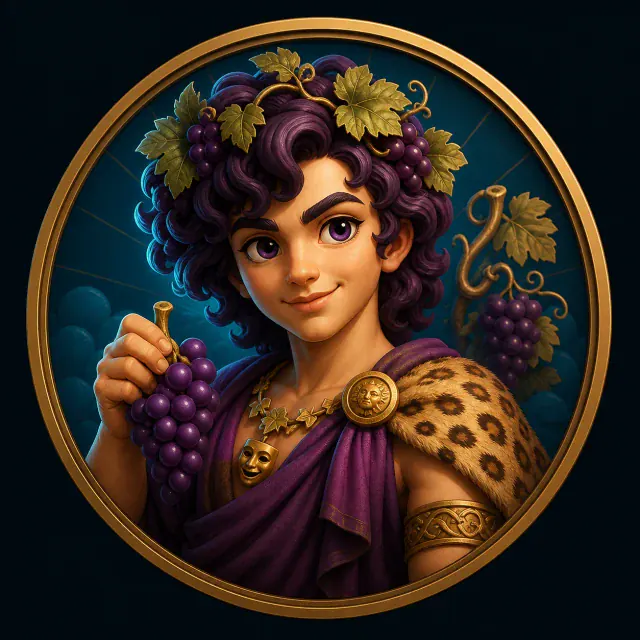 ✦ Dionysus
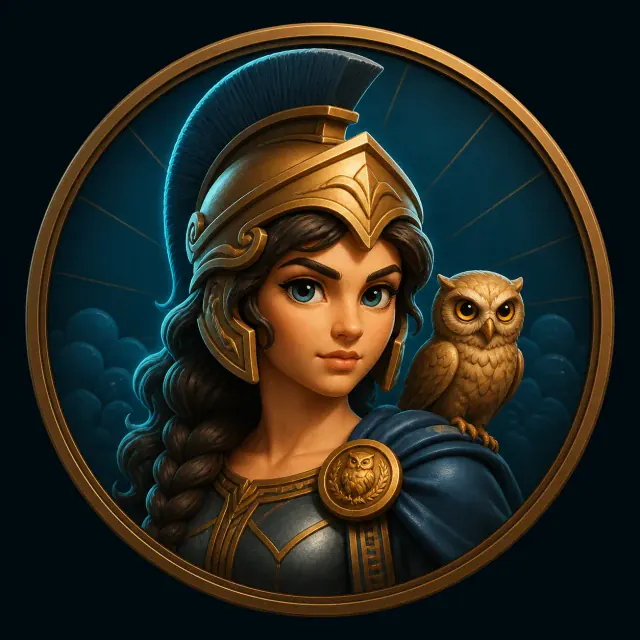 ◇ Athena
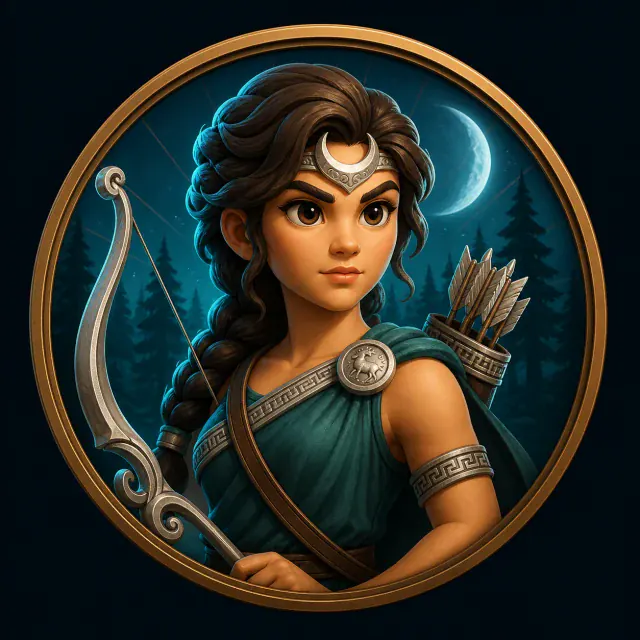 ☾ Artemis
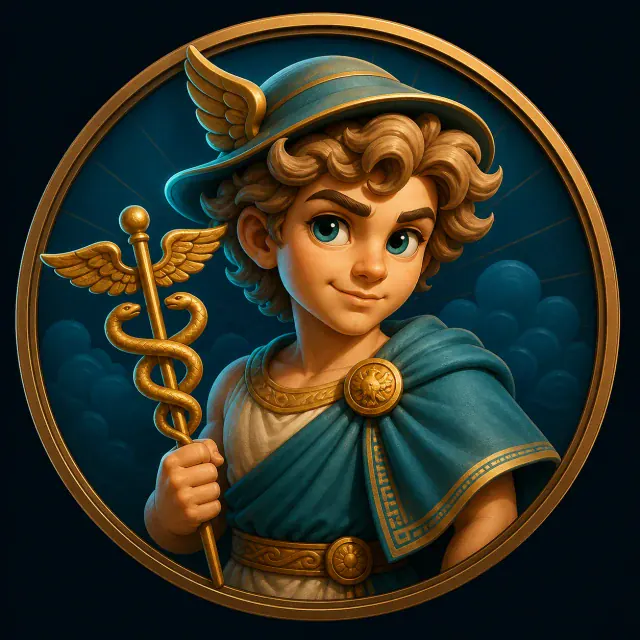 ↗ Hermes
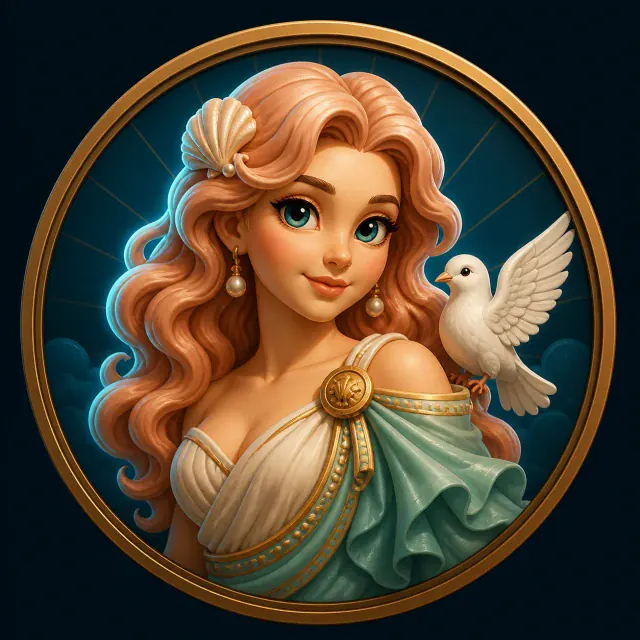 ♡ Aphrodite
They took your credit.
In public.
10 ANCIENT DILEMMAS, REMIXED
Every question begins with a specific classical scene, then drops the same human conflict into life now. Finish your path, seal it in a link, and see whether a friend makes the same calls.
The gods bring the drama.
You make the call.
YOUR PERSONAL MYTH DROP
Ten plot twists come straight from epic, hymns, and tragedy—then land in your group chat, classroom, campus, and creative life. Pick the move that feels most like you, not the one that sounds heroic.
RECEIPTS, NOT VIBES ALONE
The ten question scenes come from Homer's Iliad and Odyssey, the Homeric Hymns to Hermes and Demeter, Sophocles' Antigone, and Euripides' Bacchae. Each prompt names its work and passage before translating the conflict—power, belonging, reputation, freedom, care, or identity—into a recognizable choice.
Hesiod's Theogony, Homeric epic, ancient hymns, and drama also shape the fourteen result profiles. These sources help correct modern shortcuts: Aphrodite is not a beauty score, Ares is not strategic warfare, and Hera is more than jealousy.
Questions were selected for dilemmas with several defensible responses, then scored across six motivational signals. The value framework is research-informed, while the deity crosswalk is MythBranch editorial interpretation. This is literary entertainment and guided reflection—not a scientific, clinical, or diagnostic personality assessment.
Each question names the ancient work and passage, gives you the plot setup, and links directly to the classical text.
The same tension lands in a group project, public callout, campus rule, creative scene, dream offer, or future choice.
Freedom, discovery, craft, influence, care, and stability form a pattern across all ten choices.
Fourteen divine profiles are compared. Your result links back to ancient evidence, shadow traits, and a full family branch.
Choosing your own route and resisting scripts that do not fit.
Seeking novelty, movement, intensity, and transformation.
Building skill, solving hard problems, and making ideas work.
Shaping decisions, directing energy, and changing the room.
Protecting people, places, and futures beyond yourself.
Creating continuity, boundaries, safety, and shared order.
MEET THE FULL MYTHIC ROSTER
Every branch gets a power move and a shadow. The archetype names are modern lenses; the divine domains, family lines, and myth corrections come from ancient evidence.
You do not rush the maze. You redraw it.
Meet this branch ↗Your freedom is not an escape. It is a habitat.
Meet this branch ↗You make the signal clear enough to follow.
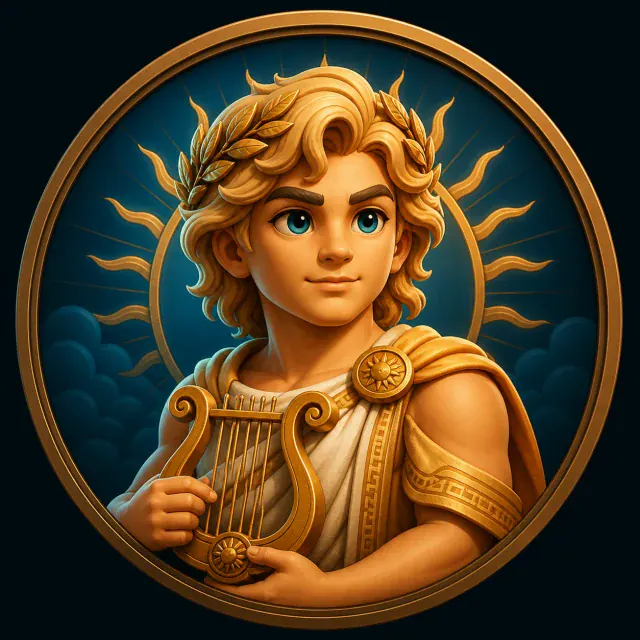 Meet this branch ↗
You know attraction is a force, not a filter.
Meet this branch ↗You would rather meet the moment than narrate it.
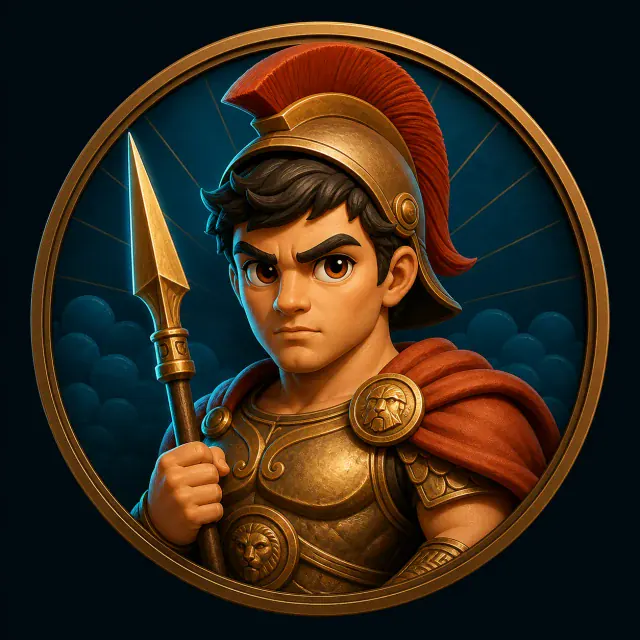 Meet this branch ↗
Your care feeds worlds—and it has boundaries.
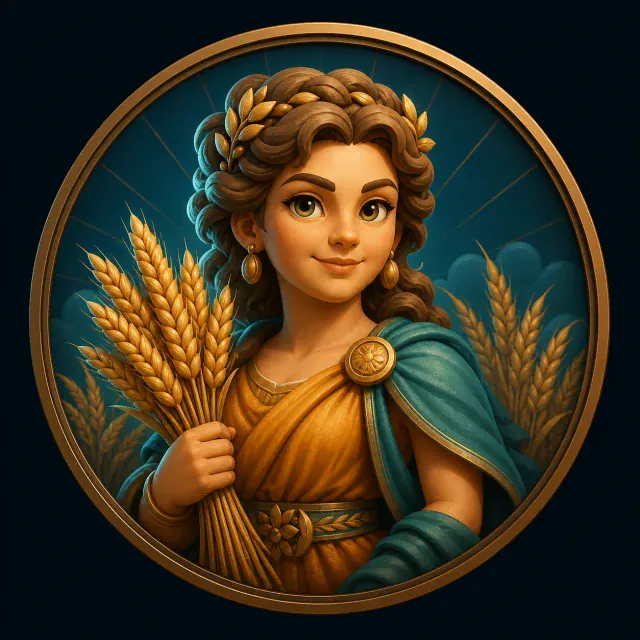 Meet this branch ↗
You make room for the self that daylight edits out.
Meet this branch ↗You trust what can survive the forge.
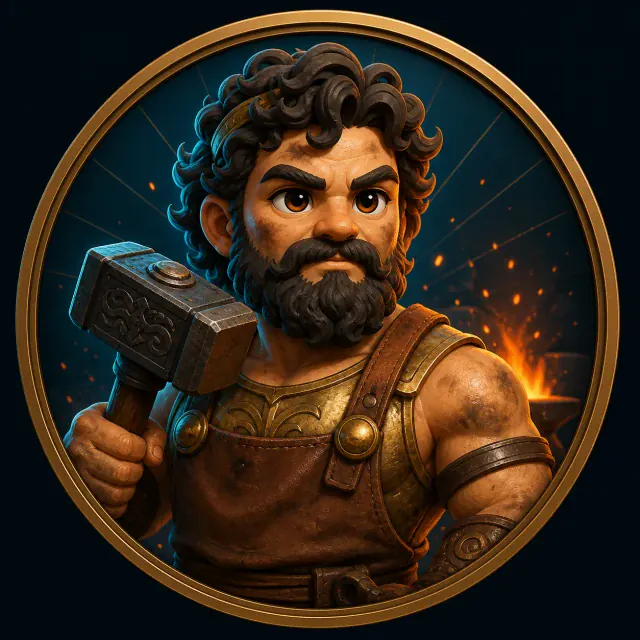 Meet this branch ↗
You know a promise changes the shape of a room.
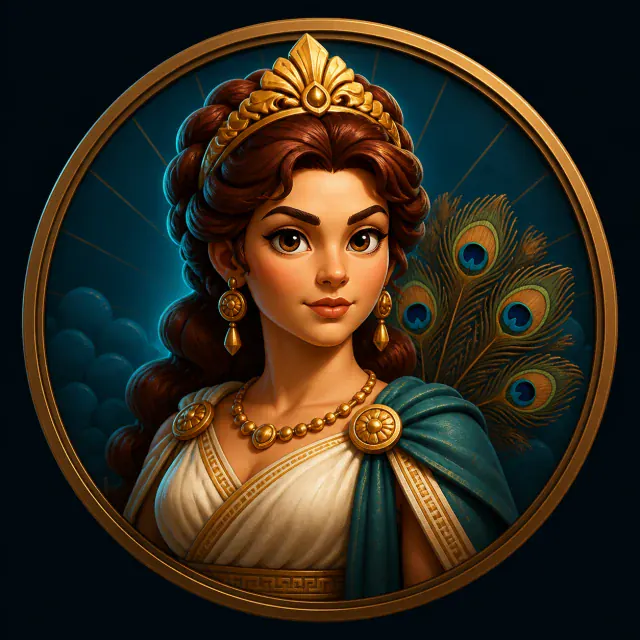 Meet this branch ↗
You find the door everyone else called a wall.
Meet this branch ↗You make belonging feel structurally possible.
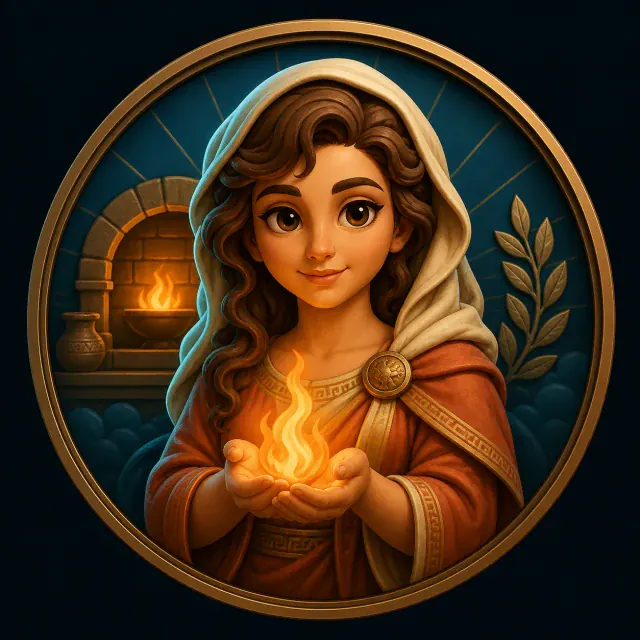 Meet this branch ↗
Your emotional weather changes coastlines.
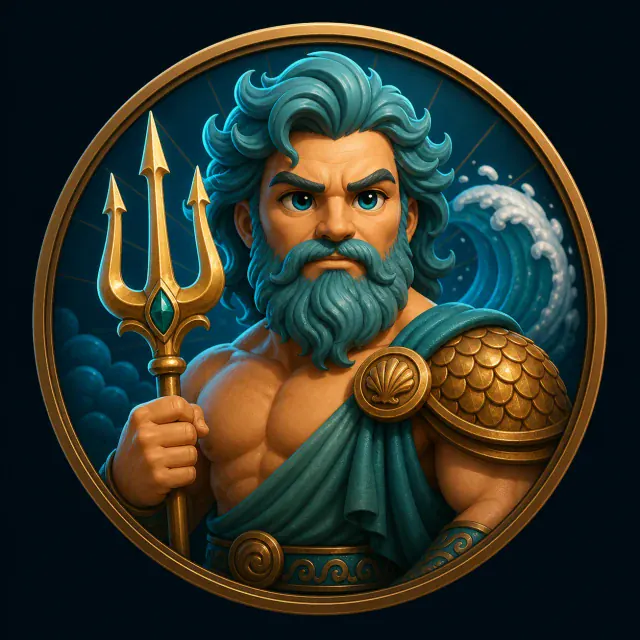 Meet this branch ↗
You see the system—and reach for the lever.
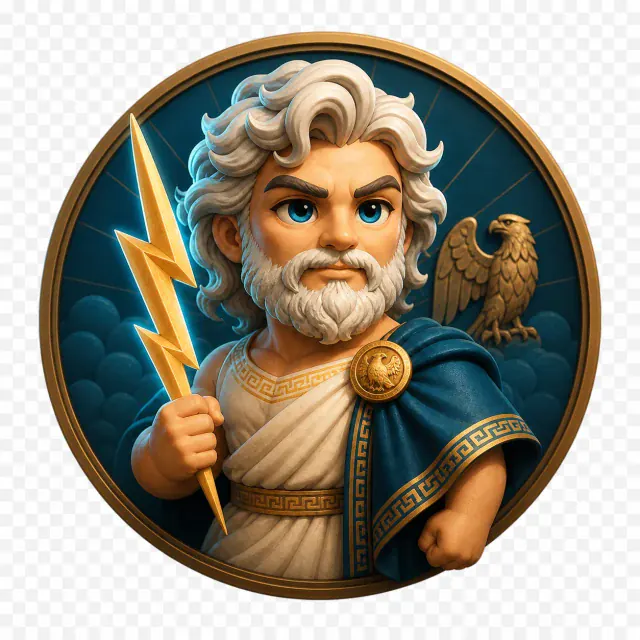 Meet this branch ↗
You understand that every threshold needs a keeper.
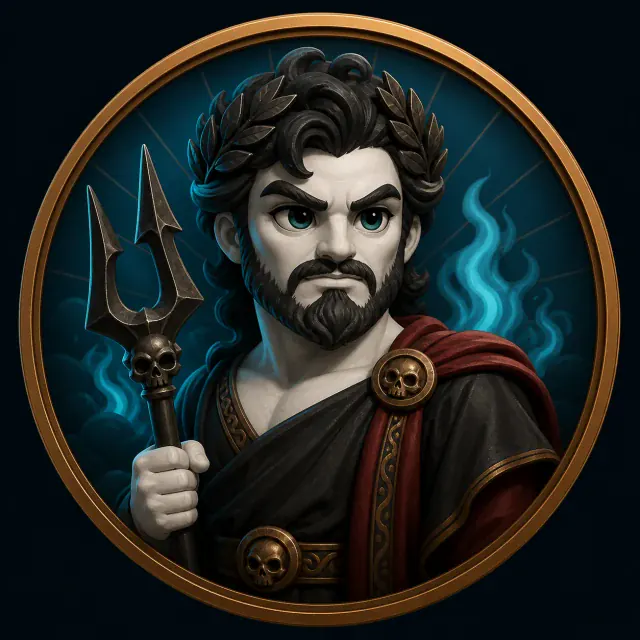 Meet this branch ↗
Want a four-letter code? The 16 Divine Types reads twelve choices through four Greek oppositions (Olympian or chthonic, mētis or biē, hearth or road, kleos or xenia) and deals you one of sixteen cards, with a reversed side and a friend challenge.
Draw your divine type ↗BEFORE YOU ASK THE ORACLE
No. It is a research-informed entertainment experience, not a diagnostic or validated psychological instrument. It adapts the idea of a motivational value continuum and combines it with editorial readings of ancient Greek texts.
Ten source-anchored story choices build a pattern across self-direction, stimulation, achievement, influence, care, and stability. That pattern is compared with fourteen source-led deity profiles, with a smaller direct affinity signal used to resolve close matches.
MythBranch checks modern labels against ancient works including Hesiod, Homer, the Homeric Hymns, and Greek drama. That is why Hera is more than jealousy, Aphrodite is more than beauty, and Hades is not treated as a devil.
Evidence boundary: the value framework is research-informed; the deity crosswalk is MythBranch editorial interpretation. This experience does not reproduce a validated values instrument and does not measure mental health, personality disorders, intelligence, or destiny.
Read the values study ↗