MythBranch · Figure entry
Echidna in Greek Mythology
Echidna in Greek mythology: half nymph and half serpent, mate of Typhon and mother of Cerberus, the Hydra, the Chimera and Orthus, with her other children.
The short answer
Who is Echidna in Greek mythology?
Echidna is half a beautiful nymph and half a huge speckled serpent who lives in a cave under the earth. With Typhon she becomes the mother of the most famous monsters in Greek myth: Orthus, Cerberus, the Lernaean Hydra and the Chimera. Through her son Orthus she is also the mother or grandmother of the Sphinx and the Nemean lion, so many of the heroes' great labours are fights with her family.
Half nymph, half serpent
Hesiod describes her as a nymph with glancing eyes and fair cheeks above, and below a great and terrible snake, speckled, eating raw flesh in the depths of the earth. She lives in a cave far from gods and men, among the Arimoi, and the gods gave her this home to be deathless and ageless for ever.
Her name simply means viper. Hesiod's sentence introducing her is ambiguous: the she who bears her is usually read as Ceto, wife of Phorcys, which makes Echidna a sister of the Gorgons, though some read the Oceanid Callirrhoe.
The children of Echidna and Typhon
Echidna mates with Typhon, the storm monster who fought Zeus. Hesiod lists their children: Orthus, the hound of Geryon; Cerberus, the fifty-headed dog of Hades; the Hydra of Lerna, raised by Hera to trouble Heracles; and the fire-breathing Chimera killed by Bellerophon and Pegasus.
She then bears the Sphinx and the Nemean lion to Orthus, though the line could also refer to the Chimera. Later writers add more: Apollodorus makes the eagle that ate Prometheus' liver and the Crommyonian sow killed by Theseus her children.
A family the heroes fight
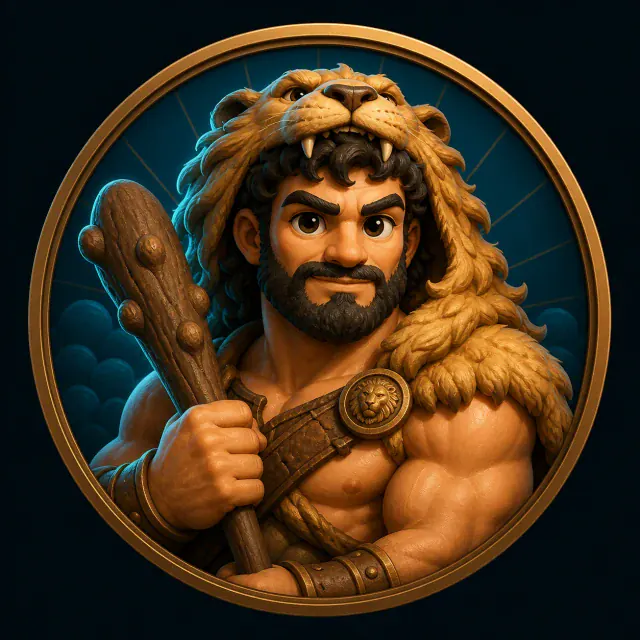
Heracles alone fights four of her offspring: the Nemean lion, the Hydra, Orthus and Cerberus. Bellerophon kills the Chimera, Oedipus defeats the Sphinx and Theseus the sow. Hesiod's genealogy turns separate adventures into a single campaign by Zeus's sons against the old monstrous brood of Earth.
Echidna herself is killed in Apollodorus by Argus, the hundred-eyed watchman, who surprises her asleep. Hesiod, by contrast, calls her deathless.
The snake-woman of Scythia
Herodotus tells a Greek story of the Scythians' origin. Heracles, driving Geryon's cattle, falls asleep in the land of Hylaea, and his horses vanish. He finds them with a creature who is a woman above and a snake below. She keeps them until he sleeps with her, and their three sons include Scythes, founder of the Scythian kings.
Herodotus does not name her, but later writers identified her with Echidna. The spiny egg-laying mammals of Australia and New Guinea also carry her name.
Among the Arimoi
Hesiod places Echidna's cave among the Arimoi, and the Iliad uses the same name for the place where the earth groans under Zeus's lash around Typhoeus, where men say his bed is. The pair share a home deep under the ground.
Ancient readers could not agree where the Arimoi were. Suggestions included Cilicia, Syria, Lydia and volcanic regions of Italy, all places with caves, earthquakes or fire that seemed to suit the monsters below.
Where the versions differ
Greek myth has no single authorised text. These are the points where the sources for Echidna disagree.
- Mother
- Hesiod's ambiguous line is usually read as Ceto; some read Callirrhoe. Apollodorus makes her a daughter of Tartarus and Earth. HesiodApollodorus
- Death
- Hesiod: deathless and ageless. Apollodorus: killed by Argus in her sleep. HesiodApollodorus
- Sphinx and lion
- Their mother is Echidna by Orthus, or the Chimera, depending on how Hesiod's pronoun is read. Hesiod
Echidna's family ledger
Every line below is a cited assertion in the MythBranch knowledge graph. Variant and later traditions stay labelled, so a disputed parent never looks settled.
Parents
CetoArchaic Greek · Variant tradition
The 'she' who bears Echidna in Theogony 295–297 is usually read as Ceto; some read Callirrhoe.
CallirrhoeArchaic Greek · Variant tradition
A minority reading of Theogony 295–297 makes Callirrhoe Echidna's mother.
Partners
TyphonArchaic Greek · Explicit testimony
A major monster-generating pair in Hesiod.
Children
OrthusArchaic Greek · Explicit testimony
Offspring of Typhon and Echidna in Hesiod.
CerberusArchaic Greek · Explicit testimony
Offspring of Typhon and Echidna in Hesiod.
Lernaean HydraArchaic Greek · Explicit testimony
Offspring of Typhon and Echidna in Hesiod.
ChimeraArchaic Greek · Explicit testimony
Offspring of Typhon and Echidna in Hesiod.
2 branches from Zeus
The shortest cited route from Zeus to Echidna through the graph. MythBranch Daily scores every guess with this same count.
- 01
Zeus faces TyphonHesiod, Theogony 820–880 ↗
Typhon → - 02
Typhon and Echidna are partnersHesiod, Theogony 270–336 ↗
Read on in the atlas
Illustrated profiles for the figures Echidna's stories depend on.
Questions about Echidna
Who are Echidna's children?
With Typhon: Orthus, Cerberus, the Hydra and the Chimera. With Orthus: the Sphinx and the Nemean lion. Later sources add others.
Who are Echidna's parents?
Hesiod's wording is ambiguous; most read Phorcys and Ceto, which makes her a sister of the Gorgons.
Is Echidna related to Medusa?
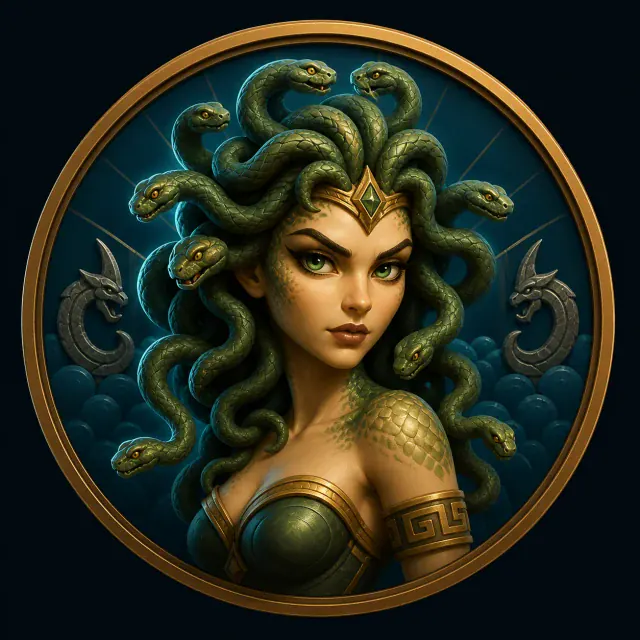
If Ceto is her mother, as most readers take Hesiod to mean, Echidna and Medusa are sisters.
Who killed Echidna?
Argus Panoptes, in Apollodorus. Hesiod calls her immortal.
Sources and editions
- Homer, Iliad 2.780–785 ↗
The earth groans around Typhoeus among the Arimoi.
- Hesiod, Theogony 295–332 ↗
Echidna's form, home, mate and children.
- Apollodorus, Library 2.1.2; 2.5.11; Epitome 1.1 ↗
Argus kills Echidna; the eagle of Prometheus and the Crommyonian sow as her children.
- Herodotus, Histories 4.8–10 ↗
Heracles and the snake-woman of Hylaea, mother of Scythes.
- Timothy Gantz, Early Greek Myth (1993) ↗
Echidna's genealogy and the Hesiodic monster family.
Passage references point to the ancient evidence; the summaries and readings are MythBranch's. Cite the edition you consult.