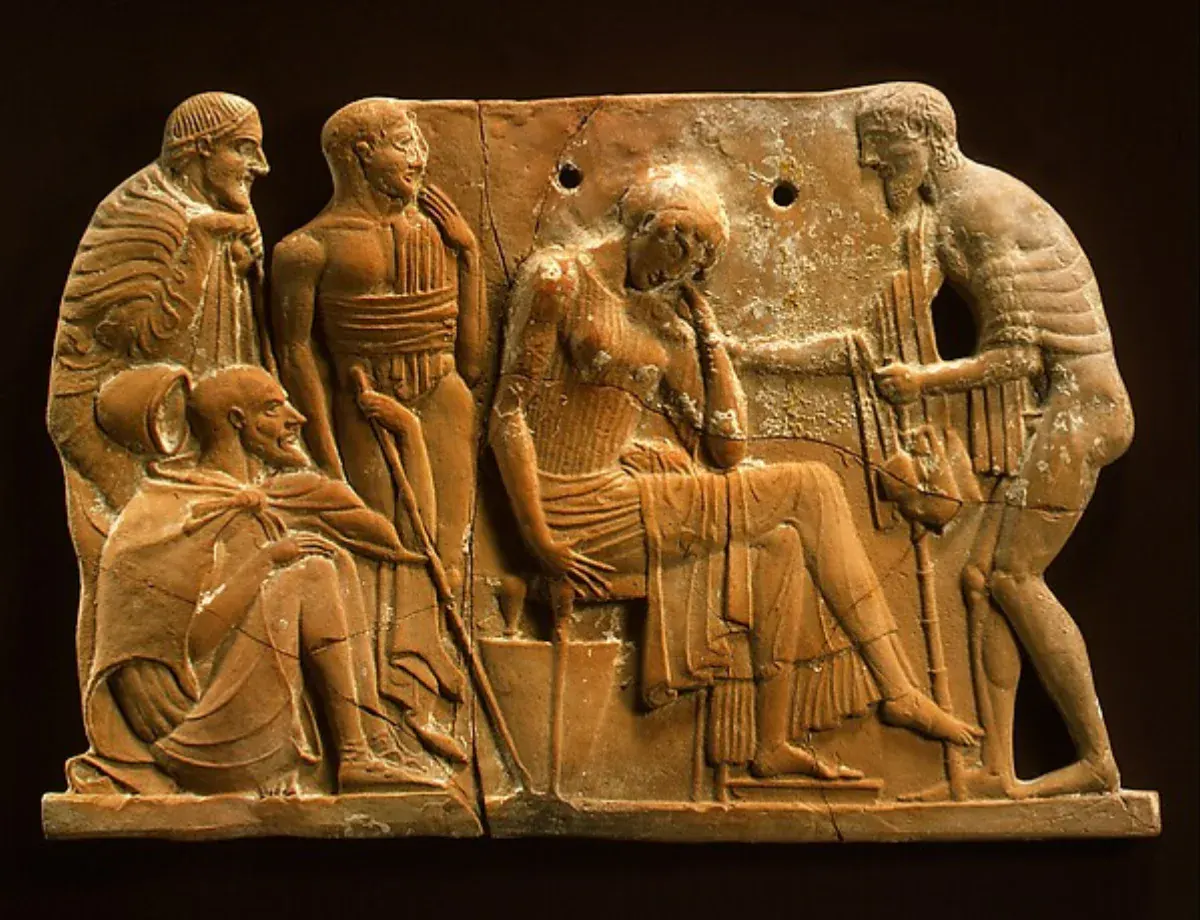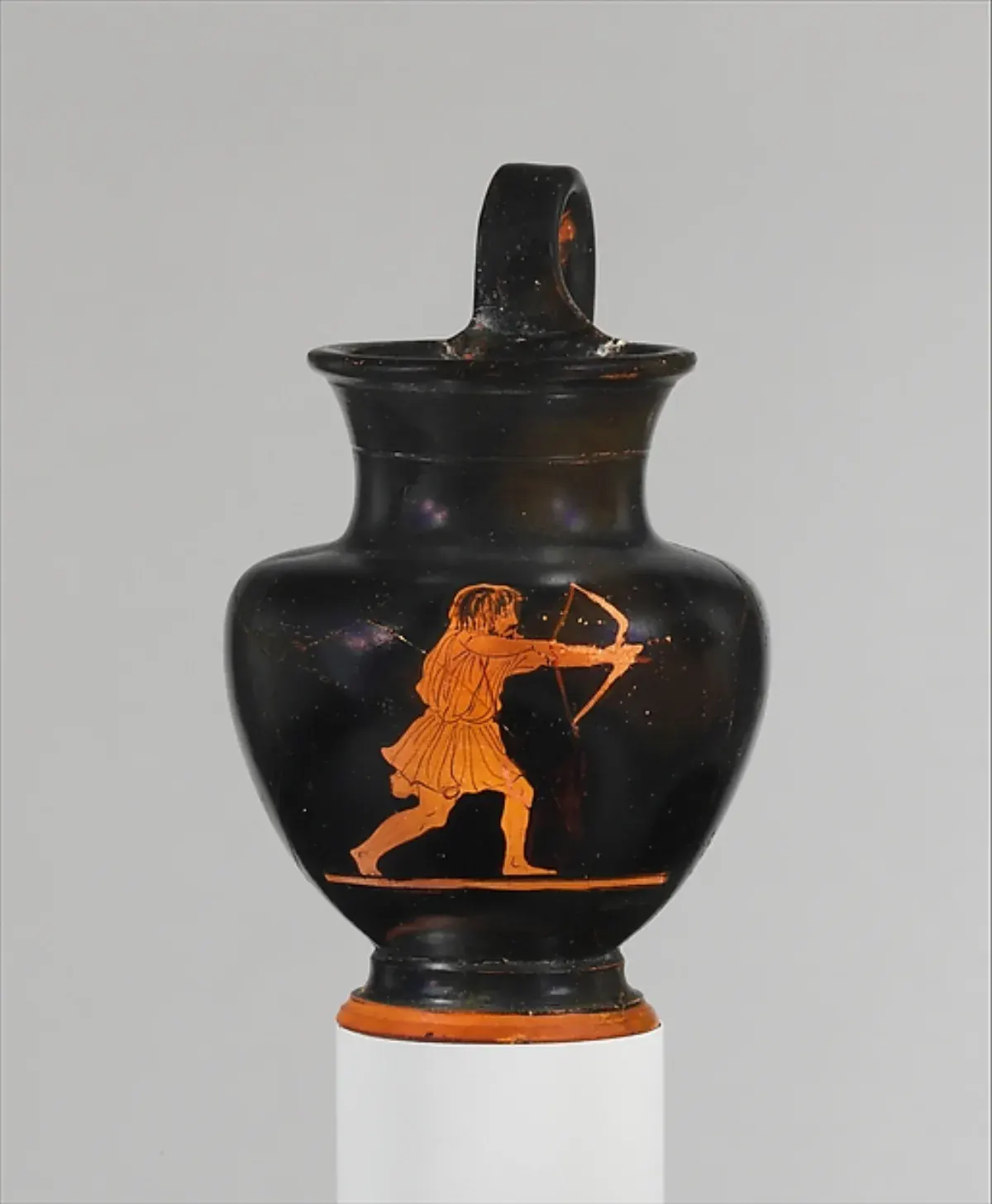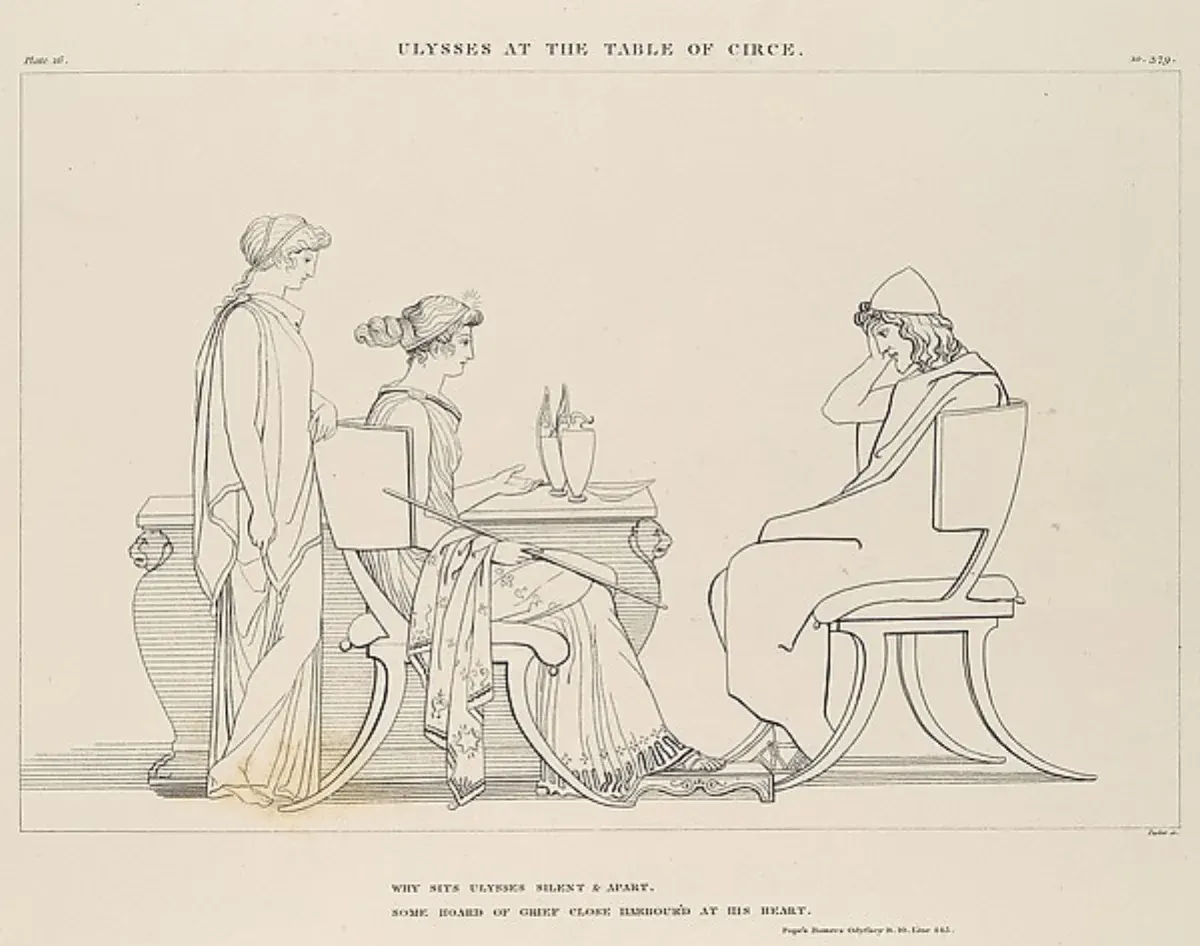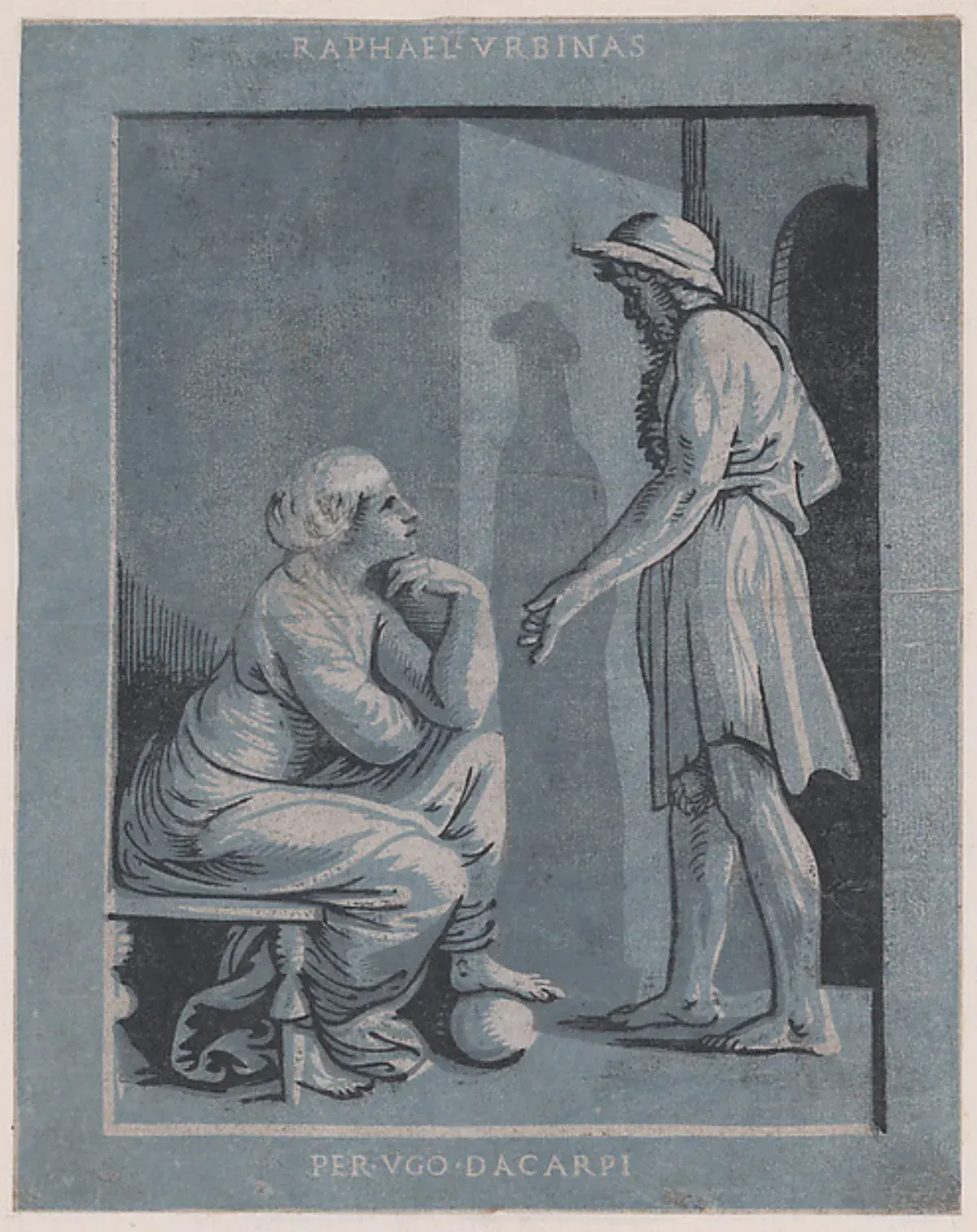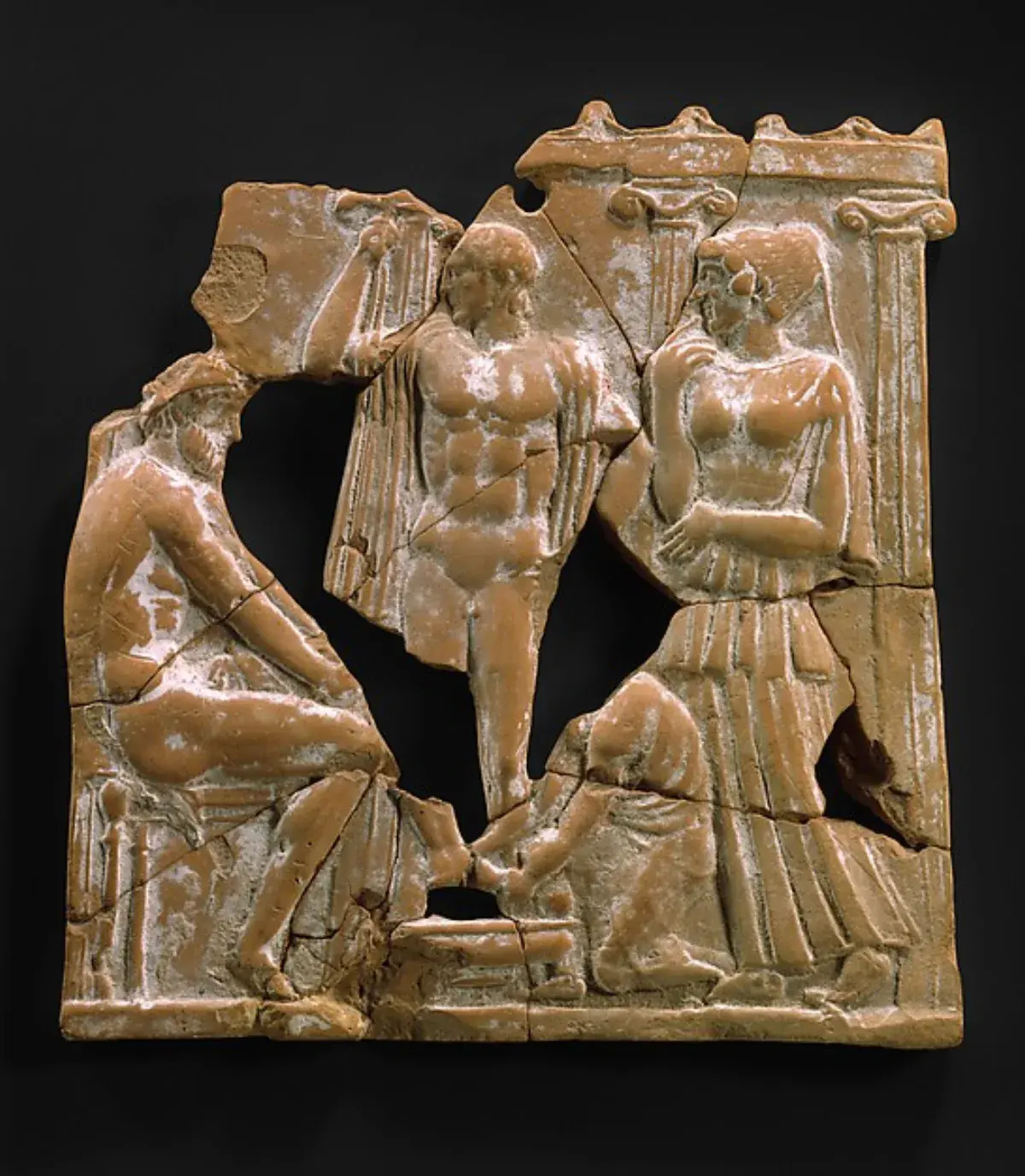
HERO · 01
Illustrated portrait of Odysseus

Portrait from the MythBranch atlas
Interpretive illustration, not an ancient likeness

Greek hero research profile · cited sources

Odysseus

Ulysses · Cunning, endurance & homecoming

Odysseus is the king of Ithaca whose intelligence wins battles but cannot spare him the costs of war, wandering, and return. The Iliad knows him as a persuasive commander; the Odyssey makes him a many-sided survivor, storyteller, husband, father, raider, suppliant, and avenger whose celebrated cunning is never morally simple.

Names · attributes · ancient evidence

Odysseus: identity and historical contexts.

Odysseus belongs to the heroic world of the Trojan War, but his defining excellence is mētis: adaptive intelligence expressed through speech, disguise, timing, craft, and self-control. In the Odyssey, physical endurance matters as much as cleverness. He survives shipwreck, captivity, temptation, hostile hosts, and the slow work of being recognized again. Ithaca gives the story its direction: the hero’s goal is not endless adventure but the recovery of household, kingship, kinship, and a place among the living.

Greek epic calls him Odysseus; Roman and later European traditions often call him Ulysses. Ancient texts disagree about some episodes, motives, and descendants, while later writers repeatedly detach him from Homer’s homecoming. Dante makes Ulysses sail beyond legitimate limits, Tennyson turns him toward restless exploration, and Joyce maps the epic onto one ordinary day. Those are influential receptions, not missing chapters of the Odyssey.

01Polytropos · Of many turns02Polymētis · Of many counsels03Polytlas · Much-enduring04Ptoliporthos · Sacker of cities05Laertiades · Son of Laertes
01

Homer's household is the stable core

The Odyssey consistently presents Laertes and Anticleia as Odysseus's parents, Penelope as his wife, and Telemachus as their son. That four-generation Ithacan line should remain visually distinct from companions, rivals, divine patrons, and hosts.


02

The House of Atreus is a comparison, not ancestry

Agamemnon and Menelaus belong to the separate Atreid dynasty. Their war leadership and troubled returns repeatedly illuminate Odysseus's story, but Atreus is not a parent or grandparent of Odysseus in the standard genealogies.

03

Later children require source labels

Telegonus by Circe belongs to the lost Telegony tradition; other poems and mythographers add further children by Circe, Calypso, Penelope, or the Thesprotian queen Callidice. The page records those branches without merging them into Homer's household.

Texts · chronology · variant traditions

Selected ancient narratives involving Odysseus.

The Odyssey is not a travel checklist. Each encounter tests a social practice—hospitality, command, memory, restraint, loyalty, or justice—and repeatedly asks what kind of person can return from war without simply bringing war home.

01

Trojan War

The strategist at Troy

The Iliad presents Odysseus as a fighter, envoy, organizer, and persuasive speaker who can restore order when the Greek coalition fractures. The Odyssey looks back on his control inside the wooden horse, where he prevents the hidden warriors from answering Helen’s imitated voices.

Homeric tradition: Iliad ↗Homeric tradition: Odyssey ↗
02

Early wandering

Nobody and the Cyclops

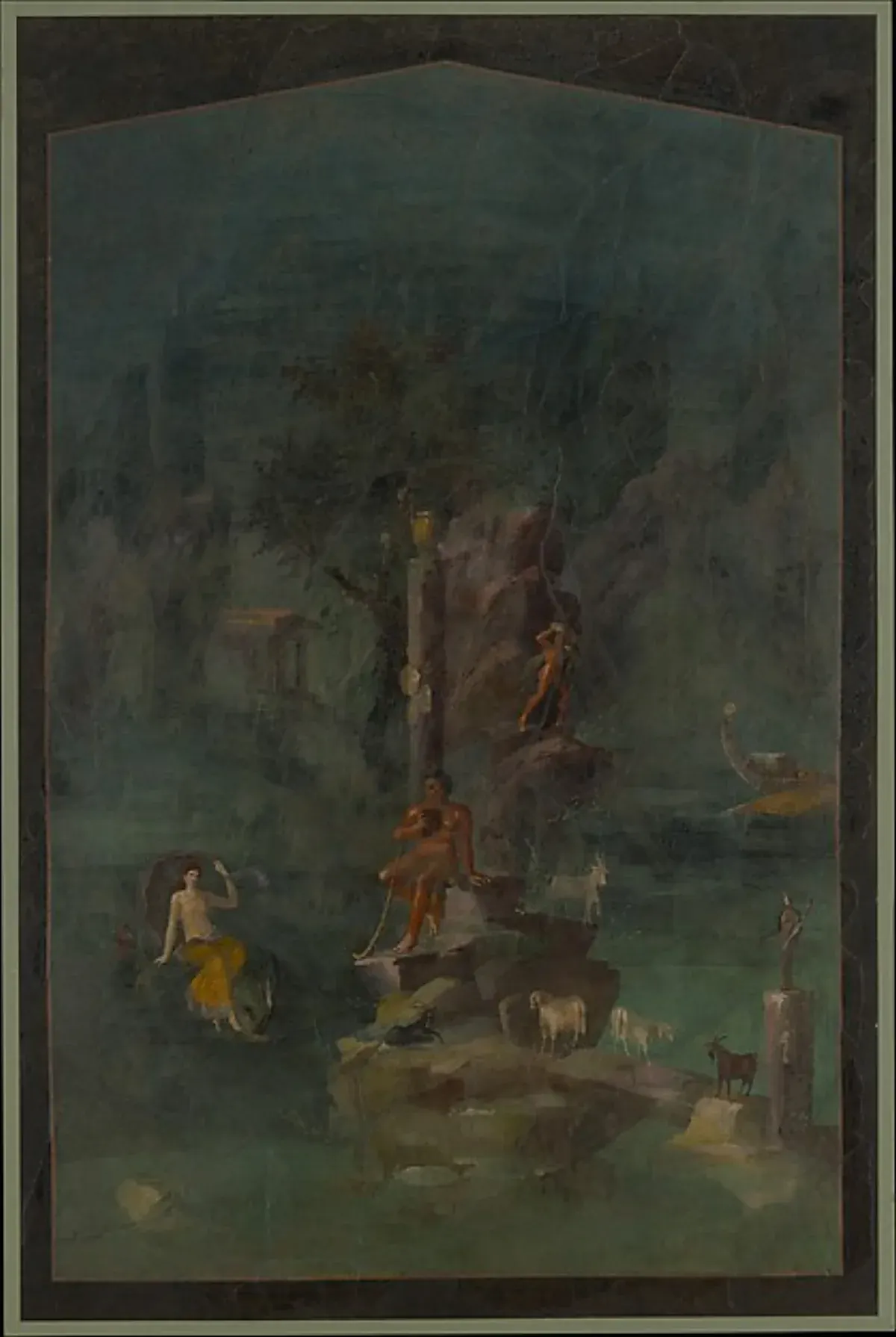
Trapped in Polyphemus’s cave, Odysseus uses the false name ‘Nobody,’ wine, a sharpened stake, and the giant’s own sheep to escape. Once at sea, he reveals his real name, enabling Polyphemus to ask Poseidon to punish the voyage.

Homeric tradition: Odyssey ↗
03

Middle wandering

Circe and the road to the dead

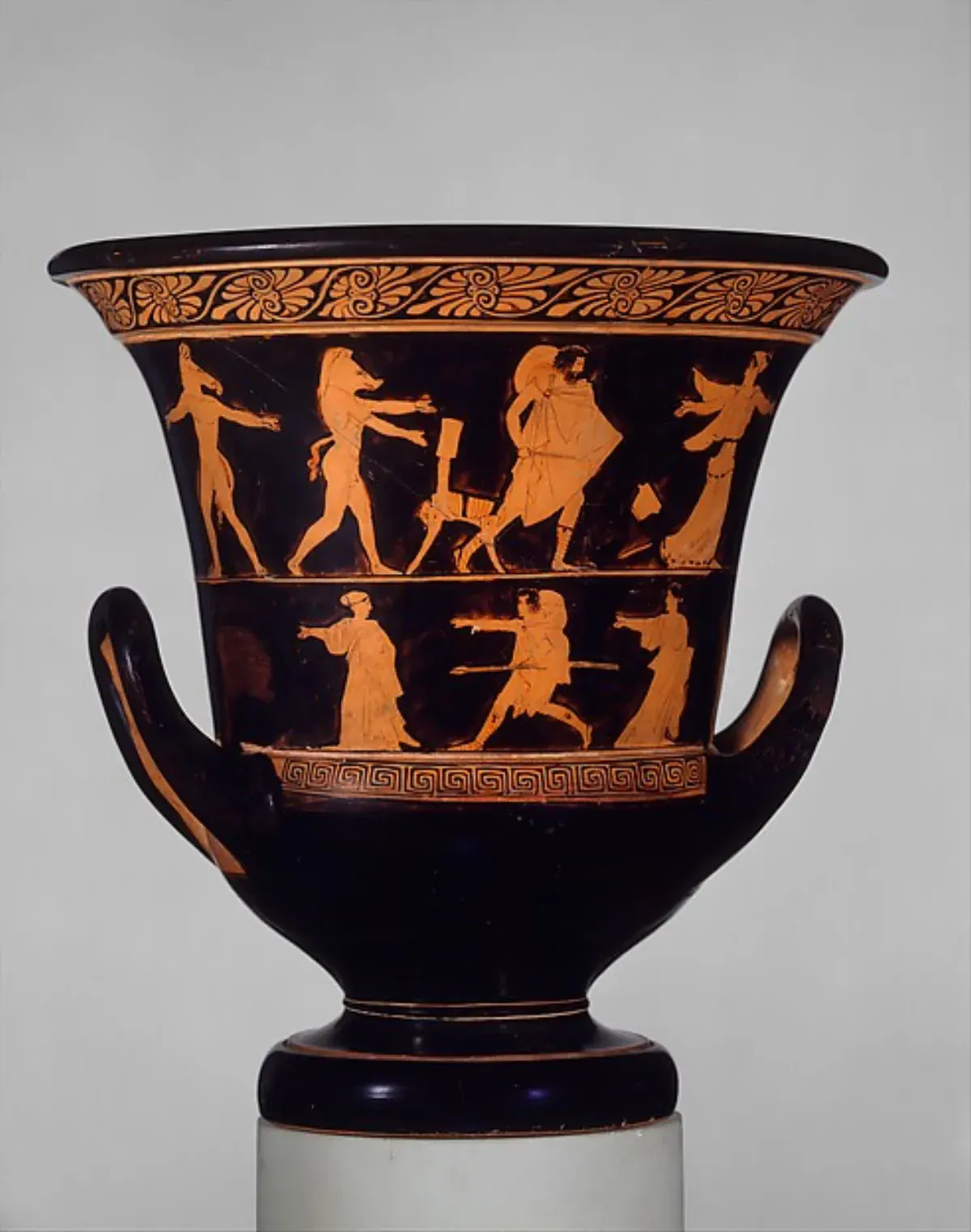
With Hermes’s aid, Odysseus resists Circe’s drug, secures the restoration of his transformed companions, and remains on her island for a year. Circe then directs him to consult the dead seer Tiresias before sailing onward.

Homeric tradition: Odyssey ↗
04

Passage toward Ithaca

The Sirens, Scylla, and the limits of command

Odysseus hears the Sirens while bound to the mast, then loses men to Scylla and later the cattle of Helios despite explicit warnings. His narrative distinguishes choices he controls from disasters, divine pressures, and disobedience he cannot fully master.

Homeric tradition: Odyssey ↗
05

Ithaca

The beggar returns

Athena disguises Odysseus while he tests servants, approaches Penelope indirectly, and waits for the moment to reveal himself. Recognition comes through different signs: Argos’s memory, Eurycleia’s knowledge of his scar, Telemachus’s trust, the bow, and finally the rooted marriage bed.

Homeric tradition: Odyssey ↗
06

Restoration of the household

The bow and the contested ending

Odysseus wins the bow contest and kills the suitors with Telemachus and loyal servants. The poem then confronts the danger of retaliatory feud before Athena imposes peace; the hanging of the enslaved maids remains one of the ending’s most disturbing acts.

Homeric tradition: Odyssey ↗

Genealogical records and atlas relationships

Genealogical evidence and variant traditions.

The Odyssey organizes Odysseus through a remembered line of descent and return: Arcesius precedes Laertes; Laertes and Anticleia are Odysseus's parents; Penelope is his wife; and Telemachus is their son. War companions and dangerous hosts create a second network that is narrative rather than genealogical.

Parents, sibling, and ancestry

05

LaertesFather in Homeric tradition

AnticleiaMother

CtimeneSister named in Odyssey 15

ArcesiusPaternal grandfather

AutolycusMaternal grandfather

Household at Ithaca

02

PenelopeWife and co-keeper of the household

TelemachusTelemachus

Trojan War network

03

Later branches and encounters

04

CirceHost, lover, and mother in later traditions

TelegonusSon by Circe in the Telegony

CalypsoDetaining goddess; children appear in later sources

PolyphemusPolyphemus
Genealogy note

The solid atlas line now connects Odysseus to Telemachus. Homer presents Laertes and Anticleia as Odysseus's parents and Penelope as his wife, although those three people are documented rather than drawn as atlas nodes. The later Circe–Telegonus branch is labeled separately: it belongs to cyclic and mythographic traditions, not to the family line stated in Homer's Odyssey.

Open the interactive branch ↗

Text · stage · screen · scholarship

Selected works concerning Odysseus in later reception.

Odysseus can be a home-seeker, a dangerous rhetorician, a transgressive explorer, an exhausted modern citizen, or the absent center of someone else’s testimony. The works below are selected for the precision of what they change.

  1. c. 700 BCEOdysseyHomecoming becomes the hero’s defining form.
  2. c. 1320Inferno XXVIDante sends Ulysses beyond home and limit.
  3. 1842UlyssesTennyson turns the king toward one more journey.
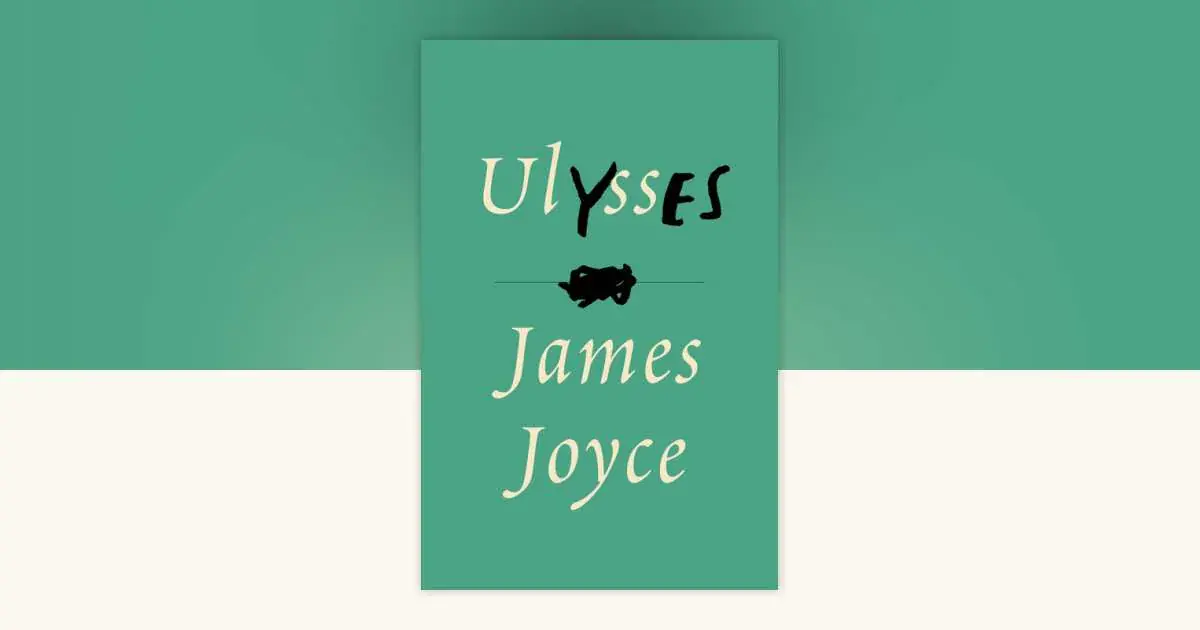
  4. 1922UlyssesJoyce compresses epic wandering into Dublin.
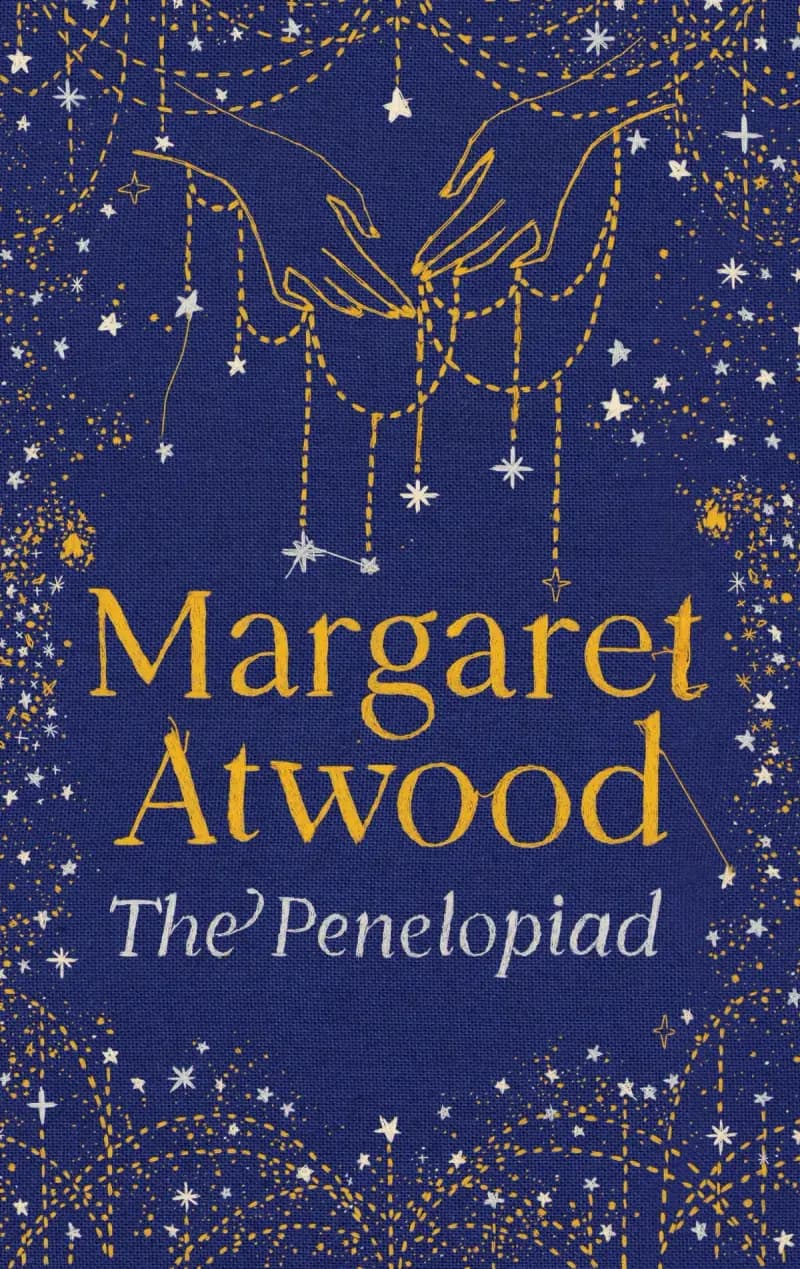
  5. 2005The PenelopiadPenelope and the maids answer the returned hero.
  6. 2023The OdysseyA national stage project disperses the epic across Britain.
01

Selected bibliography

Ancient epic & drama

02 works
02

Selected bibliography

Literary afterlives

03 works
03

Selected bibliography

Modern retellings & stage

02 works

When modern book covers or publicity images are shown, they appear at small scale for identification and criticism; copyright remains with the named rights holders. Public-domain context images are explicitly labeled.

Sources and documentation

Primary texts, scholarship, and catalogue records.

Dates follow conventional scholarly ranges. Cover thumbnails identify modern editions; they do not represent the original material form of an ancient text. Links lead to university archives, publishers, and museum catalogues.

Ancient source

3
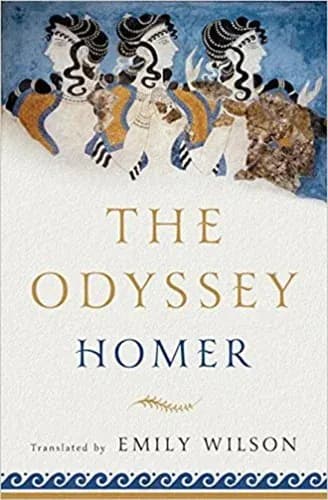
  1. Cover of Emily Wilson's Norton translation of the OdysseyW. W. Norton edition
    Odyssey↗

    Homeric tradition · late 8th–early 7th century BCE

    The central surviving poem of Odysseus’s wandering, return, household, and contested restoration.
    Edition shownEmily Wilson translation · W. W. Norton, 2018
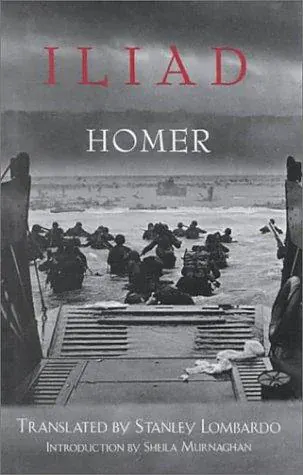
  2. Cover of Stanley Lombardo's translation of the IliadHackett edition
    Iliad↗

    Homeric tradition · late 8th–early 7th century BCE

    Book 2 shows Odysseus at Troy as commander, envoy, speaker, and stabilizer of the Achaean coalition.
    Edition shownStanley Lombardo translation · Hackett, 1997
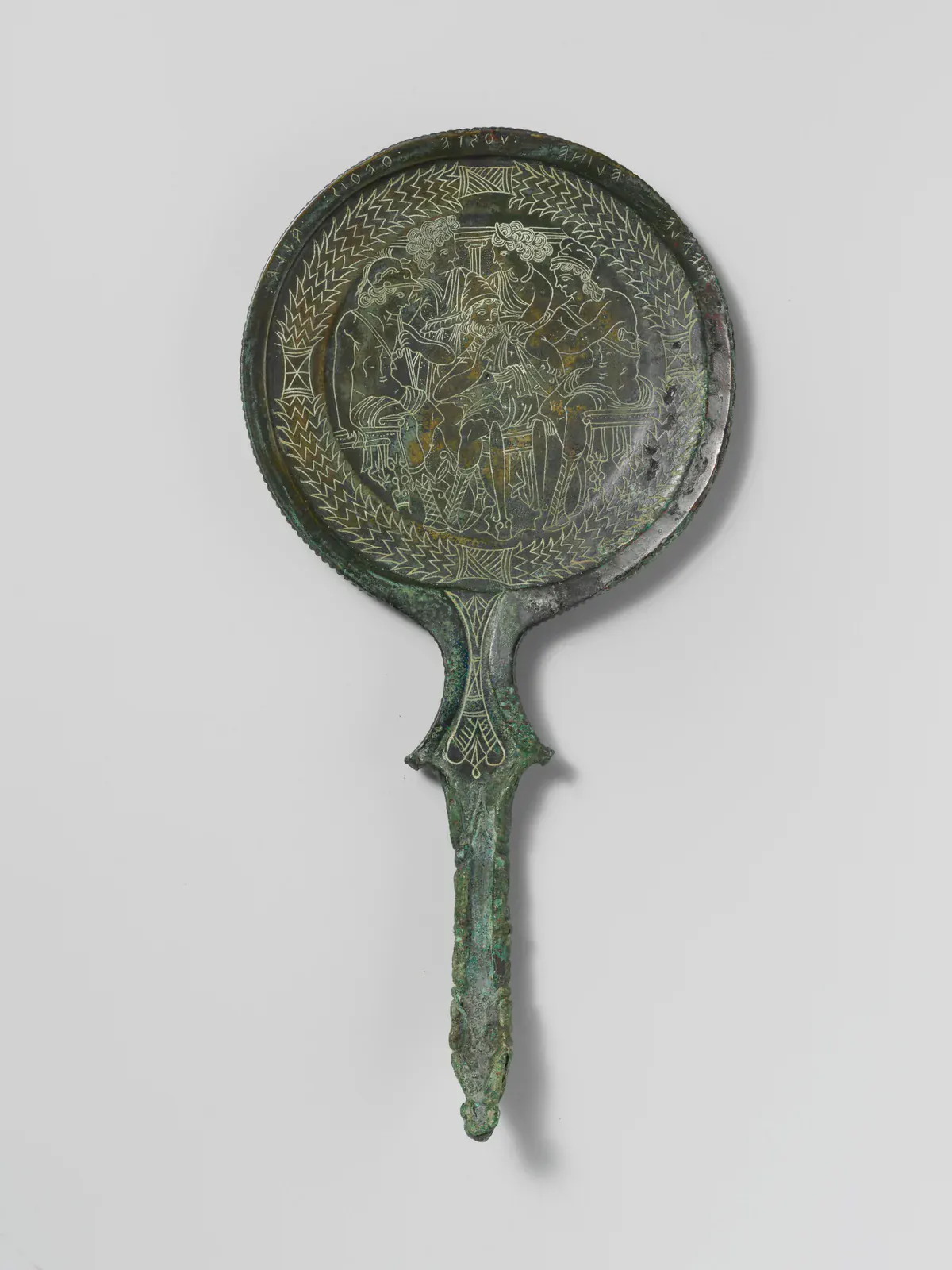
  3. Etruscan bronze mirror inscribed with Odysseus, Achilles, Thetis, Helen, and MenelausThe Met Open Access
    Library of Greek Mythology↗

    Pseudo-Apollodorus · 1st–2nd century CE

    A later mythographic synthesis useful for comparing genealogy and Trojan-cycle traditions with Homeric epic.
    Context objectInscribed Etruscan bronze mirror · 3rd century BCE

Museum research

1
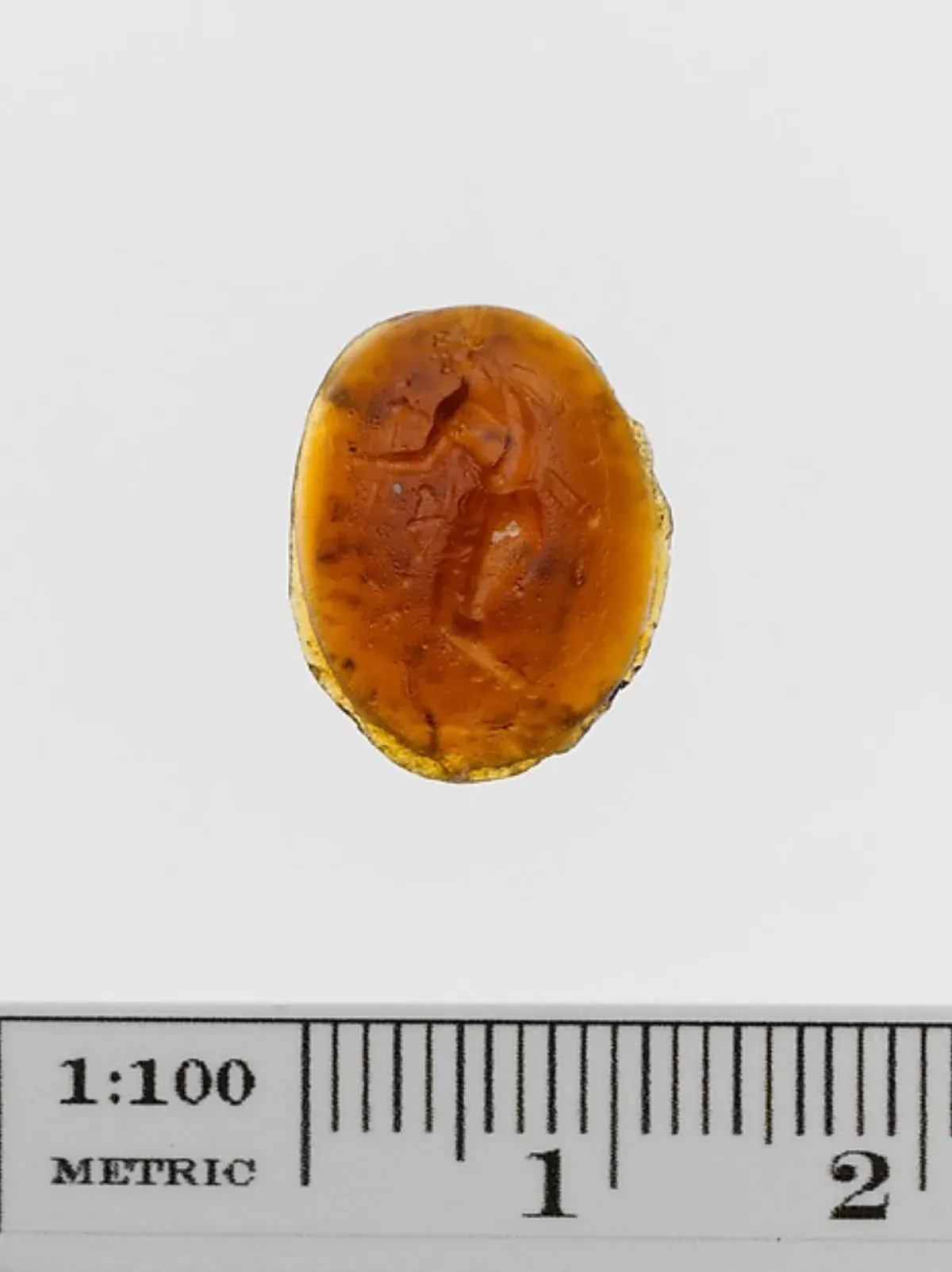
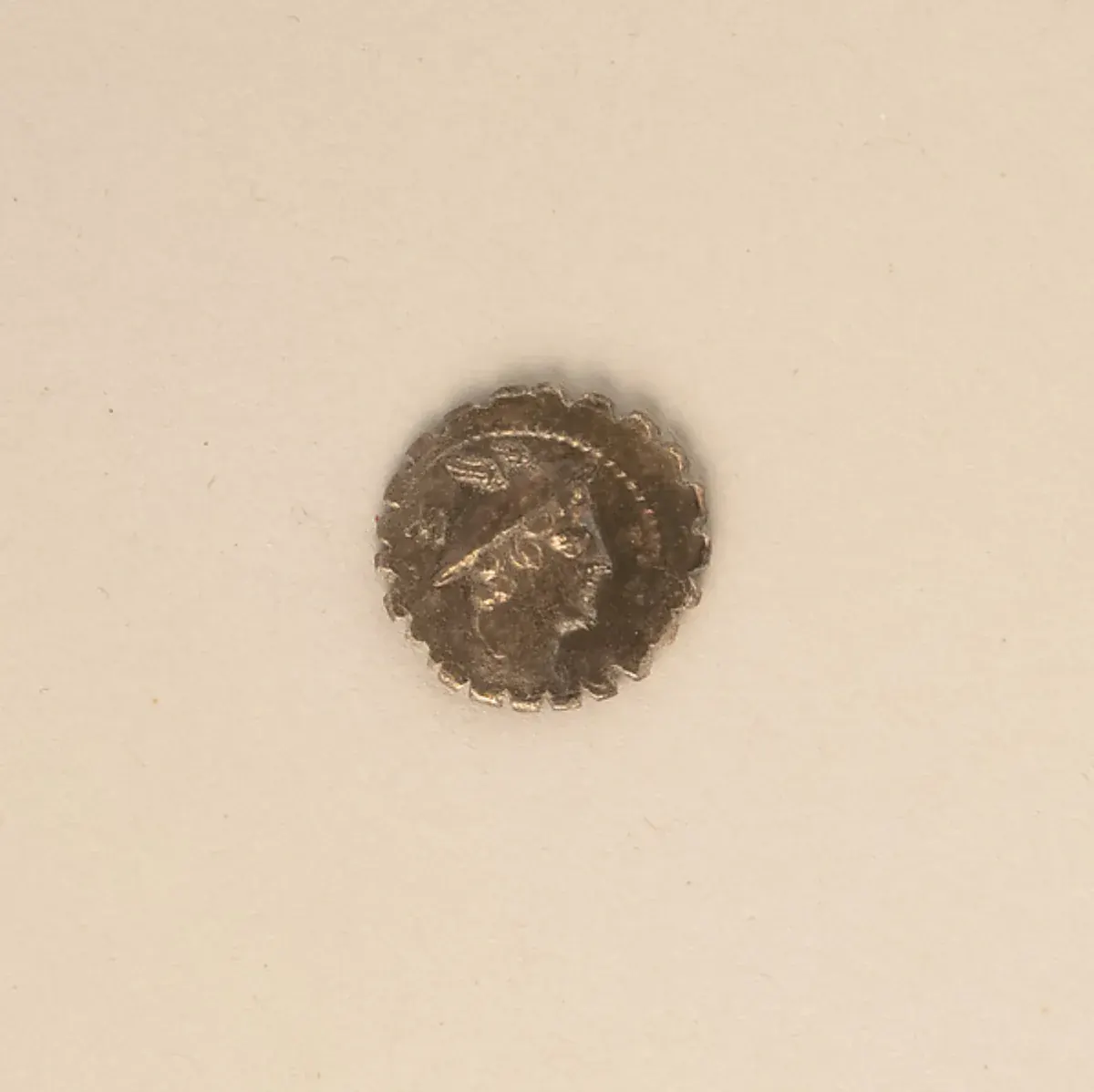
  1. Roman denarius with Odysseus on the reverseThe Met Open Access
    Greek Art from Prehistoric to Classical↗

    The Metropolitan Museum of Art · Museum scholarly resource

    Museum-authored context for reading Greek objects, narrative scenes, material, and ritual without treating images as illustrations of one fixed text.
    Context objectSilver denarius of Mamilius Limetanus · 82 BCE

Family questions

Questions about Odysseus's family.

Is Odysseus the same person as Ulysses?

Yes. Odysseus is the usual Greek form; Ulysses is the Latin form that became common in Roman and later European reception.

Who are Odysseus’s parents, wife, and son?

The Odyssey presents Laertes and Anticleia as his parents, Penelope as his wife, and Telemachus as their son. Later traditions preserve alternatives and additional descendants.

Did Odysseus have siblings?

Yes. Odyssey 15 names Ctimene as Odysseus's sister and a daughter of Laertes and Anticleia. The poem says she was raised in the same household and later married on Same.

What is Odysseus’s defining trait?

Ancient epic repeatedly emphasizes adaptive intelligence, persuasive speech, endurance, disguise, and timing. ‘Cunning’ is useful shorthand, but it can hide the poem’s attention to suffering, command, and moral consequence.

Did Homer write Joyce’s Ulysses or Atwood’s Penelopiad into the myth?

No. They are later works in reception history. Joyce restructured the Odyssey for modern Dublin, while Atwood retold the household story through Penelope and the maids.