HERO · 03
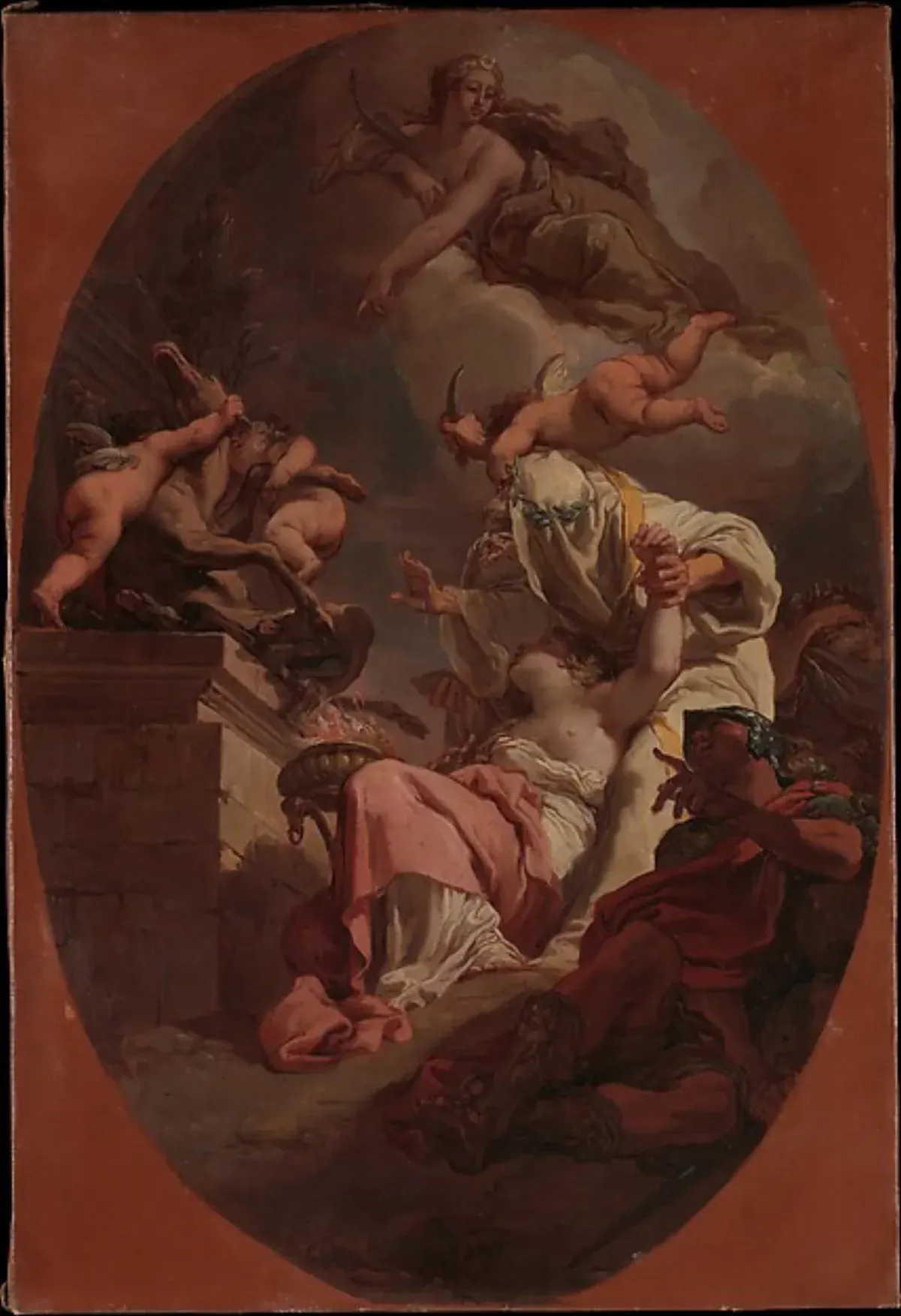
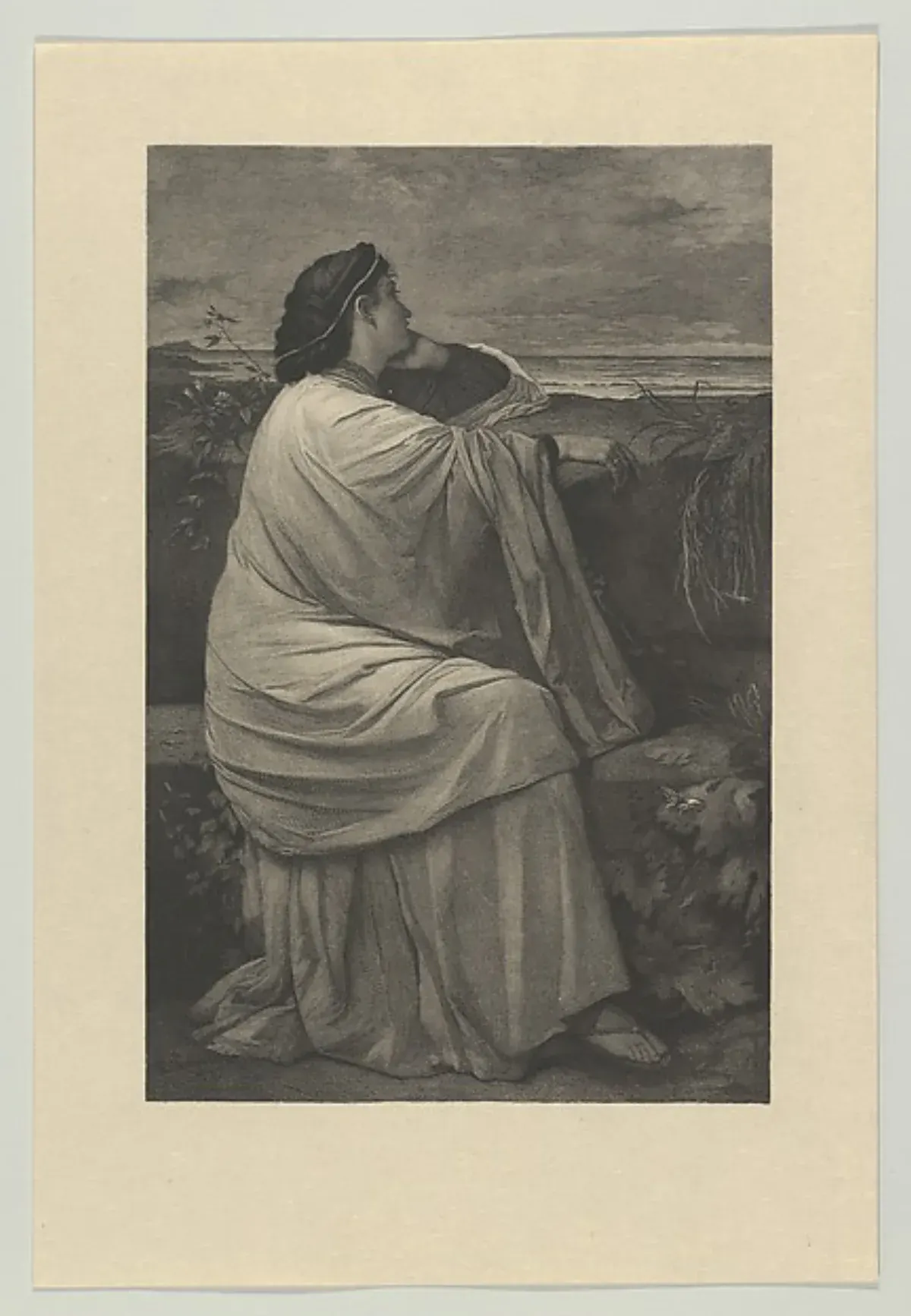
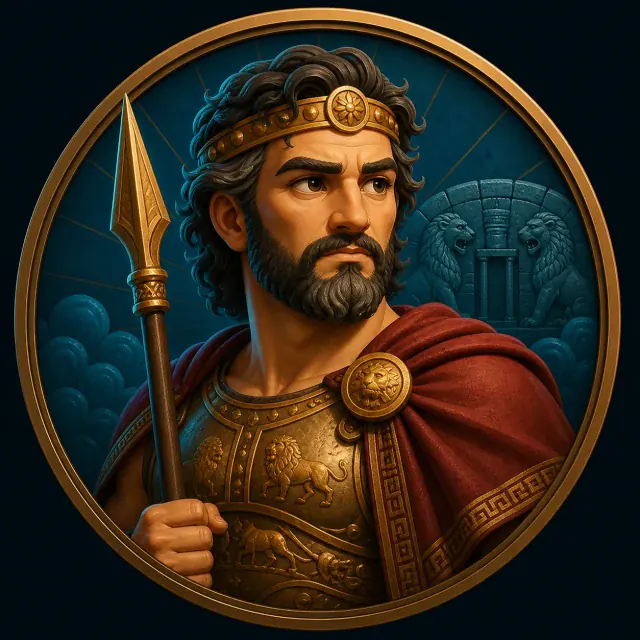
Illustrated portrait of Agamemnon

Portrait from the MythBranch atlas
Interpretive illustration, not an ancient likeness

Greek hero dossier · source-aware edition

Agamemnon

Agamemnon · Kingship, command, sacrifice & return

Agamemnon is king of Mycenae and commander of the Achaean coalition at Troy, a ruler whose immense authority repeatedly fails to become moral judgment. The Iliad begins with the damage caused by his insult to a priest and seizure of Briseis; tragedy follows the war home, where the sacrifice of Iphigenia, the destruction of Troy, Cassandra’s captivity, and Clytemnestra’s revenge converge in his murder.

The commander beyond the flat ‘villain king’ label

Power can assemble an army without mastering its consequences.

The Iliad calls Agamemnon ‘lord of men’ and gives him the largest contingent, a royal sceptre, and responsibility for the coalition. Yet command is negotiated, not absolute. He must persuade rival kings, distribute prizes, respond to assemblies, and depend on warriors whose excellence exceeds his own. His authority is most visible when it breaks: dishonoring Chryses brings plague, humiliating Achilles cripples the army, and reparations arrive only after catastrophic loss.

Agamemnon’s story is preserved across epic, lyric, mythography, vase painting, and several incompatible tragic versions. The famous gold funerary mask found at Mycenae is conventionally called the ‘Mask of Agamemnon,’ but it predates the traditional Trojan War era and cannot be treated as his portrait. Aeschylus, Sophocles, Euripides, Roman writers, opera, and modern novels reshape motive and guilt differently; this page therefore identifies the work responsible for each version.

01Atreidēs · Son of Atreus02Anax andrōn · Lord of men03Eurykreiōn · Wide-ruling04Poimēn laōn · Shepherd of the people05King of rich Mycenae

Inherited violence, coalition war, sacrifice, and return

Six crises that turn kingship into tragedy.

Agamemnon’s biography cannot be separated from institutions: dynasty, army, sacrifice, household, and revenge. Each promises order while transmitting violence to the next person or generation.

01

Dynastic prehistory

The house of Atreus

Agamemnon and Menelaus inherit a family marked by contested succession and reciprocal murder. Later mythography connects their father Atreus to the feud with Thyestes and the grotesque banquet in which a father is fed his own children.

Why it mattersThe ‘curse’ does not remove responsibility. It gives tragedy a structure in which every attempt to answer prior violence becomes the next claim for revenge.
Pseudo-Apollodorus: Library, Epitome 3Aeschylus: Agamemnon in An Oresteia
02

Before the voyage to Troy

Aulis and Iphigenia

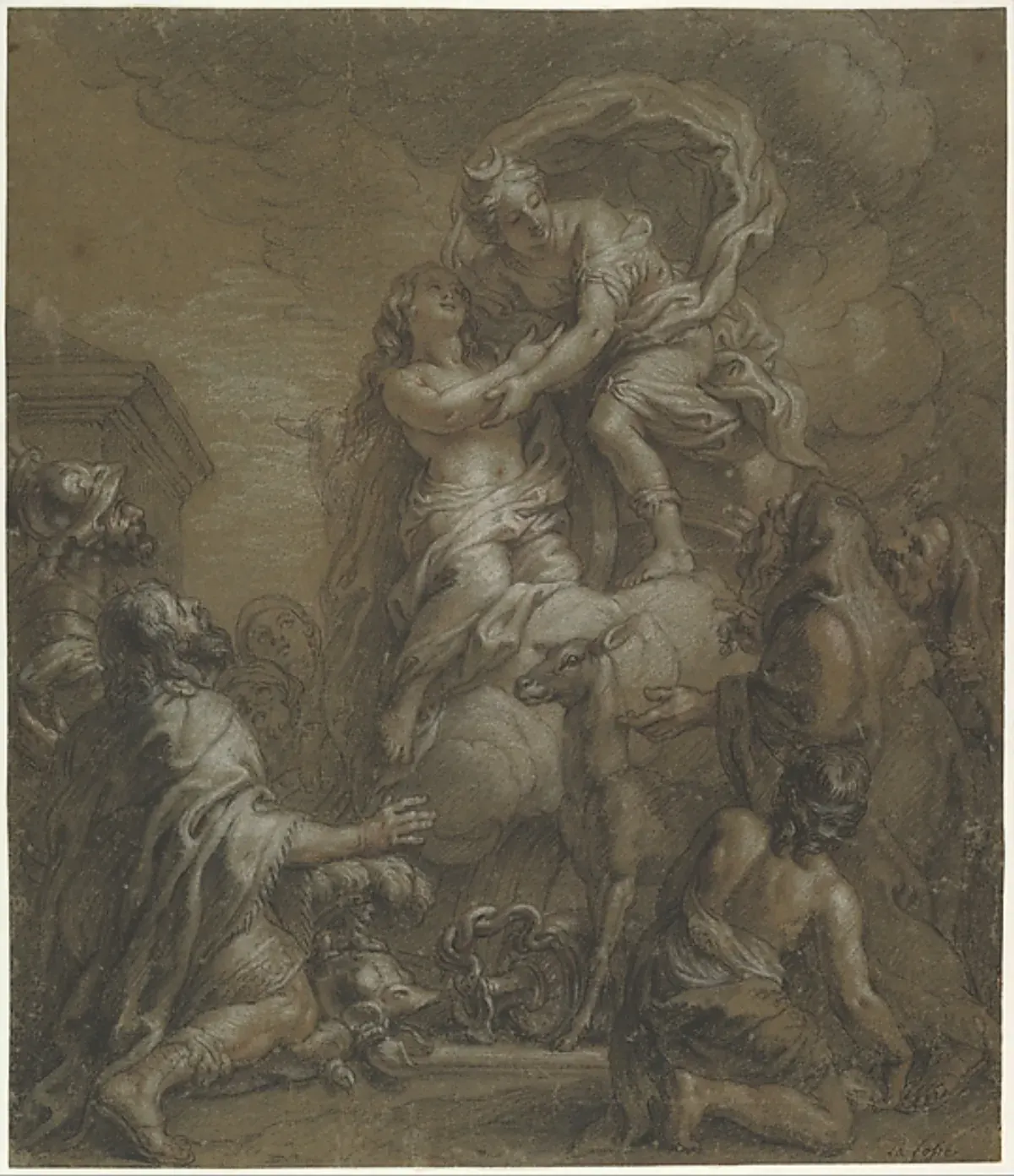
When the fleet is unable to sail, Agamemnon is told that his daughter Iphigenia must be sacrificed. Euripides dramatizes hesitation, deception, family confrontation, military pressure, and a contested ending whose transmitted text may include Artemis substituting a deer.

Why it mattersPublic command invades the household. The leader who claims necessity still chooses secrecy and converts his daughter’s body into the price of coalition movement.
Euripides: Iphigenia at Aulis
03

Iliad · Book 1

The plague and the quarrel

Agamemnon rejects ransom for Chryseis and humiliates Apollo’s priest, bringing plague on the army. Forced to return her, he takes Briseis from Achilles to display that no subordinate may keep a prize while the commander loses his own.

Why it mattersThe disaster begins in two linked refusals: to respect a vulnerable petitioner and to distinguish leadership from domination. The army pays for a status contest between powerful men.
Homeric tradition: Iliad, Book 1
04

Iliad and war tradition

Commander at Troy

Agamemnon musters the largest contingent, leads assemblies, fights in the front line, suffers wounds, tests morale badly, and depends on counsel from Nestor, Odysseus, Diomedes, and others. The Iliad gives him genuine courage without making courage sufficient for good rule.

Why it mattersCoalition command is a social technology. Rank can convene an army, but legitimacy must be repaired through speech, gifts, listening, and acknowledgment of unequal excellence.
Homeric tradition: Iliad, Book 1
05

After the fall of Troy

The victor returns with Cassandra

In Aeschylus’s Agamemnon, beacons announce victory and the king arrives with Cassandra, Trojan princess and prophetic captive. Clytemnestra persuades him to walk on costly purple textiles as he enters the palace, staging triumph as excess before the murder.

Why it mattersHome is not outside war. Captive Cassandra, Troy’s wealth, Iphigenia’s memory, and the language of conquest cross the threshold with the returning commander.
Aeschylus: Agamemnon in An Oresteia
06

Oresteia and homecoming tradition

The net, the bath, and the cycle after death

Clytemnestra kills Agamemnon and Cassandra inside the palace, in Aeschylus using an enveloping textile described as a net or robe. Their children inherit competing obligations: mourn the father, judge the mother, avenge murder, and answer bloodshed without ending the family.

Why it mattersAgamemnon’s death closes no account. Tragedy shifts attention to the survivors and asks whether justice can be more than violence repeated under a new name.
Aeschylus: Agamemnon in An OresteiaHomeric tradition: Odyssey, Book 11

The Atreid dynasty and the coalition at Troy

A household where every bond becomes a claim.

Agamemnon’s family is not background: Atreus supplies the inherited feud, Menelaus the pretext for war, Iphigenia the cost of departure, Clytemnestra the reckoning on return, and Orestes and Electra the next cycle of vengeance.

Parents and dynasty

03

AtreusFather

AeropeMother in the dominant tradition

ThyestesPaternal uncle and dynastic rival

Marriage and siblings

02

ClytemnestraWife and killer in tragedy

MenelausBrother and king of Sparta

Children

04

IphigeniaDaughter sacrificed or rescued at Aulis

ElectraDaughter

OrestesSon and avenger

ChrysothemisDaughter

War and return

04
AchillesAchillesOdysseusUlysses

CassandraTrojan captive and fellow victim

AegisthusDynastic rival and killer/accomplice

Genealogy note

The dominant tradition makes Agamemnon a son of Atreus and Aerope, brother of Menelaus, husband of Clytemnestra, and father of Iphigenia, Electra, Orestes, and Chrysothemis. Ancient works vary names and family details. Cassandra is a captive brought from Troy, not a spouse in the ordinary dynastic sense; Aegisthus belongs to the rival branch of the family and becomes Clytemnestra’s partner and Agamemnon’s killer or accomplice, depending on the source.

Open the interactive branch

Epic · tragedy · opera · modern drama · novel

Agamemnon survives as a problem, not a monument.

Later works rarely rehabilitate the commander by ignoring the people around him. They change the medium and setting—opera, New England, contemporary family drama, interior novel—while asking how public victory, patriarchal authority, and private violence share one house.

  1. c. 700 BCEIliadThe commander’s quarrel endangers the coalition.
  2. 458 BCEAgamemnonVictory returns home as murder.
  3. 1909ElektraStrauss makes the murdered king a musical obsession.
  4. 1931Mourning Becomes ElectraO’Neill moves the Oresteia to post–Civil War New England.
  5. 2015OresteiaRobert Icke reframes the trilogy as a family argument over justice.
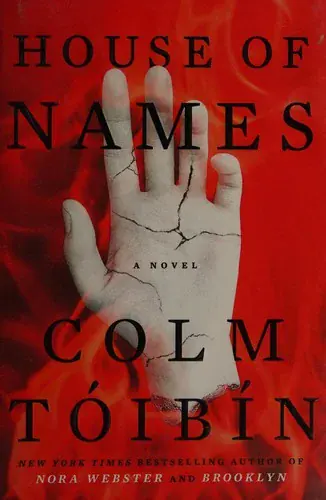
  6. 2017House of NamesClytemnestra and the children control the narrative.
01

Curated shelf

Ancient epic & tragedy

03 works
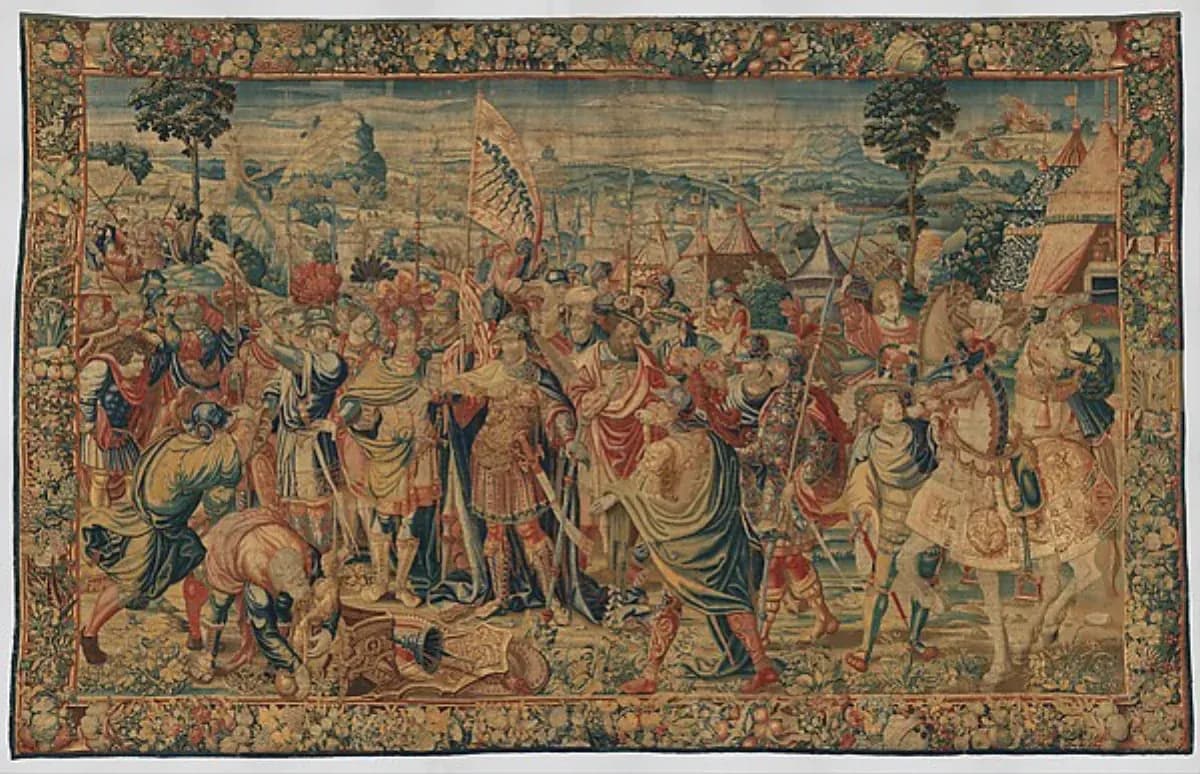
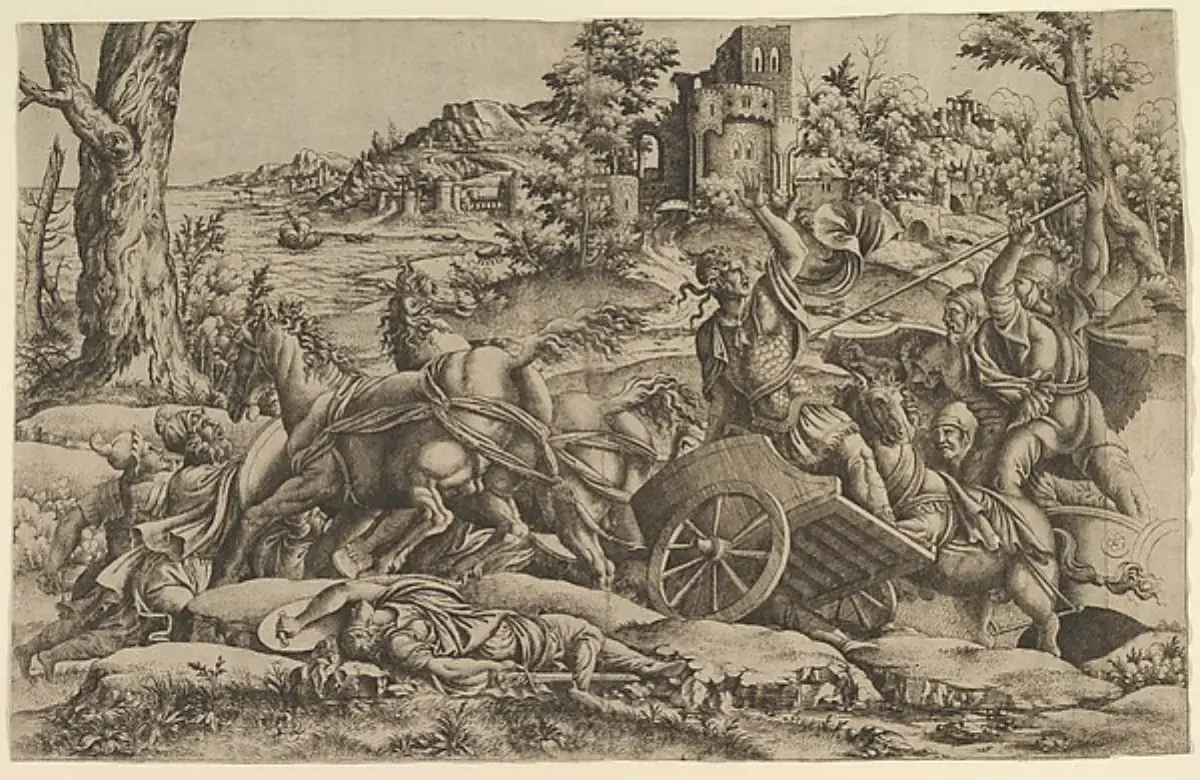
Renaissance print of Agamemnon killing Odios in battleAncient text
The Met Open Access · object 49.97.605Public domain context · historical reception
Epic poem

Iliad

Homeric tradition

Agamemnon lensKingship is judged by coalition maintenance: command fails when status becomes more important than the people who make authority real.

Agamemnon is neither coward nor all-powerful tyrant. The poem gives him battlefield courage and political weight while tracing the collective damage of arrogance, bad judgment, and delayed repair.

Perseus Digital LibraryOpen record ↗
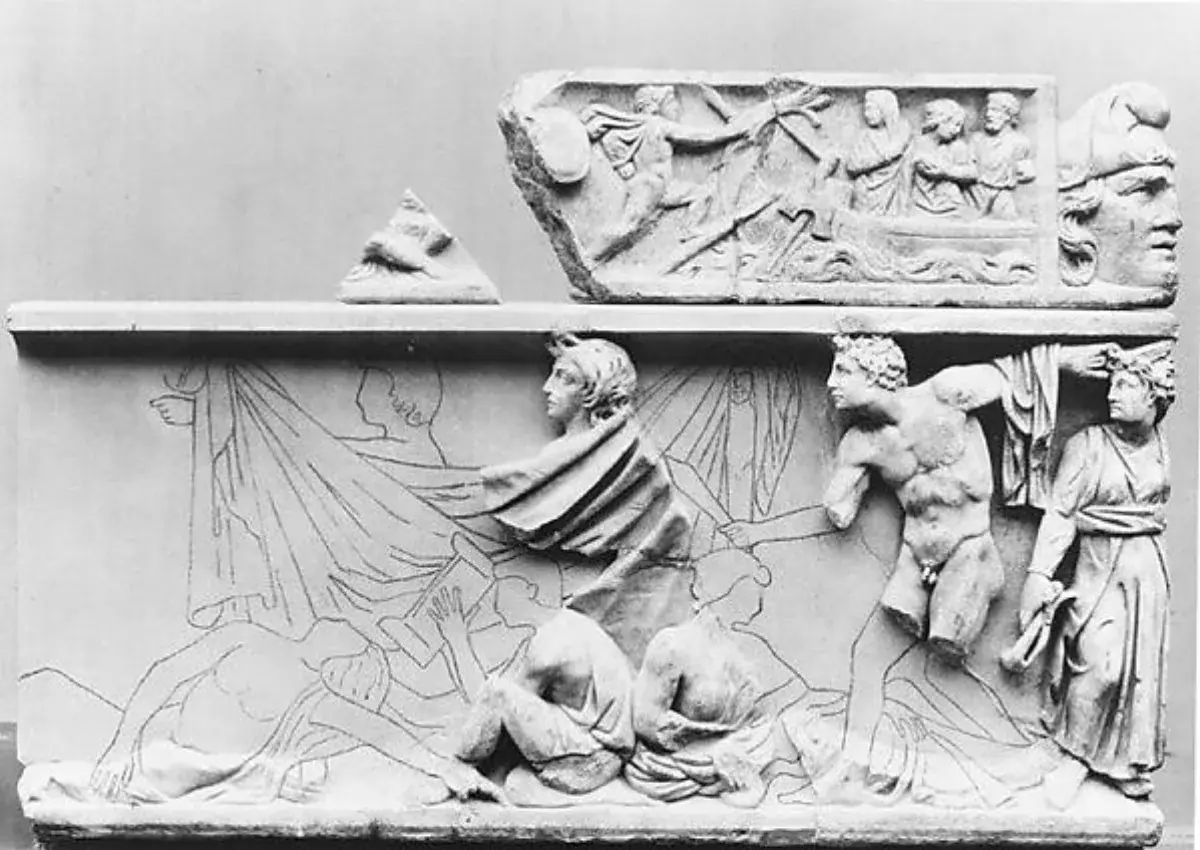
Roman sarcophagus fragment with scenes from the OresteiaAncient drama
The Met Open Access · object 28.57.8a–dPublic domain · ancient reception of tragedy
Tragedy

Agamemnon

Aeschylus

Agamemnon lensThe conqueror’s entrance is already an accusation: purple cloth, captive prophet, sacrificed daughter, and ruined city enter the palace together.

The first surviving play of the Oresteia gives Clytemnestra the language and agency to stage the returning king’s death, while Cassandra sees the household’s past and immediate future with terrible clarity.

Perseus Digital LibraryOpen record ↗
02

Curated shelf

Opera & modern drama

02 works
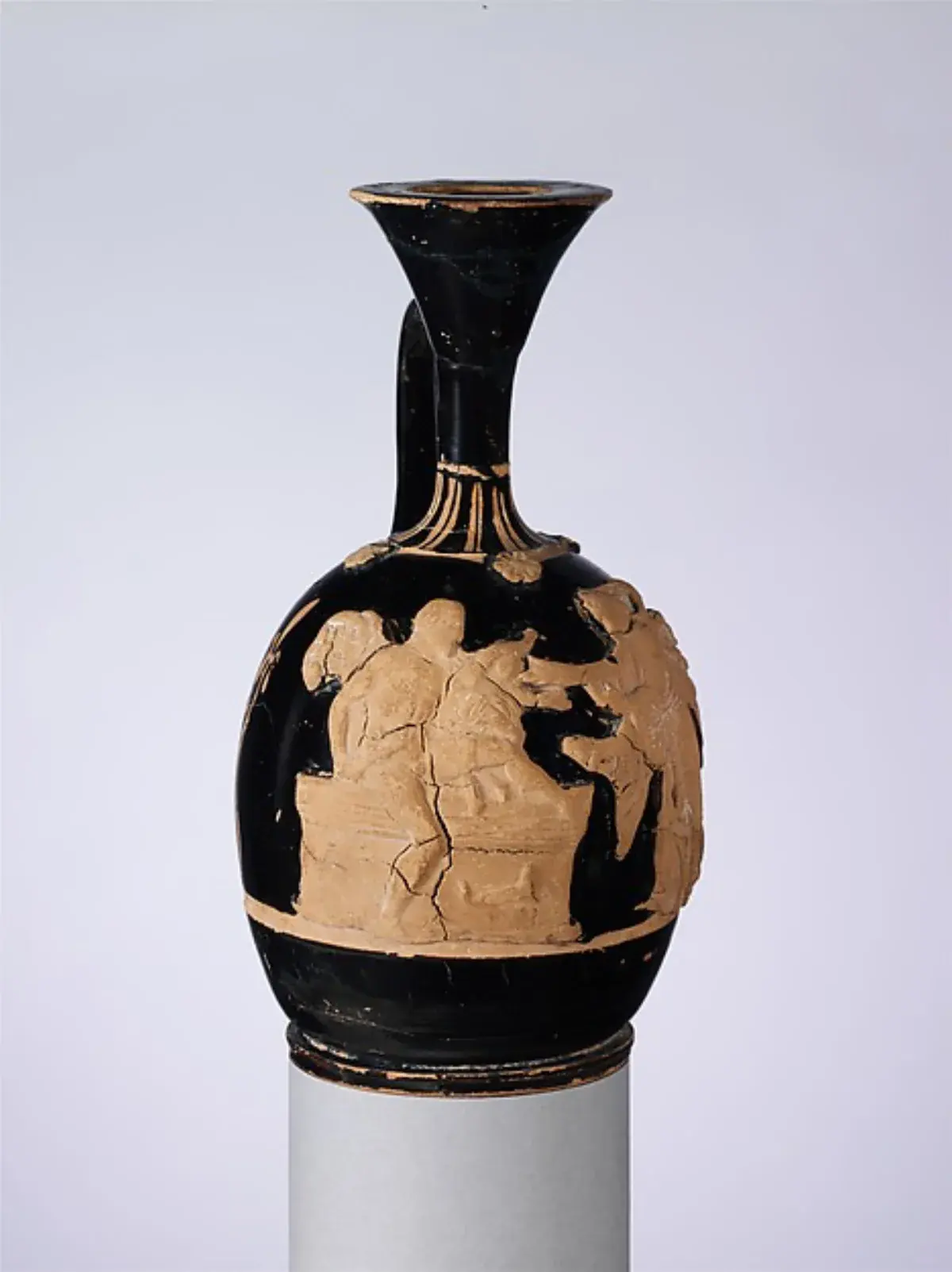
Attic lekythos associated with ClytemnestraHistorical reception
The Met Open Access · object 28.57.9Public domain context · not a production still
Opera

Elektra

Richard Strauss and Hugo von Hofmannsthal

Agamemnon lensAgamemnon becomes sound, memory, and obsession—the absent patriarch around whom survivors deform themselves.

The murdered king never sings, yet a crashing musical motive and Electra’s daily mourning make him dominate the household. Hofmannsthal and Strauss recast the myth through early twentieth-century psychology.

Metropolitan OperaOpen record ↗
Library of America cover of Eugene O'Neill's Complete Plays 1920–1931Historical reception
Library of America editionPublisher cover · identification and criticism
Drama trilogy

Mourning Becomes Electra

Eugene O’Neill

Agamemnon lensThe victorious general returns as Ezra Mannon, and the ancient house curse becomes a modern family system that reproduces violence.

O’Neill relocates the Oresteia to a wealthy New England family after the American Civil War. Gods and Furies become inherited psychology, secrecy, war trauma, and self-punishing conscience.

Library of AmericaOpen record ↗
03

Curated shelf

Contemporary stage & fiction

02 works
Lia Williams as Clytemnestra in Robert Icke's OresteiaModern adaptation
Almeida Theatre production imagePublicity image · identification and criticism
Stage drama

Oresteia

Aeschylus, new version by Robert Icke

Agamemnon lensAgamemnon’s decision is placed under sustained contemporary scrutiny: public necessity must answer to the child and family it consumes.

Icke expands the family before the murder and frames the story as decades of argument, memory, and judgment. The production makes Iphigenia’s death an immediate domestic event rather than distant exposition.

Almeida TheatreOpen record ↗

When modern book covers or publicity images are shown, they appear at small scale for identification and criticism; copyright remains with the named rights holders. Public-domain context images are explicitly labeled.

Read the evidence

Ancient text first. Interpretation labeled.

Dates are conventional approximations. Cover thumbnails identify representative modern editions, not the original form of ancient works. Reading links favor university archives, publishers, and museum catalogues.

Ancient source

5
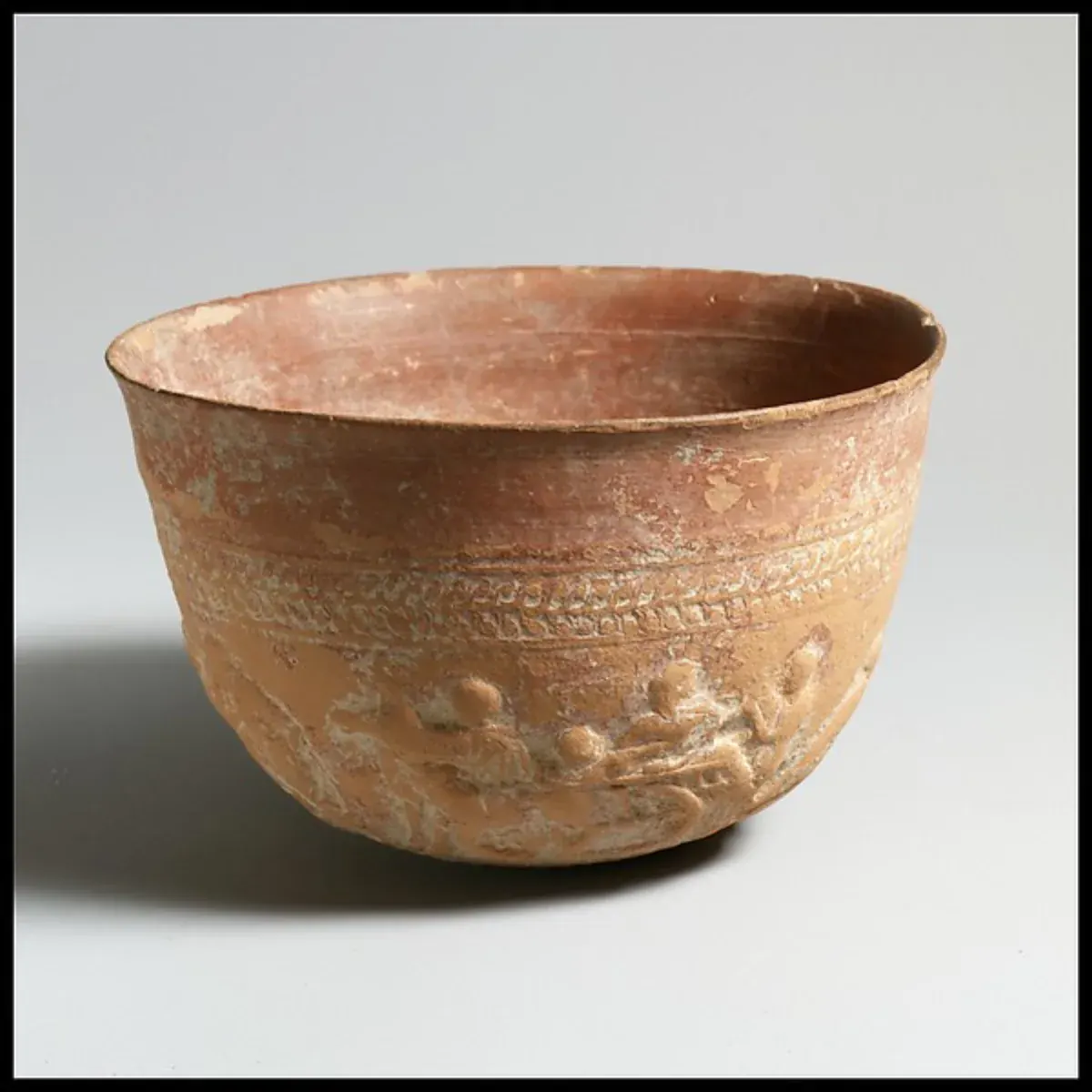
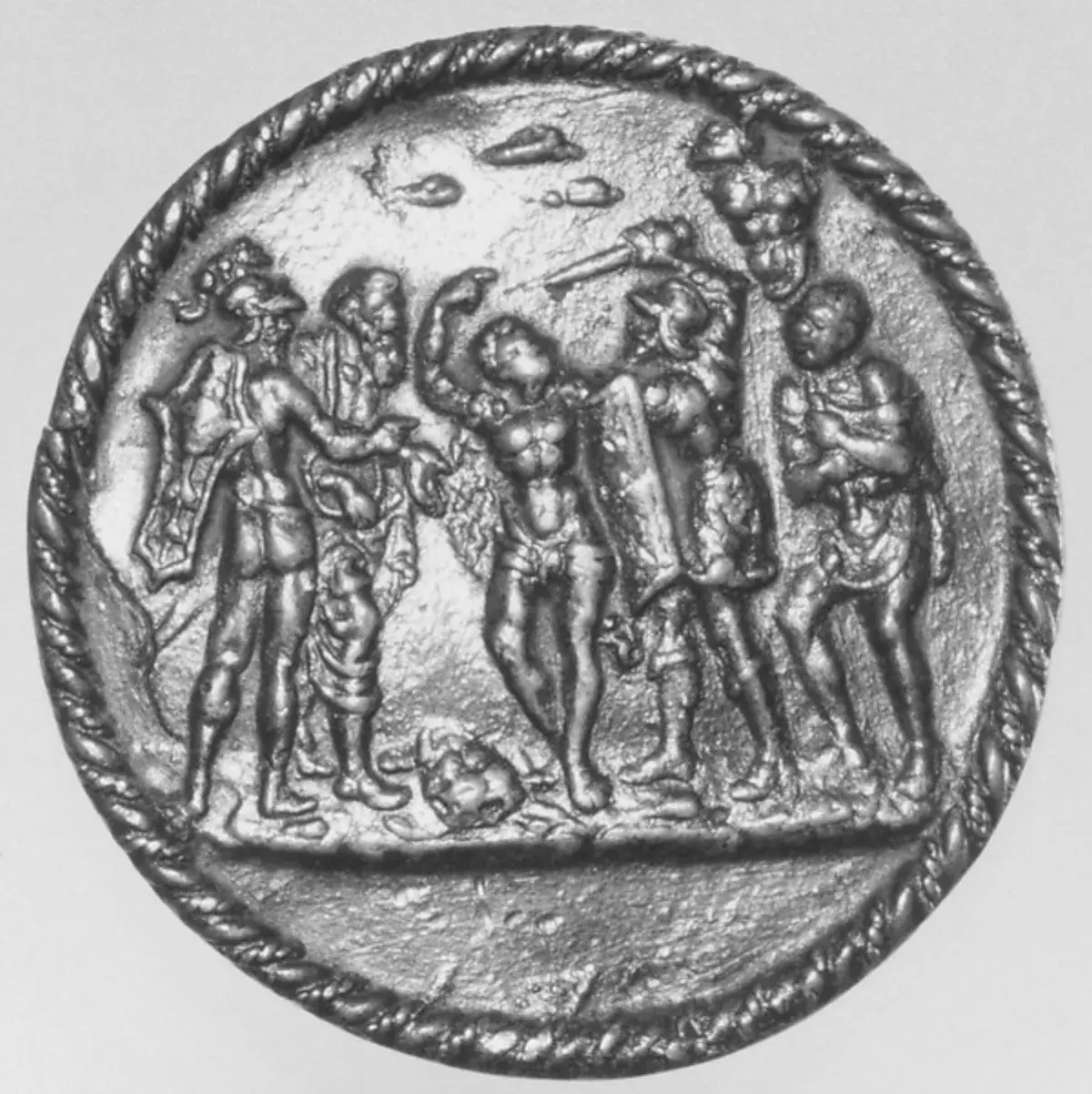
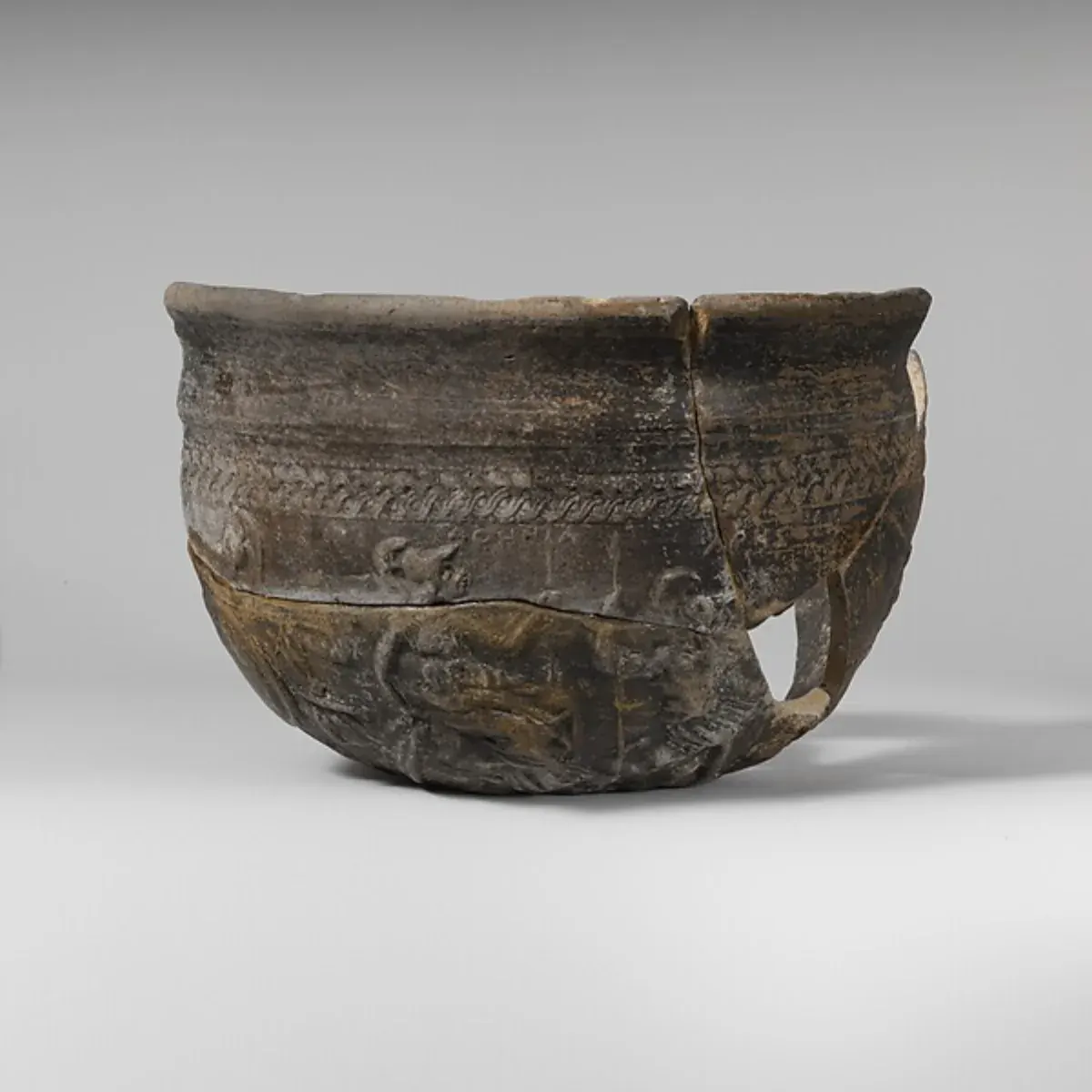
  1. Megarian bowl fragment naming AgamemnonThe Met Open Access
    Iliad, Book 1

    Homeric tradition · late 8th–early 7th century BCE

    The primary epic source for the plague, quarrel with Achilles, and the first test of Agamemnon’s coalition leadership.
    Context objectMegarian bowl fragment · Greek, 2nd century BCE
  2. Cover of Stanley Lombardo's translation of the OdysseyHackett edition
    Odyssey, Book 11

    Homeric tradition · late 8th–early 7th century BCE

    Agamemnon’s shade recounts his murdered homecoming as a warning about the dangers waiting inside a household.
    Edition shownStanley Lombardo translation · Hackett, 2000
  3. Cover of An Oresteia translated by Anne CarsonFarrar, Straus and Giroux edition
    Agamemnon in An Oresteia

    Aeschylus · 458 BCE

    The major surviving tragedy of the beacon, Cassandra, purple textiles, Clytemnestra’s rhetoric, and Agamemnon’s murder.
    Edition shownAnne Carson translation · Farrar, Straus and Giroux, 2009
  4. Cover of Euripides volume three containing Iphigenia at AulisUniversity of Pennsylvania Press edition
    Iphigenia at Aulis

    Euripides · c. 405 BCE

    The fullest surviving tragedy of the decision at Aulis, family confrontation, military pressure, and the transmitted ending’s uncertainty.
    Edition shownEuripides, 3 · Elaine Terranova translation · Penn Press, 1998
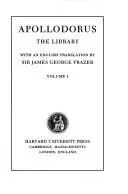
  5. Loeb Classical Library cover of Apollodorus volume oneLoeb Classical Library edition
    Library, Epitome 3

    Pseudo-Apollodorus · 1st–2nd century CE

    A later synthesis for the Atreid dynasty, Trojan expedition, homecoming, and variant family traditions.
    Edition shownJames George Frazer translation · Loeb Classical Library

Museum research

1
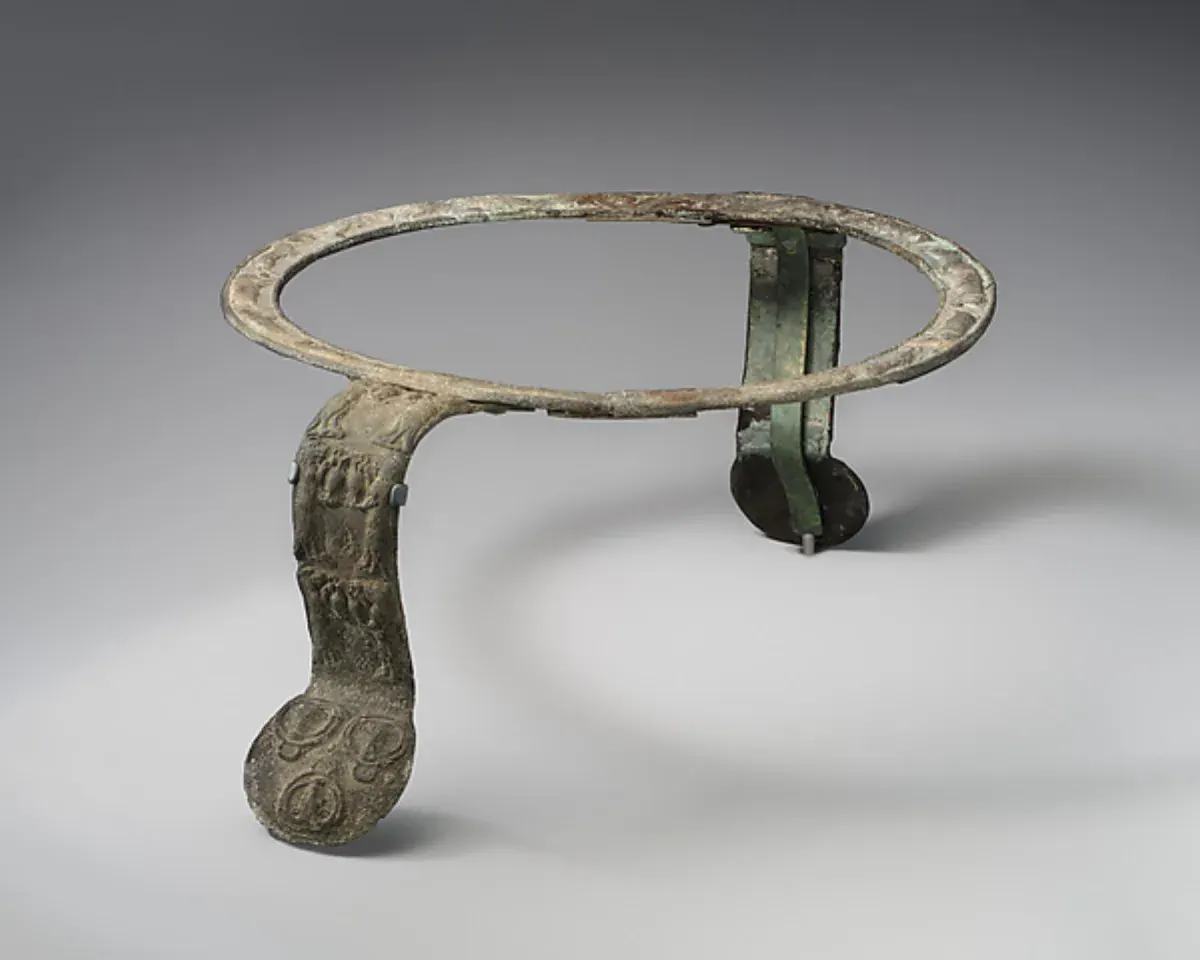
  1. Bronze Age Cypriot cauldron handles with lionsThe Met Open Access
    Bronze handles and rim of a cauldron

    The Metropolitan Museum of Art · ca. 1300–1050 BCE

    A securely dated Bronze Age object helps separate Mycenaean material culture from later literary identifications and modern labels such as the ‘Mask of Agamemnon.’
    Context objectCypriot bronze cauldron fittings · ca. 1300–1050 BCE
Continue exploring

Return to the living tree.

Open Agamemnon in the atlas Browse the full mythology atlas