HERO · 02
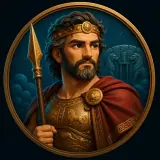
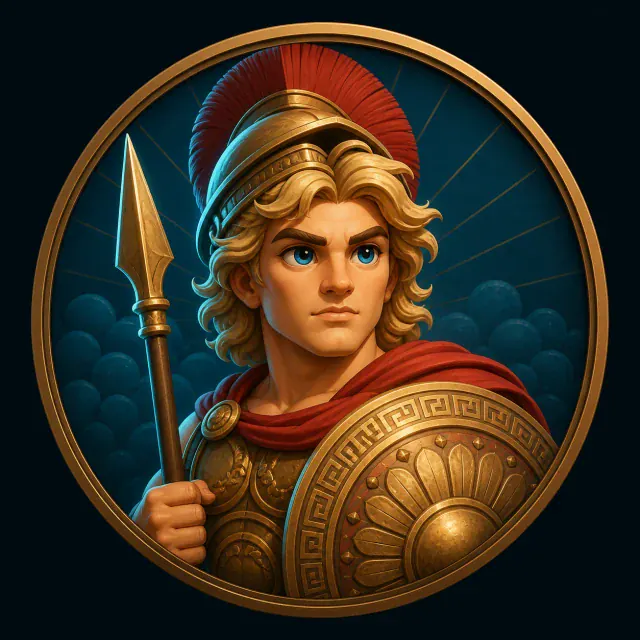
Illustrated portrait of Achilles

Portrait from the MythBranch atlas
Interpretive illustration, not an ancient likeness

Greek hero research profile · cited sources

Achilles

Achilles · Glory, anger, grief & mortality

Achilles is the greatest Achaean warrior in the Iliad, yet the poem begins with his destructive anger rather than a victory. Son of the mortal Peleus and the sea-goddess Thetis, he stands at the sharpest point of heroic contradiction: nearly unmatched in battle, unable to escape death, capable of terrible violence, and finally able to recognize another father’s grief.

Names · attributes · ancient evidence

Achilles: identity and historical contexts.

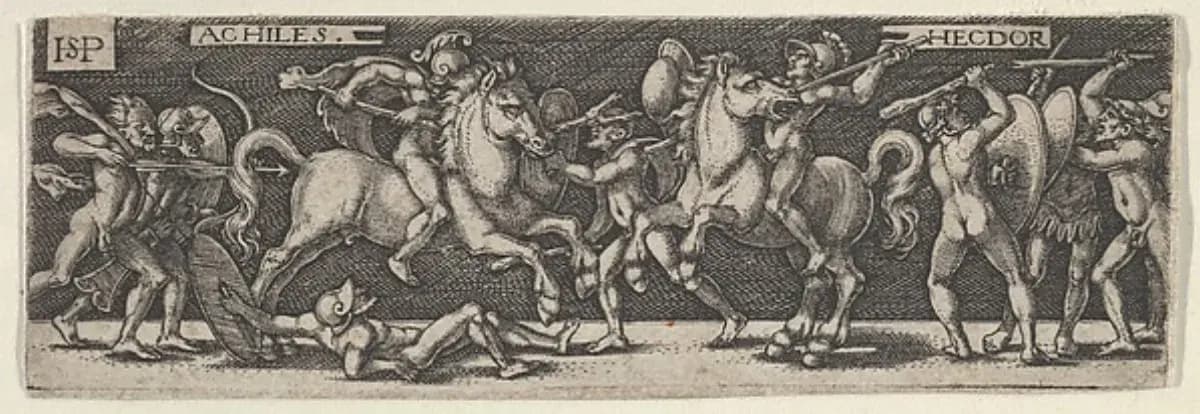
Achilles commands the Myrmidons and possesses speed, beauty, lineage, and fighting power, but his central epic problem is honor. When Agamemnon takes Briseis, Achilles withdraws and asks Thetis to make the Greeks feel his absence. That choice gives his anger public force: comrades die while he defends an injured status. The poem neither erases the insult nor treats the consequences as simple proof that Achilles was right.

The Iliad never says that Thetis dipped Achilles in the River Styx, and it does not narrate his death by an arrow in the heel. It knows him as mortal, fated to die young if he chooses lasting glory at Troy. Later Greek and Roman traditions develop childhood concealment, invulnerability, the heel, Penthesilea, Polyxena, and other episodes. This dossier labels those later layers instead of importing them silently into Homer.

01Podarkēs · Swift-footed02Pelēïadēs · Son of Peleus03Dios · Radiant/divine04Best of the Achaeans05Lion-hearted warrior

Texts · chronology · variant traditions

Selected ancient narratives involving Achilles.

Achilles does not need a list of labors. One concentrated sequence—from quarrel to funeral—shows what happens when personal honor, coalition warfare, love, mortality, and revenge become impossible to separate.

02

Iliad · Book 1

The quarrel with Agamemnon

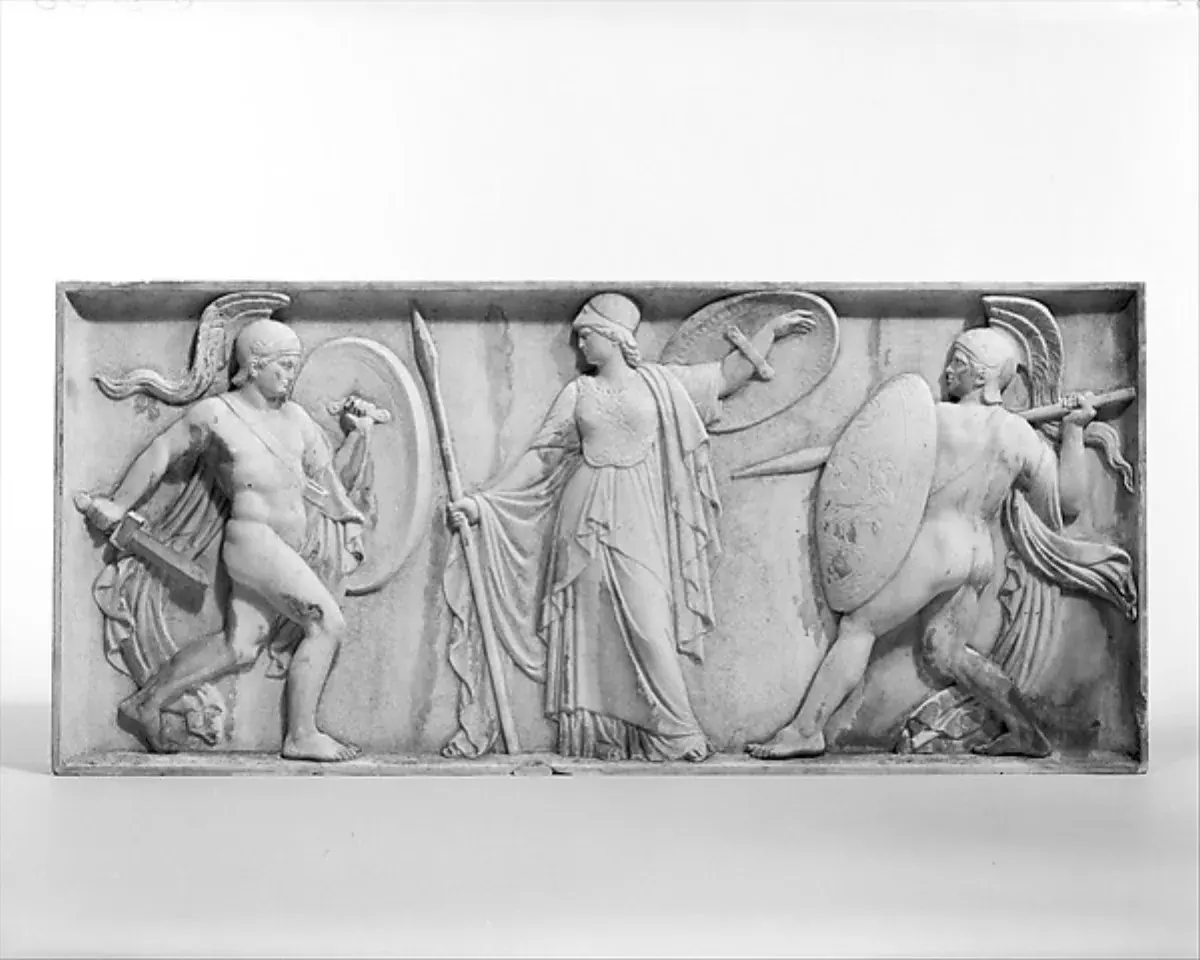
After Agamemnon dishonors Apollo’s priest and must return Chryseis, he seizes Briseis from Achilles. Athena stops Achilles from killing the commander, but Achilles withdraws from battle and asks Thetis to secure Trojan success until the Greeks restore his honor.

Homeric tradition: Iliad ↗
03

Iliad · Book 9

The embassy and the refusal

Odysseus, Phoenix, and Ajax bring gifts and apologies, yet Achilles refuses to return. He contrasts Agamemnon’s rewards with the single life no wealth can buy and articulates the choice between a long obscure life and brief immortal fame.

Homeric tradition: Iliad ↗
04

Iliad · Books 16–18

Patroclus in Achilles’s armor

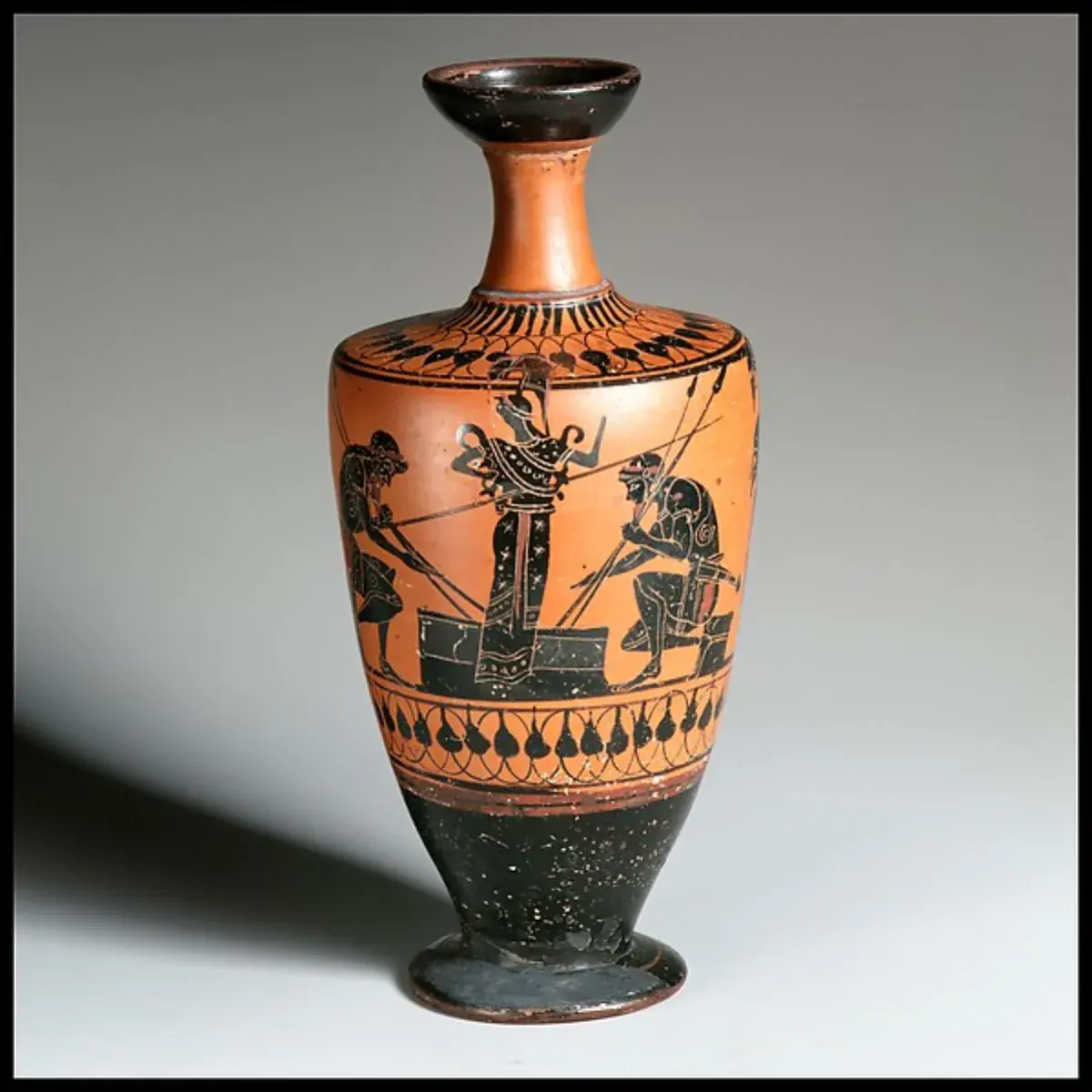
Patroclus persuades Achilles to let him lead the Myrmidons while wearing Achilles’s armor. He saves the ships but presses beyond the agreed limit and is killed by Hector after divine and mortal blows. Achilles’s grief ends the withdrawal.

Homeric tradition: Iliad ↗
05

Iliad · Books 22–23

Hector’s death and the refusal of burial

Achilles kills Hector, then repeatedly drags the body behind his chariot. The gods preserve the corpse, and the poem follows the violence past battlefield necessity into desecration while Achilles conducts Patroclus’s funeral games.

Homeric tradition: Iliad ↗
06

Iliad · Book 24

Priam in the tent

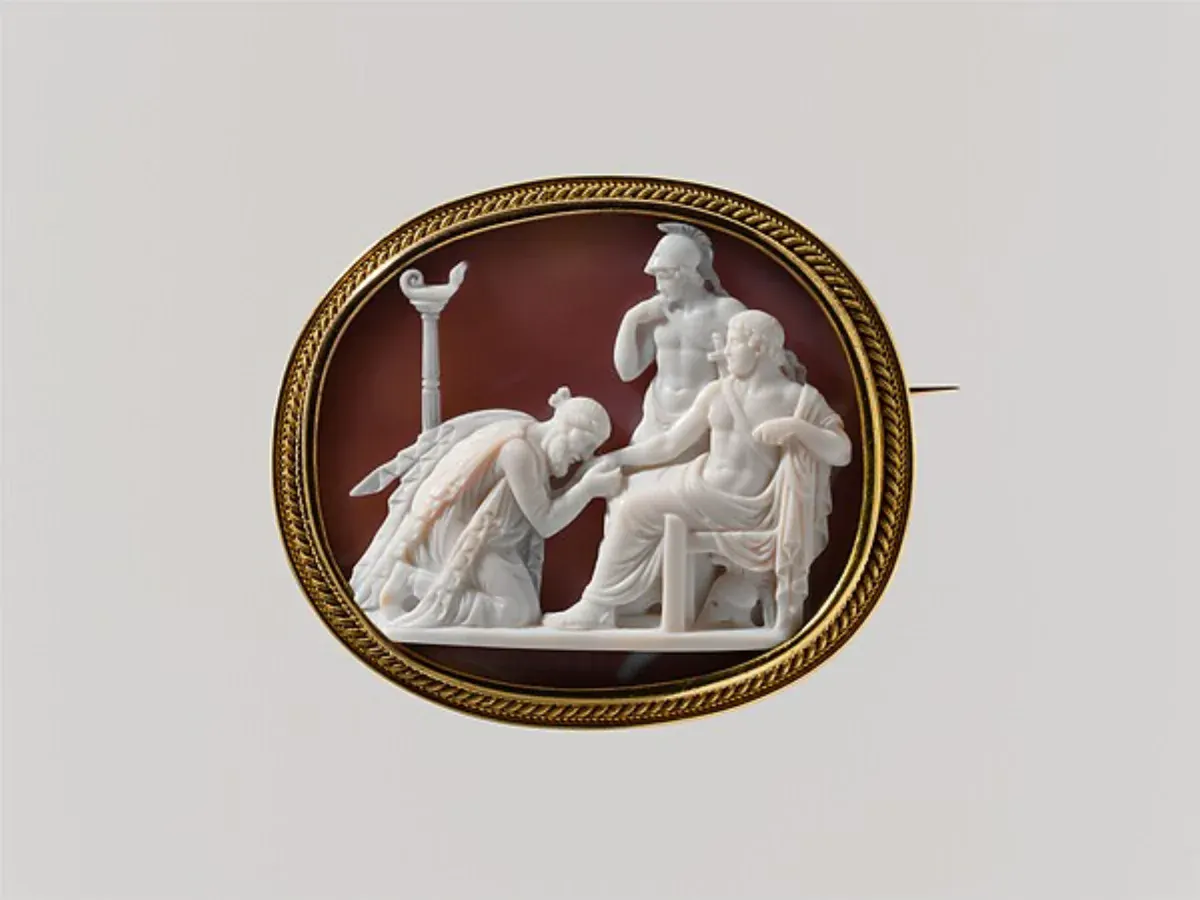
Priam crosses the enemy camp and asks Achilles to remember Peleus. Achilles weeps with the father of the man he killed, accepts ransom, returns Hector’s body, and grants time for burial. The Iliad ends with Hector’s funeral, not Achilles’s triumph.

Homeric tradition: Iliad ↗

Genealogical records and atlas relationships

Genealogical evidence and variant traditions.

Achilles’s genealogy connects him to Zeus through the Aeacid line and to the sea through Thetis. The Iliad, however, gives emotional weight to chosen and coerced relationships—Patroclus, Briseis, Phoenix, Agamemnon, Priam—as strongly as to descent.

Parents and ancestry

03

PeleusMortal father

ThetisSea-goddess mother

AeacusPaternal grandfather

Intimate bonds

03

PatroclusClosest companion

BriseisCaptive woman at the center of the quarrel

PhoenixTutor and elder companion

Descendants and succession

02

NeoptolemusSon in later Trojan-cycle tradition

DeidamiaMother of Neoptolemus in later tradition

Achaean command

03
Genealogy note

Peleus and Thetis are Achilles’s parents; Aeacus is his paternal grandfather. Later traditions make Neoptolemus his son, usually by Deidamia on Skyros. The exact nature of Achilles and Patroclus’s bond is not defined by one surviving ancient formula and has been interpreted differently across antiquity and modern reception. The atlas does not currently draw this household, so the dossier distinguishes genealogy from companionship and command.

Open the interactive branch ↗

Text · stage · screen · scholarship

Selected works concerning Achilles in later reception.

Some adaptations amplify the bond with Patroclus; others move Briseis and captive women to the narrative center, remove the gods, or make translation itself the newest performance. Each choice exposes a pressure already present in the ancient material.

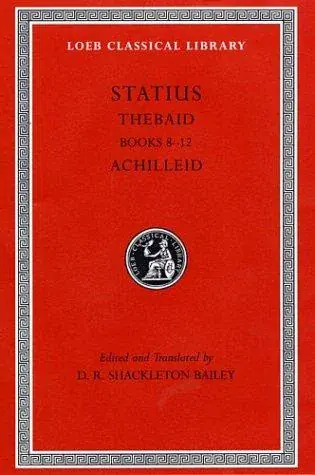
  1. c. 95 CEAchilleidStatius expands the hero’s childhood and concealment on Skyros.
  2. c. 3rd CEPosthomericaA later epic narrates Achilles’s death, funeral, and disputed armor.
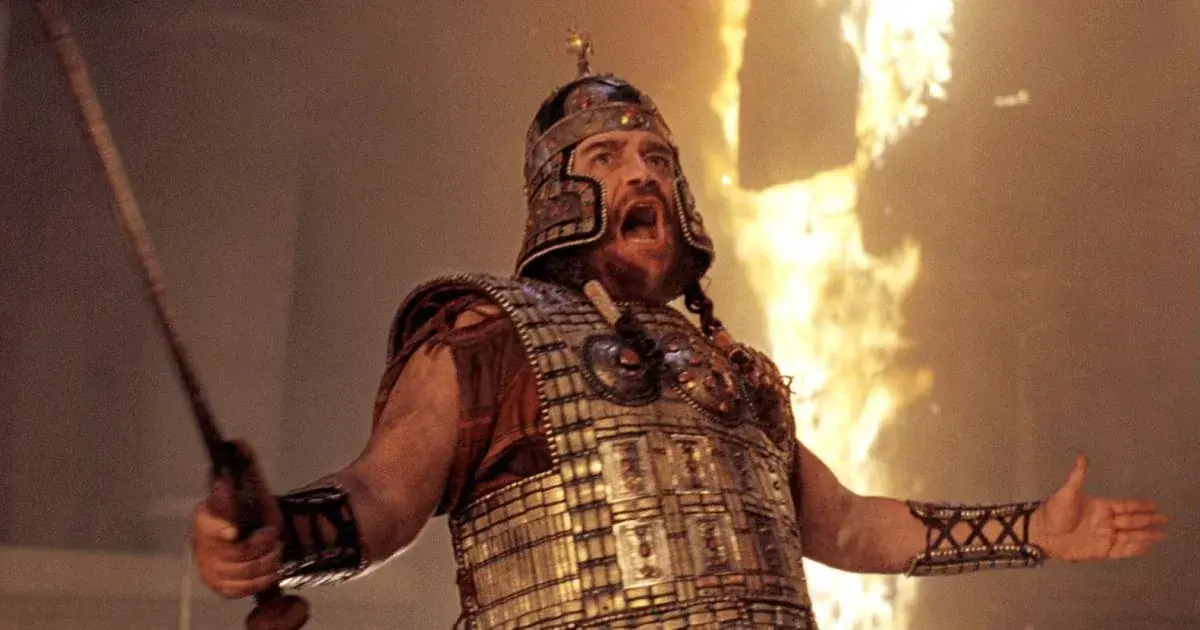
  3. 2004TroyCinema removes the gods from Achilles’s fate.
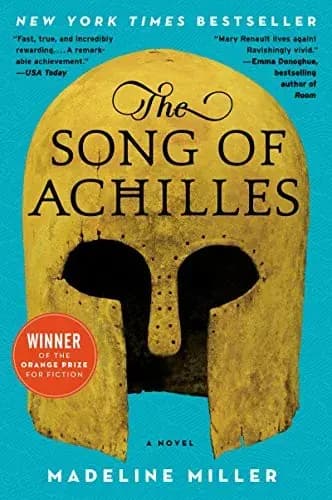
  4. 2011The Song of AchillesPatroclus narrates love and loss.
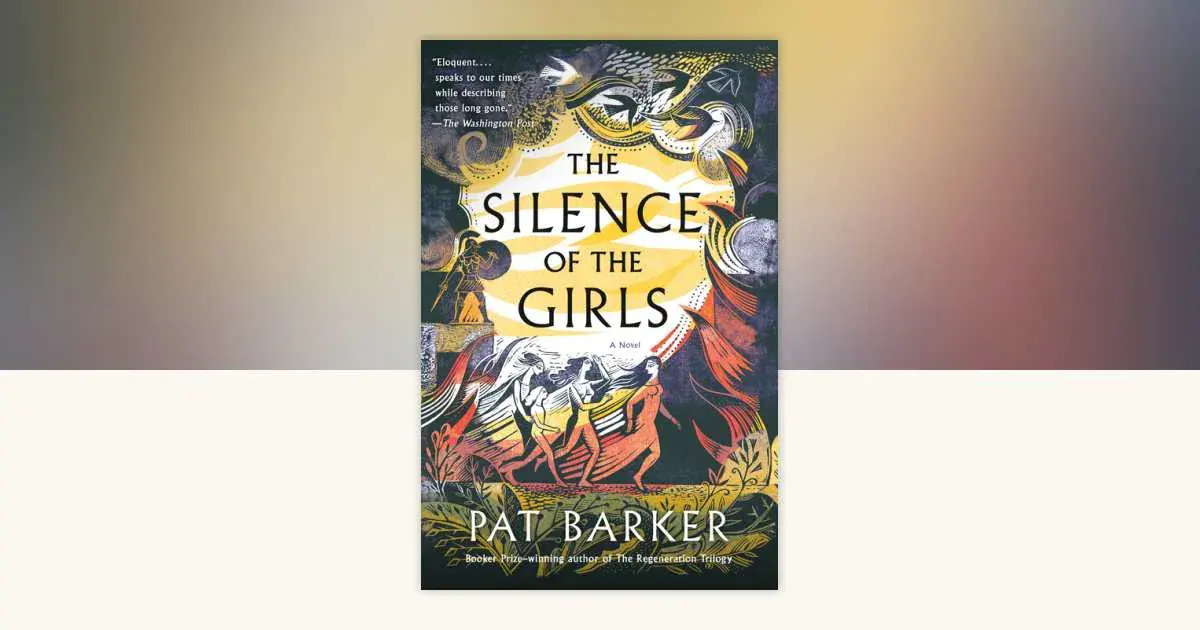
  5. 2018The Silence of the GirlsBriseis looks back at heroic war.
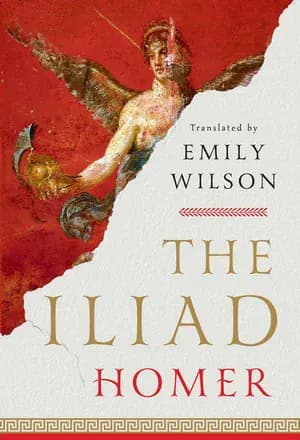
  6. 2023The IliadEmily Wilson translates the epic’s speed and violence anew.
01

Selected bibliography

Ancient epic & drama

02 works
02

Selected bibliography

Modern literary retellings

02 works
03

Selected bibliography

Translation & screen

02 works

When modern book covers or publicity images are shown, they appear at small scale for identification and criticism; copyright remains with the named rights holders. Public-domain context images are explicitly labeled.

Sources and documentation

Primary texts, scholarship, and catalogue records.

Dates follow conventional scholarly ranges. Cover thumbnails identify modern editions; they do not represent the original material form of an ancient text. Links lead to university archives, publishers, and museum catalogues.

Ancient source

3
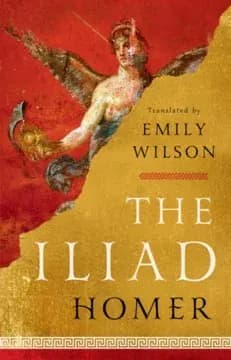
  1. Hardcover of Emily Wilson's translation of the IliadW. W. Norton edition
    Iliad↗

    Homeric tradition · late 8th–early 7th century BCE

    The principal surviving ancient source for Achilles’s anger, withdrawal, Patroclus, Hector, Priam, and the choice of glory.
    Edition shownEmily Wilson translation · W. W. Norton, 2023
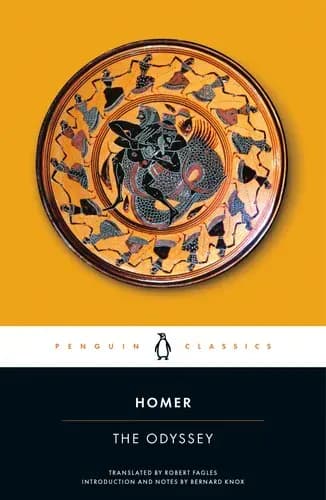
  2. Cover of Robert Fagles's Penguin Classics translation of the OdysseyPenguin Classics edition
    Odyssey, Book 11↗

    Homeric tradition · late 8th–early 7th century BCE

    Achilles’s shade tests the relationship between the glory he chose and the life he lost.
    Edition shownRobert Fagles translation · Penguin Classics, 1997
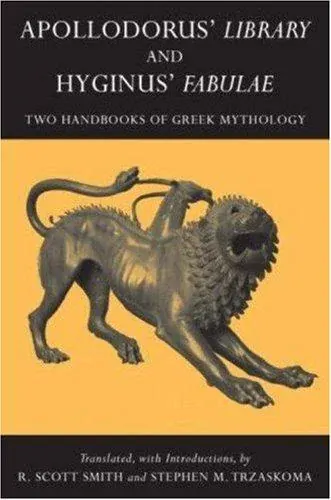
  3. Cover of Apollodorus' Library and Hyginus' FabulaeHackett edition
    Library of Greek Mythology, Epitome 3↗

    Pseudo-Apollodorus · 1st–2nd century CE

    A later synthesis for parentage, Skyros, Neoptolemus, death traditions, and the wider Trojan cycle.
    Edition shownSmith and Trzaskoma translation · Hackett, 2007

Museum research

1
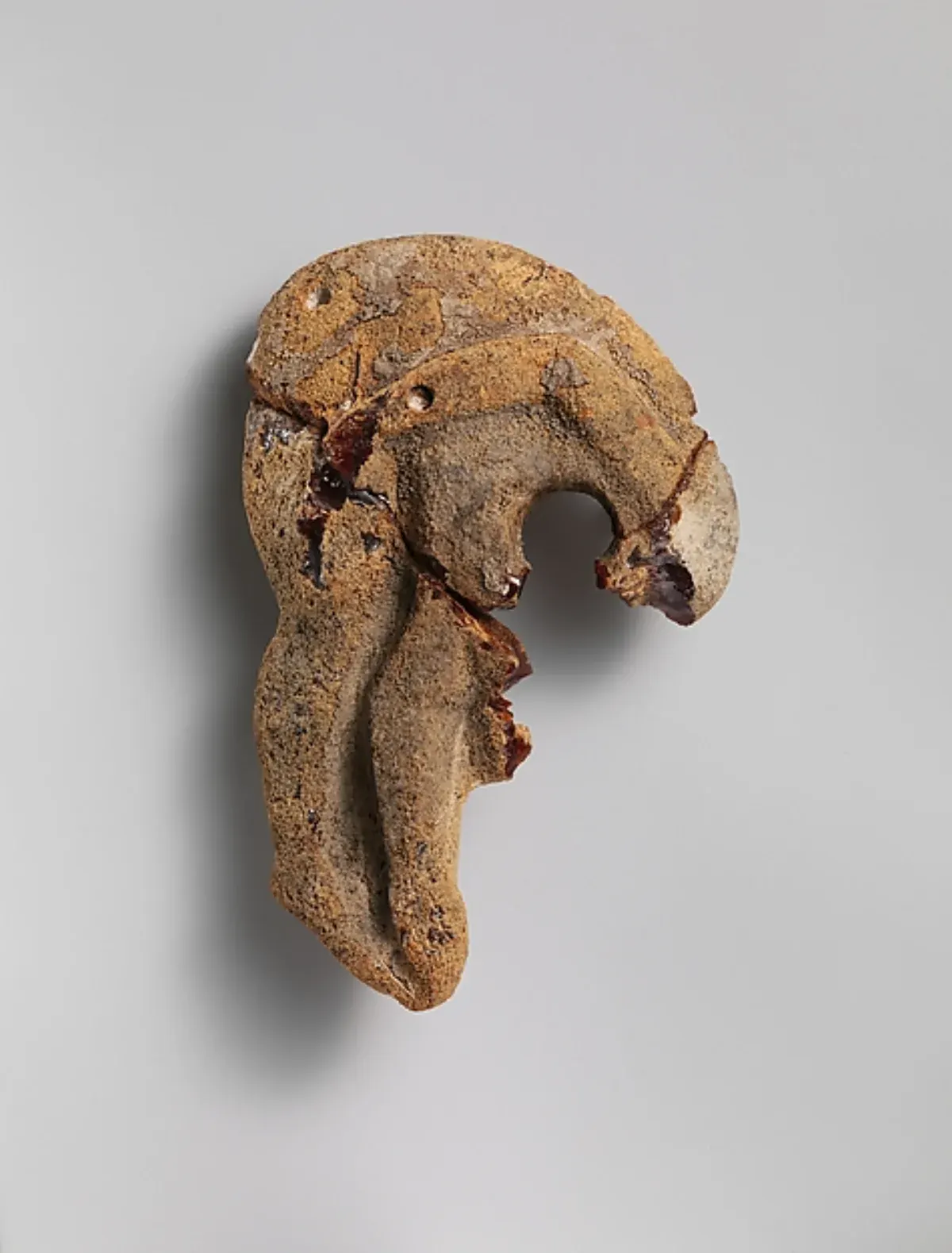
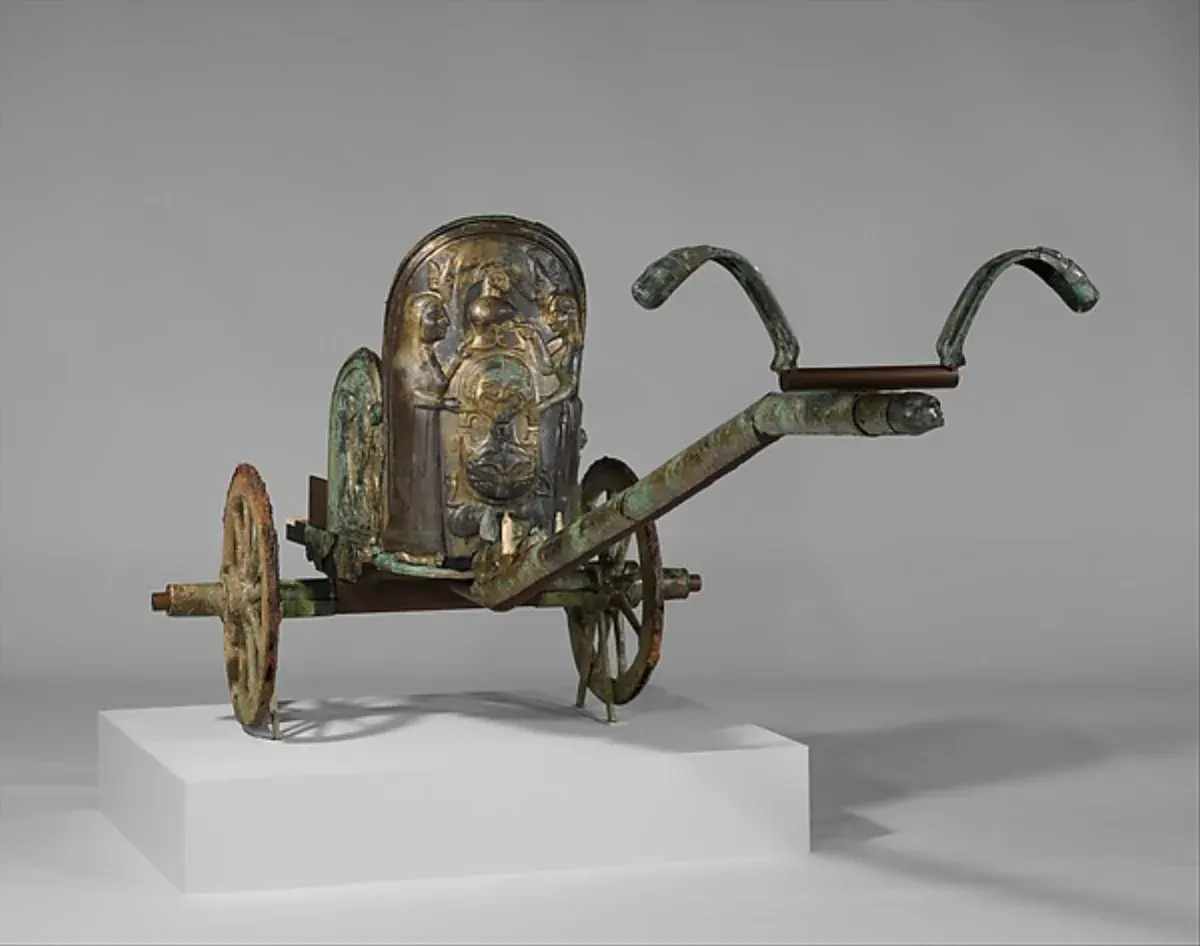
  1. Etruscan bronze chariot with Achilles and Thetis scenesThe Met Open Access
    Bronze chariot inlaid with ivory↗

    The Metropolitan Museum of Art · 2nd quarter of the 6th century BCE

    The Monteleone Chariot includes scenes connected with Achilles and Thetis, showing how visual narratives select and combine episodes differently from texts.
    Context objectMonteleone Chariot · Etruscan, ca. 575–550 BCE

Family questions

Questions about Achilles's family.

Was Achilles invulnerable except for his heel?

That is a famous later tradition, not a claim made by the Iliad. Homer’s Achilles is exceptionally powerful but fully mortal, and the poem’s emotional structure depends on his certain death.

Who are Achilles’s parents?

His father is Peleus, a mortal king, and his mother is Thetis, a sea-goddess. Their marriage and unequal mortality shape Achilles’s fate.

Were Achilles and Patroclus lovers?

The Iliad presents an extraordinarily intimate bond without using one modern identity label. Ancient and modern readers have interpreted the relationship differently; many later works explicitly make them lovers.

Does the Iliad tell the death of Achilles or the Trojan Horse?

No. The Iliad ends with Hector’s funeral. Achilles’s death, the wooden horse, and Troy’s fall belong to other ancient traditions and later retellings.